THE ADVENTURE COLLECTIVE® · Independent discovery and booking for outdoor travel

See Phuket’s iconic coastline, the 45‑meter Big Buddha and Wat Chalong, then finish at an ethical elephant sanctuary for a hands-off educational encounter. This half- to full-day tour combines sweeping views, local history, and responsible wildlife interaction.
See Phuket’s iconic coastline, the 45‑meter Big Buddha and Wat Chalong, then finish at an ethical elephant sanctuary for a hands-off educational encounter. This half- to full-day tour combines sweeping views, local history, and responsible wildlife interaction.
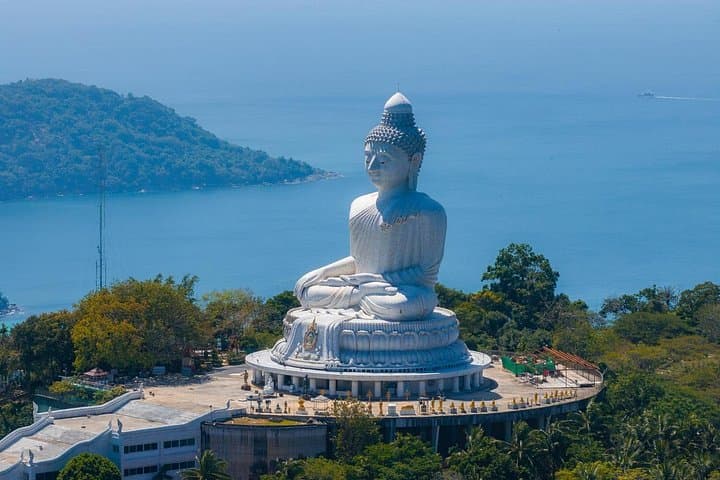
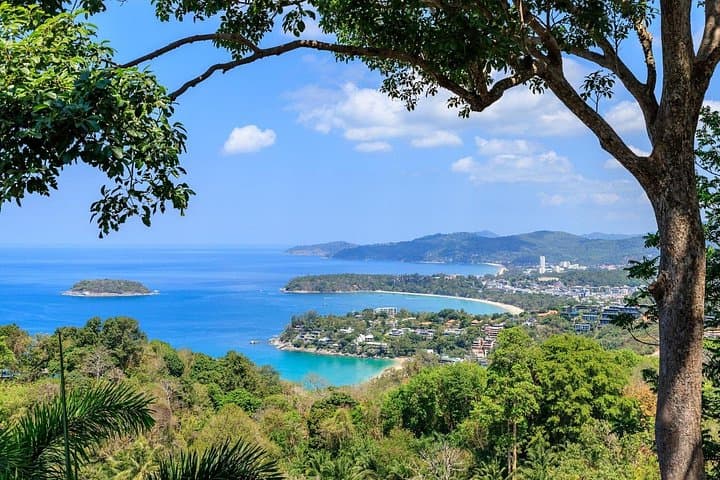
Morning light lifts off the Andaman Sea as a minivan climbs Nakkerd Hills and the island’s contours open into the famous three-bay panorama at Karon Viewpoint. Salt and sun meet the stone steps leading up to the 45‑meter Big Buddha, where white marble faces the horizon and the island’s geology — ancient granite and younger limestone — drops toward turquoise bays below.
Verified experiences and guided adventures in the surrounding area.
Operated by MY Holiday Centre · Phuket, Phuket
Morning light lifts off the Andaman Sea as a minivan climbs Nakkerd Hills and the island’s contours open into the famous three-bay panorama at Karon Viewpoint. Salt and sun meet the stone steps leading up to the 45‑meter Big Buddha, where white marble faces the horizon and the island’s geology — ancient granite and younger limestone — drops toward turquoise bays below.
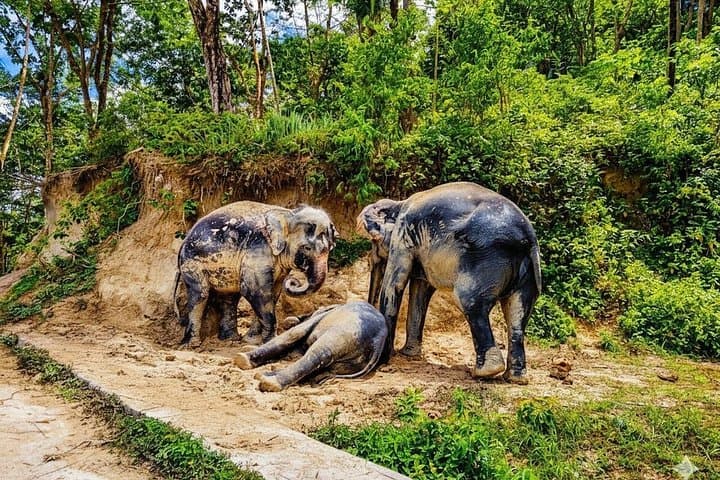
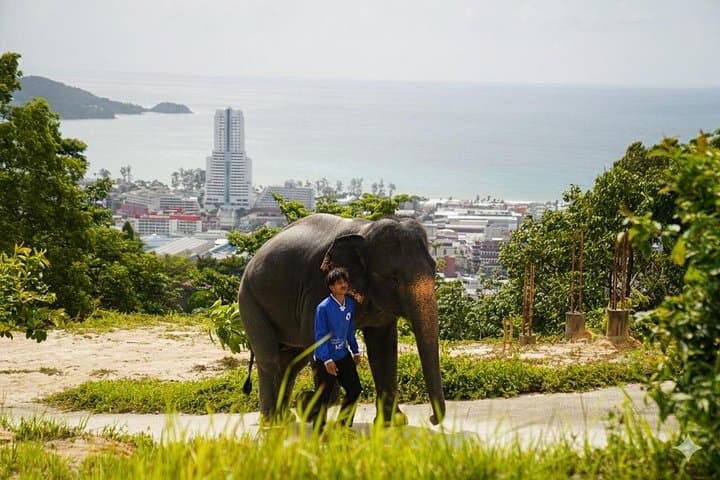
The route threads cultural and natural history: Wat Chalong’s gilded chedis mark centuries of Buddhist practice and Chinese-Thai community life; Phuket’s 19th–20th century tin trade and immigrant labor shaped the island’s Sino-Portuguese neighborhoods. The day finishes at an ethical elephant sanctuary where encounters are hands-off or food-prep based, designed to teach elephant care rather than performance.
Expect easy walking (short paved stairs at viewpoints, flat temple courtyards, and gentle dirt tracks at the sanctuary) and a schedule that typically lasts three to six hours with hotel pickup. Dress respectfully for temples: shoulders and knees covered; bring sun protection and a refillable water bottle for tropical heat. Photography is allowed but follow guides’ rules at the sanctuary — no riding, no chaining, and keep distance during feeding and bathing routines.
Best visited in the morning to avoid midday heat and afternoon showers in monsoon season. Guides often combine transport and interpretation, so participants get cultural context without long hikes. The tour pairs scenic island overlooks with meaningful wildlife education, offering an accessible, grounded way to experience both Phuket’s landscapes and its living heritage.
No—this tour visits an ethical sanctuary that focuses on observation, feeding and short guided walks rather than riding.
Yes—most bookings include hotel pickup within central Phuket zones; confirm your pickup point when booking.
Entrance is typically included on guided tours, but modest donations at temples are appreciated and sometimes customary.
Yes—this is family-friendly, but infant seats and child-appropriate behavior around animals are required; check booking options for specifics.
MY Holiday Centre operates guided outdoor trips and adventures with an emphasis on safety, stewardship, and memorable experiences.
Morning light lifts off the Andaman Sea as a minivan climbs Nakkerd Hills and the island’s contours open into the famous three-bay panorama at Karon Viewpoint. Salt and sun meet the stone steps leading up to the 45‑meter Big Buddha, where white marble faces the horizon and the island’s geology — ancient granite and younger limestone — drops toward turquoise bays below.
Morning light lifts off the Andaman Sea as a minivan climbs Nakkerd Hills and the island’s contours open into the famous three-bay panorama at Karon Viewpoint. Salt and sun meet the stone steps leading up to the 45‑meter Big Buddha, where white marble faces the horizon and the island’s geology — ancient granite and younger limestone — drops toward turquoise bays below.
The route threads cultural and natural history: Wat Chalong’s gilded chedis mark centuries of Buddhist practice and Chinese-Thai community life; Phuket’s 19th–20th century tin trade and immigrant labor shaped the island’s Sino-Portuguese neighborhoods. The day finishes at an ethical elephant sanctuary where encounters are hands-off or food-prep based, designed to teach elephant care rather than performance.
Expect easy walking (short paved stairs at viewpoints, flat temple courtyards, and gentle dirt tracks at the sanctuary) and a schedule that typically lasts three to six hours with hotel pickup. Dress respectfully for temples: shoulders and knees covered; bring sun protection and a refillable water bottle for tropical heat. Photography is allowed but follow guides’ rules at the sanctuary — no riding, no chaining, and keep distance during feeding and bathing routines.
Best visited in the morning to avoid midday heat and afternoon showers in monsoon season. Guides often combine transport and interpretation, so participants get cultural context without long hikes. The tour pairs scenic island overlooks with meaningful wildlife education, offering an accessible, grounded way to experience both Phuket’s landscapes and its living heritage.