THE ADVENTURE COLLECTIVE® · Independent discovery and booking for outdoor travel

Walk a busy Phuket market, choose fresh ingredients with a local guide, then learn to cook four classic Thai dishes and basic fruit carving. This half-day workshop pairs hands-on technique with cultural context — ideal for food-minded travelers who want practical skills and local flavor.
Walk a busy Phuket market, choose fresh ingredients with a local guide, then learn to cook four classic Thai dishes and basic fruit carving. This half-day workshop pairs hands-on technique with cultural context — ideal for food-minded travelers who want practical skills and local flavor.
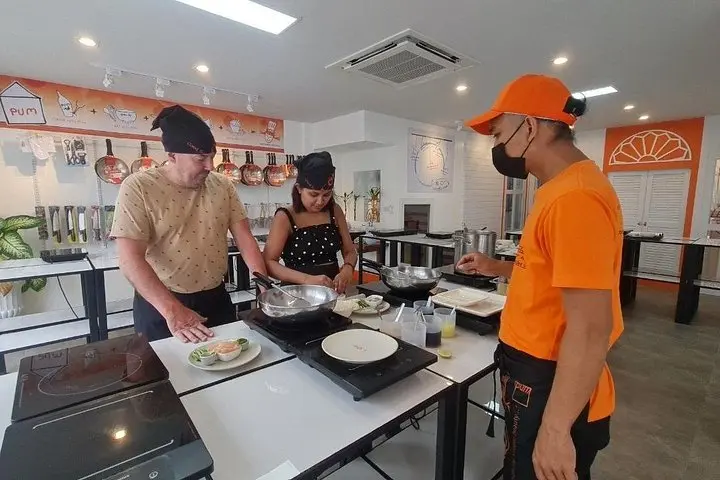
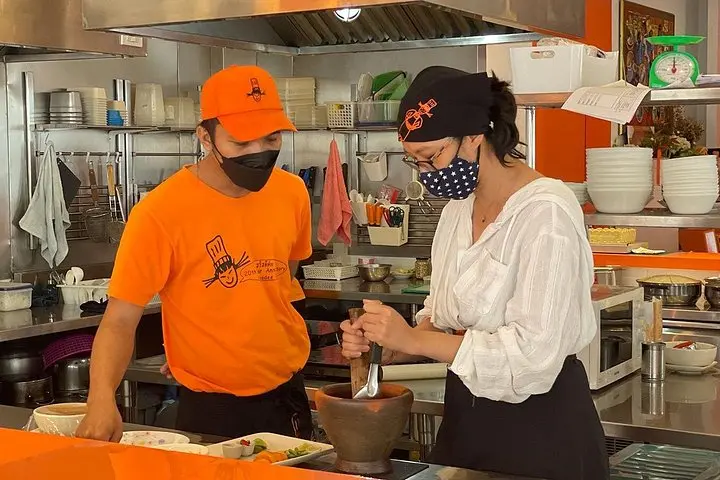
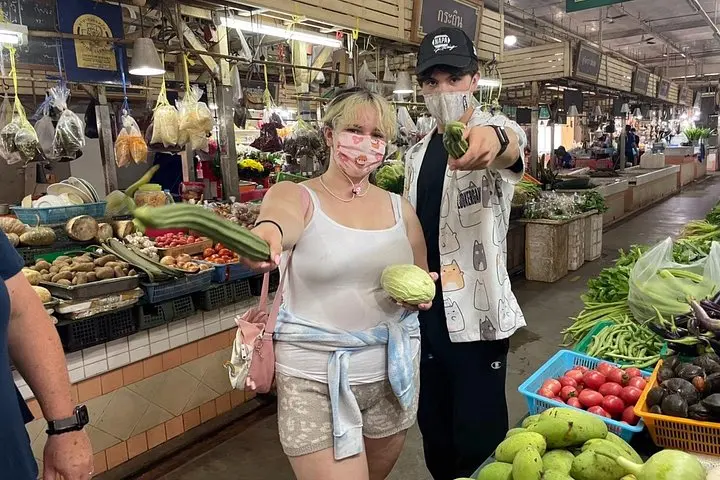
Morning light spills across baskets of chilies and kaffir lime leaves as you step into a Phuket market — the air humid with fish sauce, citrus and hot oil. A local guide leads the way, calling out names of herbs and pointing to rows of whole prawns and tropical fruit; later you move to a shaded cooking station where a chef demonstrates balance — sweet, salty, sour, spicy — before you replicate it over a flaming wok.
Verified experiences and guided adventures in the surrounding area.
Operated by Oh-Hoo · Phuket, Phuket
Morning light spills across baskets of chilies and kaffir lime leaves as you step into a Phuket market — the air humid with fish sauce, citrus and hot oil. A local guide leads the way, calling out names of herbs and pointing to rows of whole prawns and tropical fruit; later you move to a shaded cooking station where a chef demonstrates balance — sweet, salty, sour, spicy — before you replicate it over a flaming wok.
Phuket’s food reflects its history: Chinese tin-miner migrants, southern Malay spices, and island seafood traditions. The island’s granite hills and limestone shores shaped fishing villages and trade routes that fed this cuisine. Fruit carving is an old Thai court craft, once used to decorate royal tables and now taught as a practical art for presentation and technique.
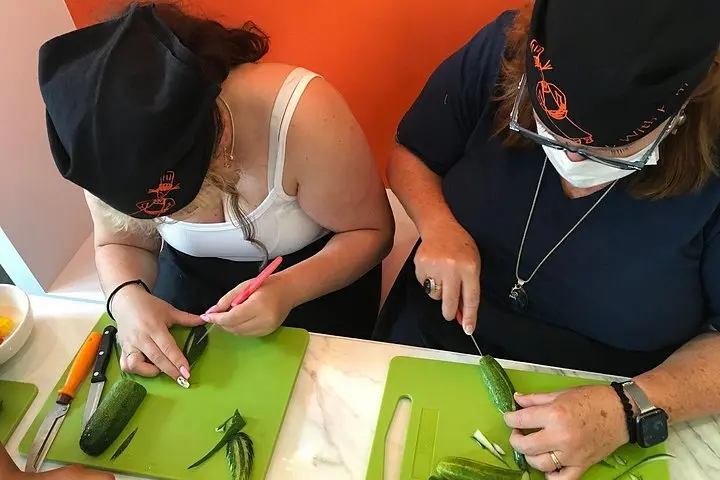
Expect a two-part rhythm: an early-market walk for ingredient selection and bargaining basics, then hands-on cooking of four dishes — usually a soup, curry, stir-fry and dessert — with step-by-step English instruction. You’ll learn basic fruit and vegetable carving, tool safety and selection, and leave with a recipe booklet and tasting portion.
Practical guidance: arrive hungry, wear closed-toe shoes for market surfaces, and plan for mornings when produce is freshest. The operator offers hotel pickup and vegetarian options; bring a small daypack for purchases, and consider cash for extras. This experience suits curious cooks who want local context as much as a good meal.
Yes — the tour offers pickup and drop-off from most Phuket hotels; confirm your pickup point when booking.
Yes — vegetarian and vegan menus are offered; indicate dietary restrictions during booking so the chef can prepare alternatives.
Children aged 6–11 can join but may be required to share a cooking station with an adult; check age rules when booking.
No — the class is designed for beginners and intermediate cooks; instructors teach basic knife and carving safety as part of the session.
Oh-Hoo operates guided outdoor trips and adventures with an emphasis on safety, stewardship, and memorable experiences.
Morning light spills across baskets of chilies and kaffir lime leaves as you step into a Phuket market — the air humid with fish sauce, citrus and hot oil. A local guide leads the way, calling out names of herbs and pointing to rows of whole prawns and tropical fruit; later you move to a shaded cooking station where a chef demonstrates balance — sweet, salty, sour, spicy — before you replicate it over a flaming wok.
Morning light spills across baskets of chilies and kaffir lime leaves as you step into a Phuket market — the air humid with fish sauce, citrus and hot oil. A local guide leads the way, calling out names of herbs and pointing to rows of whole prawns and tropical fruit; later you move to a shaded cooking station where a chef demonstrates balance — sweet, salty, sour, spicy — before you replicate it over a flaming wok.
Phuket’s food reflects its history: Chinese tin-miner migrants, southern Malay spices, and island seafood traditions. The island’s granite hills and limestone shores shaped fishing villages and trade routes that fed this cuisine. Fruit carving is an old Thai court craft, once used to decorate royal tables and now taught as a practical art for presentation and technique.
Expect a two-part rhythm: an early-market walk for ingredient selection and bargaining basics, then hands-on cooking of four dishes — usually a soup, curry, stir-fry and dessert — with step-by-step English instruction. You’ll learn basic fruit and vegetable carving, tool safety and selection, and leave with a recipe booklet and tasting portion.
Practical guidance: arrive hungry, wear closed-toe shoes for market surfaces, and plan for mornings when produce is freshest. The operator offers hotel pickup and vegetarian options; bring a small daypack for purchases, and consider cash for extras. This experience suits curious cooks who want local context as much as a good meal.