THE ADVENTURE COLLECTIVE® · Independent discovery and booking for outdoor travel

Fly over mangrove channels and test your balance on swinging bridges at Cape Panwa’s high-adrenaline zipline. Choose a full Xtreme course or a shorter program—both include transfers, certified gear, and expert guides.
Fly over mangrove channels and test your balance on swinging bridges at Cape Panwa’s high-adrenaline zipline. Choose a full Xtreme course or a shorter program—both include transfers, certified gear, and expert guides.
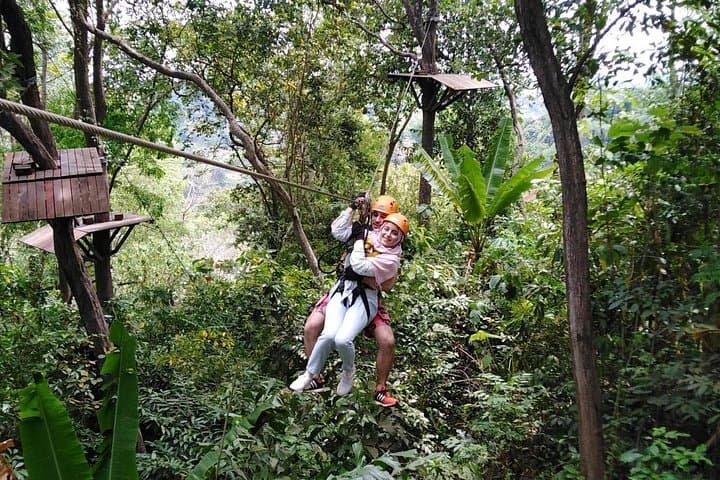
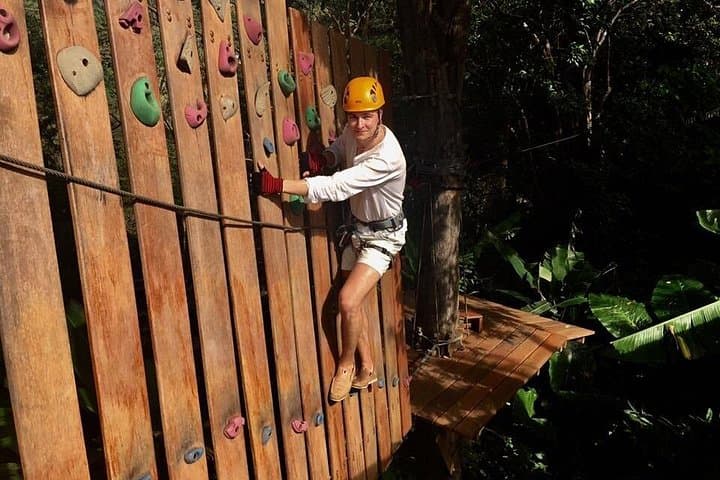
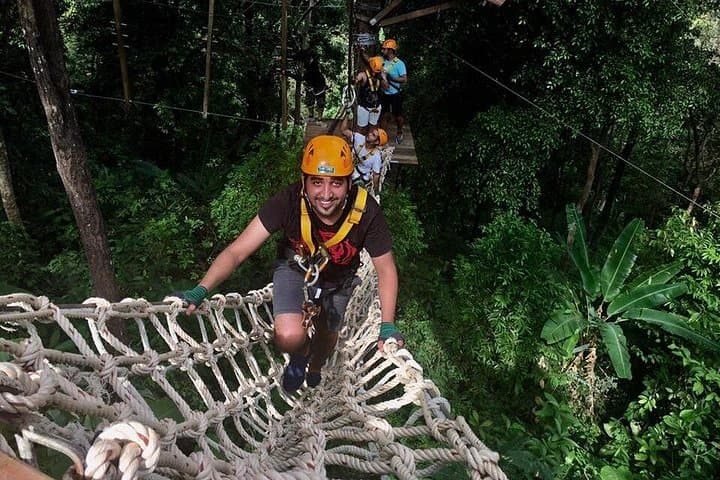
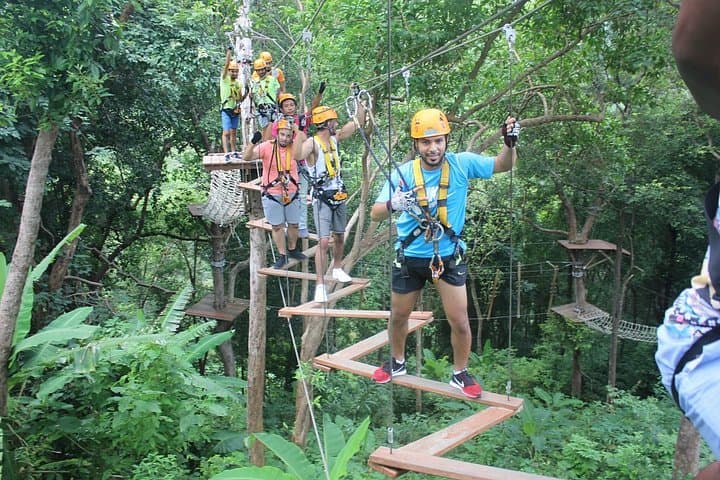
The first platform creaks under your feet and the rainforest exhales around you — humidity, green light, and the distant pulse of surf against Cape Panwa. A guide clips you in, counts through the safety checks, and for a moment the mangrove-lined coast and the riot of canopy below seem to hold their breath. Then you push off and the rainforest dares you forward: ziplines that stitch the hills to the shoreline, wobbling bridges that demand focus, and rope features that reward steady hands.
Verified experiences and guided adventures in the surrounding area.
Operated by Oh-Hoo · Phuket, Phuket Province
The first platform creaks under your feet and the rainforest exhales around you — humidity, green light, and the distant pulse of surf against Cape Panwa. A guide clips you in, counts through the safety checks, and for a moment the mangrove-lined coast and the riot of canopy below seem to hold their breath. Then you push off and the rainforest dares you forward: ziplines that stitch the hills to the shoreline, wobbling bridges that demand focus, and rope features that reward steady hands.
Phuket’s eastern headland of Cape Panwa is neither new nor accidental. The island’s geology—older granites overlain by pockets of limestone—created the ridges and sheltered bays that support the mangroves and dipterocarp forest you fly over. Historically, this corner of Phuket has been a seam between fishermen’s settlements and cultivated land; today the treetop course threads that local story into adventure tourism, offering coastal panoramas and a glimpse into coastal ecology.
The canopy here feels alive: kingfishers flash near mangrove channels, hermit crabs scuttle at low tide, and local guides will point out where fruit bats congregate after dusk. Culturally, zipline operators in Phuket work alongside village communities and have grown this site to be family-friendly—two programs let you choose pace and intensity. Program A is the full Xtreme route (42 stations) for thrill-seekers; Program B (21 stations) pares it back for a shorter, steadier experience.
Practical details matter: sessions run about 2 hours including briefing and transfers, certified harnesses and helmets are supplied, and guides run every element. Participants must be at least 6 years old; the maximum weight is 120 kg and those over 65 are advised against joining. Morning slots are cooler and often less crowded; afternoons carry more heat but later light for photographs.
Getting there is easy—round-trip transfer from major Phuket hubs is included—but punctuality matters: pickup windows are firm and the operator may consider late arrivals a no-show. Dress for movement: flat-soled sneakers, breathable layers, sunscreen, and a small daypack for water and a camera. Expect uneven platforms and wet-weather slickness during the monsoon; the company cancels for unsafe weather and will refund or reschedule.
If you want a full day in Phuket, combine the zipline with a visit to Phuket Town’s old quarter or the nearby aquarium for a contrast between high-adrenaline canopy and low-key local life. When you step off the last platform, adrenaline and perspective mix — you’ve moved through the island’s vertical neighborhood, tasted the coastline from above, and left with a clear sense of why Cape Panwa rewards a bit of courage.
No — guides provide a safety briefing and supervise every element; both beginner and advanced participants are accommodated.
Participants must be at least 6 years old and weigh no more than 120 kg.
Yes — free roundtrip transfers are included from many Phuket areas (Patong, Karon, Kata, Phuket Town, Rawai, Panwa, etc.).
Tours are cancelled for unsafe weather; you’ll be offered an alternative date or a full refund per the cancellation policy.
No — the course is not recommended for pregnant travelers due to physical risks and safety restraints.
About 2 hours total, including safety briefing, harnessing, and the treetop circuit; larger groups may take longer.
Oh-Hoo operates guided outdoor trips and adventures with an emphasis on safety, stewardship, and memorable experiences.
The first platform creaks under your feet and the rainforest exhales around you — humidity, green light, and the distant pulse of surf against Cape Panwa. A guide clips you in, counts through the safety checks, and for a moment the mangrove-lined coast and the riot of canopy below seem to hold their breath. Then you push off and the rainforest dares you forward: ziplines that stitch the hills to the shoreline, wobbling bridges that demand focus, and rope features that reward steady hands.
The first platform creaks under your feet and the rainforest exhales around you — humidity, green light, and the distant pulse of surf against Cape Panwa. A guide clips you in, counts through the safety checks, and for a moment the mangrove-lined coast and the riot of canopy below seem to hold their breath. Then you push off and the rainforest dares you forward: ziplines that stitch the hills to the shoreline, wobbling bridges that demand focus, and rope features that reward steady hands.
Phuket’s eastern headland of Cape Panwa is neither new nor accidental. The island’s geology—older granites overlain by pockets of limestone—created the ridges and sheltered bays that support the mangroves and dipterocarp forest you fly over. Historically, this corner of Phuket has been a seam between fishermen’s settlements and cultivated land; today the treetop course threads that local story into adventure tourism, offering coastal panoramas and a glimpse into coastal ecology.
The canopy here feels alive: kingfishers flash near mangrove channels, hermit crabs scuttle at low tide, and local guides will point out where fruit bats congregate after dusk. Culturally, zipline operators in Phuket work alongside village communities and have grown this site to be family-friendly—two programs let you choose pace and intensity. Program A is the full Xtreme route (42 stations) for thrill-seekers; Program B (21 stations) pares it back for a shorter, steadier experience.
Practical details matter: sessions run about 2 hours including briefing and transfers, certified harnesses and helmets are supplied, and guides run every element. Participants must be at least 6 years old; the maximum weight is 120 kg and those over 65 are advised against joining. Morning slots are cooler and often less crowded; afternoons carry more heat but later light for photographs.
Getting there is easy—round-trip transfer from major Phuket hubs is included—but punctuality matters: pickup windows are firm and the operator may consider late arrivals a no-show. Dress for movement: flat-soled sneakers, breathable layers, sunscreen, and a small daypack for water and a camera. Expect uneven platforms and wet-weather slickness during the monsoon; the company cancels for unsafe weather and will refund or reschedule.
If you want a full day in Phuket, combine the zipline with a visit to Phuket Town’s old quarter or the nearby aquarium for a contrast between high-adrenaline canopy and low-key local life. When you step off the last platform, adrenaline and perspective mix — you’ve moved through the island’s vertical neighborhood, tasted the coastline from above, and left with a clear sense of why Cape Panwa rewards a bit of courage.