THE ADVENTURE COLLECTIVE® · Independent discovery and booking for outdoor travel

Trade the beach for hilltop views and gilded halls on a private, six‑hour temple circuit through Phuket. Visit Big Buddha, Wat Chalong and Wat Khao Rang with a guide who explains history, ritual and local meaning.
Trade the beach for hilltop views and gilded halls on a private, six‑hour temple circuit through Phuket. Visit Big Buddha, Wat Chalong and Wat Khao Rang with a guide who explains history, ritual and local meaning.
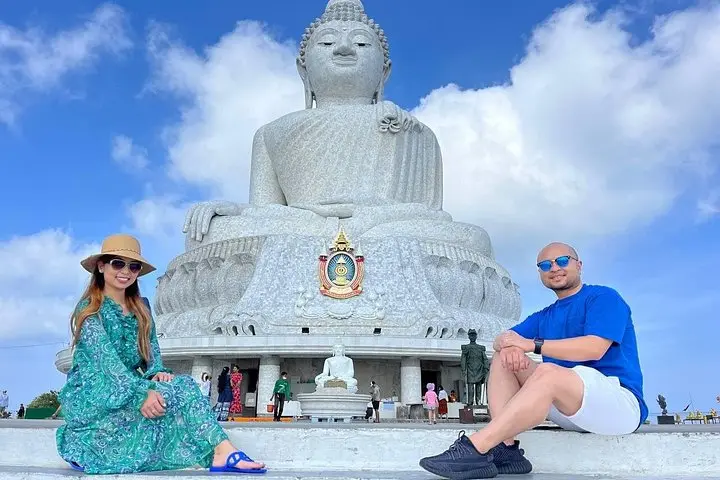
You arrive at the shoulder of Nakkerd Hill as the island’s air warms and a 45‑meter white Buddha watches over the coast — wind pushing the palms, tourists pausing for the view. From this high perch the city of Phuket unwinds below and the Andaman Sea dares you to look farther; the statue’s stillness cuts through the island bustle.
Verified experiences and guided adventures in the surrounding area.
Operated by ForeverVacation Thailand · Phuket Town, Phuket
You arrive at the shoulder of Nakkerd Hill as the island’s air warms and a 45‑meter white Buddha watches over the coast — wind pushing the palms, tourists pausing for the view. From this high perch the city of Phuket unwinds below and the Andaman Sea dares you to look farther; the statue’s stillness cuts through the island bustle.
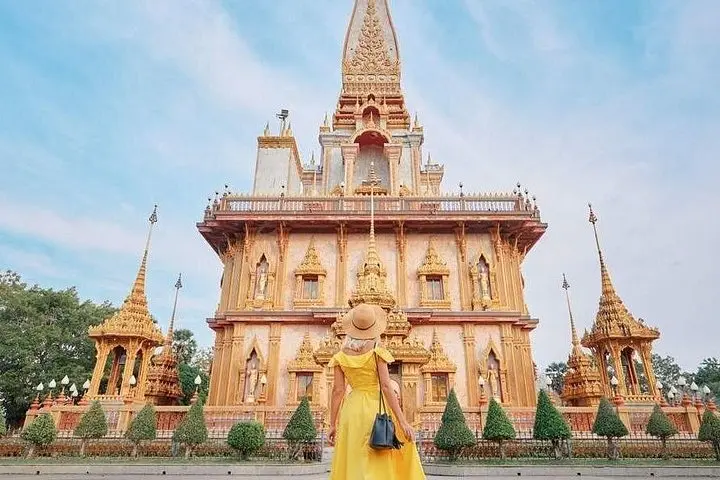
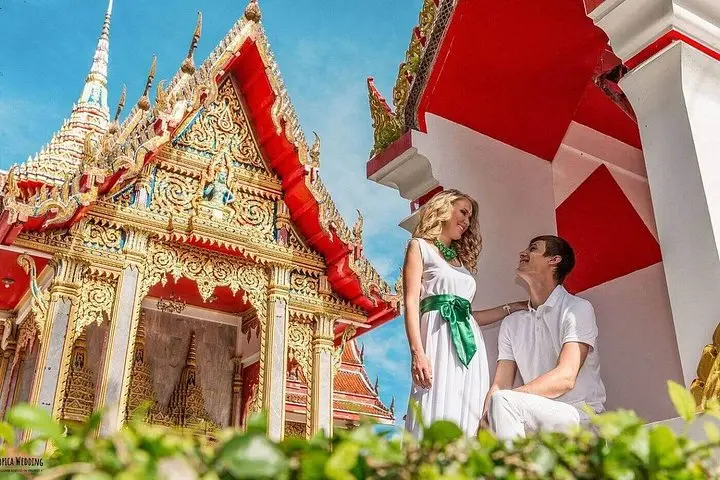
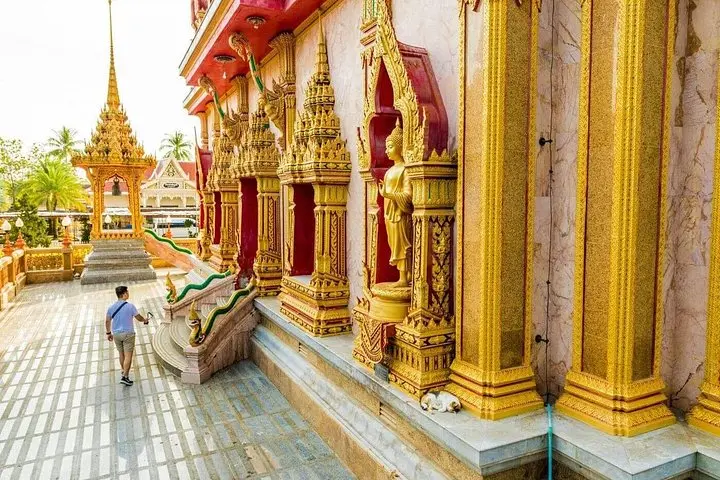
The route links three of Phuket’s most visited religious sites. Big Buddha — built in the early 2000s from concrete faced in Burmese white marble — offers broad panoramas and a modern devotional presence. Wat Chalong (Wat Chaiyathararam) carries deeper local memory: its ornate chedis and lacquered woodwork honor revered monks whose herbal and healing work made the temple a community focal point. Wat Khao Rang sits amid Rang Hill’s gardens, known for its large golden sitting Buddha and gate carvings drawn from Thai myth.
Geology here is coastal granite and lateritic soils; temples perch where builders could claim views. Culturally, these sites remain active places of worship — expect monks in saffron, offerings, and ritual bells.
Practical guidance: bring lightweight, modest clothing that covers shoulders and knees (sarongs are commonly available for rent), sun protection, and a small bottle of water. Plan six hours for a relaxed, private circuit that includes driving time between sites; mornings or late afternoons are cooler and less crowded. Wear comfortable shoes for temple steps, carry small bills for temple donations, and respect photography rules inside shrine halls. A private guide simplifies logistics and provides context, letting you move beyond postcards into the history and living customs of Phuket’s temple trail.
Big Buddha and the major temples typically accept donations rather than fixed entrance fees; some sites may request a small charge for maintenance or viewing certain exhibits.
Accessibility varies: Wat Chalong has level areas but some steps; Big Buddha’s hilltop approach includes slopes and stairs — contact the operator ahead for specific assistance options.
Photography is allowed in many outdoor areas, but inner sanctums and relic displays may prohibit flash or photography — follow signage and guide instructions.
Tipping is not mandatory but appreciated; small bills for the guide and driver are customary if service is good.
ForeverVacation Thailand operates guided outdoor trips and adventures with an emphasis on safety, stewardship, and memorable experiences.
You arrive at the shoulder of Nakkerd Hill as the island’s air warms and a 45‑meter white Buddha watches over the coast — wind pushing the palms, tourists pausing for the view. From this high perch the city of Phuket unwinds below and the Andaman Sea dares you to look farther; the statue’s stillness cuts through the island bustle.
You arrive at the shoulder of Nakkerd Hill as the island’s air warms and a 45‑meter white Buddha watches over the coast — wind pushing the palms, tourists pausing for the view. From this high perch the city of Phuket unwinds below and the Andaman Sea dares you to look farther; the statue’s stillness cuts through the island bustle.
The route links three of Phuket’s most visited religious sites. Big Buddha — built in the early 2000s from concrete faced in Burmese white marble — offers broad panoramas and a modern devotional presence. Wat Chalong (Wat Chaiyathararam) carries deeper local memory: its ornate chedis and lacquered woodwork honor revered monks whose herbal and healing work made the temple a community focal point. Wat Khao Rang sits amid Rang Hill’s gardens, known for its large golden sitting Buddha and gate carvings drawn from Thai myth.
Geology here is coastal granite and lateritic soils; temples perch where builders could claim views. Culturally, these sites remain active places of worship — expect monks in saffron, offerings, and ritual bells.
Practical guidance: bring lightweight, modest clothing that covers shoulders and knees (sarongs are commonly available for rent), sun protection, and a small bottle of water. Plan six hours for a relaxed, private circuit that includes driving time between sites; mornings or late afternoons are cooler and less crowded. Wear comfortable shoes for temple steps, carry small bills for temple donations, and respect photography rules inside shrine halls. A private guide simplifies logistics and provides context, letting you move beyond postcards into the history and living customs of Phuket’s temple trail.