THE ADVENTURE COLLECTIVE® · Independent discovery and booking for outdoor travel

Shop a lively Phuket market, learn knife and wok technique from a certified Thai chef, then eat the meal you cooked. This four-hour class blends hands-on instruction with local culinary insights—perfect for food-curious travelers.
Shop a lively Phuket market, learn knife and wok technique from a certified Thai chef, then eat the meal you cooked. This four-hour class blends hands-on instruction with local culinary insights—perfect for food-curious travelers.
You step off the minivan into the humid Phuket air and follow a ribbon of vendors into a market that smells of citrus, galangal and fried batter. The market is loud, the colors sharp—green kaffir leaves stacked beside orange chilies—then the scene shifts uphill to a small academy where a mountain view opens and steam begins to rise from woks.
Verified experiences and guided adventures in the surrounding area.
Operated by Oh-Hoo · Phuket Town, Phuket
You step off the minivan into the humid Phuket air and follow a ribbon of vendors into a market that smells of citrus, galangal and fried batter. The market is loud, the colors sharp—green kaffir leaves stacked beside orange chilies—then the scene shifts uphill to a small academy where a mountain view opens and steam begins to rise from woks.
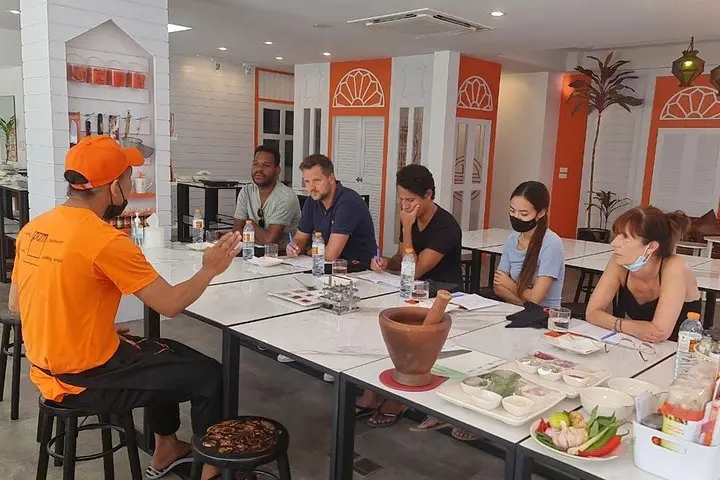
Phuket’s food sits at a crossroads of Malay, Chinese and Siamese influences: curries enriched by coconut, stir-fries that sing of soy and fresh seafood pulled from Andaman waters. The market walk before the lesson teaches you to read labels by touch—how a shrimp should look, what a turmeric root feels like—then a certified local chef walks you through knife technique, heat control and the balance of sweet, sour, salty and hot.
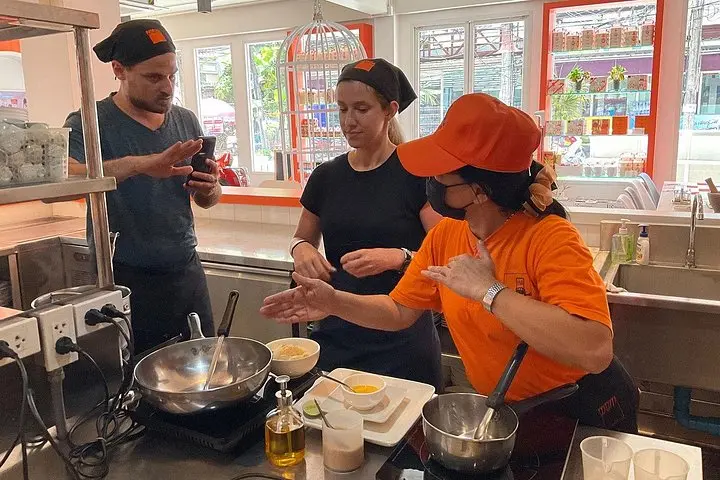
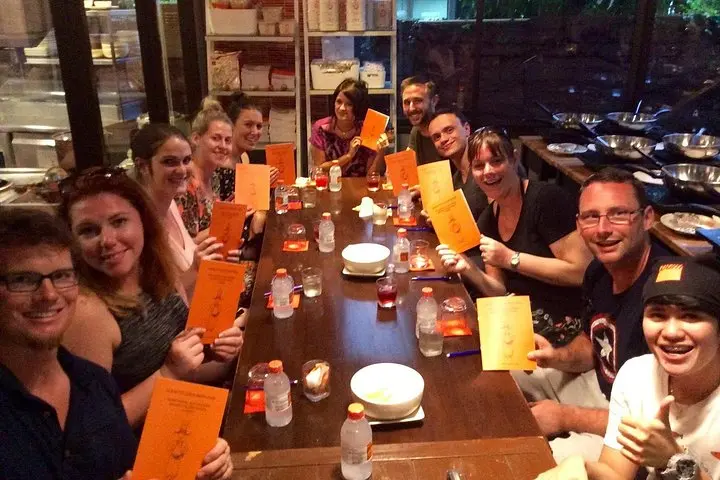
Lessons usually last about two hours in a fully equipped kitchen where students choose from classic dishes—Massaman, Pad Thai, Tom Yum—then enjoy the results at a communal table. The experience is practical: recipes and a certificate go home with you, as does a new respect for Thai pantry staples.
Practical tips: arrive hydrated and ready to stand for short periods, wear closed-toe shoes, and bring a small bag for market purchases. Expect instruction in English or Chinese, variable ingredient availability, and a hands-on pace that suits beginners and curious food-lovers alike. This class is less a high-adrenaline adventure than an intimate cultural immersion—one that returns you home with skills and flavors to recreate.
No. The class is designed for beginners and teaches basic knife skills, seasoning and wok techniques.
Pickup and return transfers are typically provided from central Phuket accommodations; confirm during booking.
Yes—vegetarian, pescatarian and common allergy requests can usually be handled if you notify the operator ahead of time.
Yes. Recipes for the dishes you prepare are provided so you can recreate them after your trip.
Oh-Hoo operates guided outdoor trips and adventures with an emphasis on safety, stewardship, and memorable experiences.
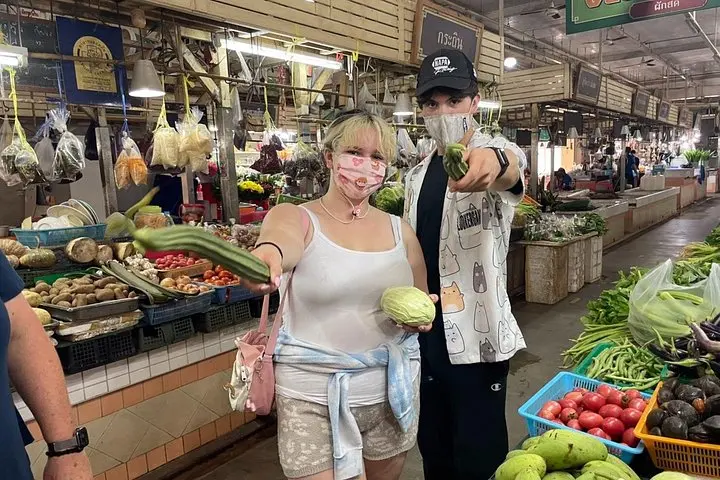
You step off the minivan into the humid Phuket air and follow a ribbon of vendors into a market that smells of citrus, galangal and fried batter. The market is loud, the colors sharp—green kaffir leaves stacked beside orange chilies—then the scene shifts uphill to a small academy where a mountain view opens and steam begins to rise from woks.
You step off the minivan into the humid Phuket air and follow a ribbon of vendors into a market that smells of citrus, galangal and fried batter. The market is loud, the colors sharp—green kaffir leaves stacked beside orange chilies—then the scene shifts uphill to a small academy where a mountain view opens and steam begins to rise from woks.
Phuket’s food sits at a crossroads of Malay, Chinese and Siamese influences: curries enriched by coconut, stir-fries that sing of soy and fresh seafood pulled from Andaman waters. The market walk before the lesson teaches you to read labels by touch—how a shrimp should look, what a turmeric root feels like—then a certified local chef walks you through knife technique, heat control and the balance of sweet, sour, salty and hot.
Lessons usually last about two hours in a fully equipped kitchen where students choose from classic dishes—Massaman, Pad Thai, Tom Yum—then enjoy the results at a communal table. The experience is practical: recipes and a certificate go home with you, as does a new respect for Thai pantry staples.
Practical tips: arrive hydrated and ready to stand for short periods, wear closed-toe shoes, and bring a small bag for market purchases. Expect instruction in English or Chinese, variable ingredient availability, and a hands-on pace that suits beginners and curious food-lovers alike. This class is less a high-adrenaline adventure than an intimate cultural immersion—one that returns you home with skills and flavors to recreate.