THE ADVENTURE COLLECTIVE® · Independent discovery and booking for outdoor travel

Spend a full day exploring Phang Nga Bay by longtail boat and sea canoe—paddle through mangrove caves, visit the iconic James Bond Island, and taste life on Koh Panyee. This practical guide explains what to expect, how to prepare, and local notes for a smooth trip.
Spend a full day exploring Phang Nga Bay by longtail boat and sea canoe—paddle through mangrove caves, visit the iconic James Bond Island, and taste life on Koh Panyee. This practical guide explains what to expect, how to prepare, and local notes for a smooth trip.
A longtail boat slips away from Phuket’s shore before sunrise, the engine ticking like a steady heart as limestone towers appear in the mist.
Verified experiences and guided adventures in the surrounding area.
Operated by Oh-Hoo · Phuket, Phuket Province
A longtail boat slips away from Phuket’s shore before sunrise, the engine ticking like a steady heart as limestone towers appear in the mist.
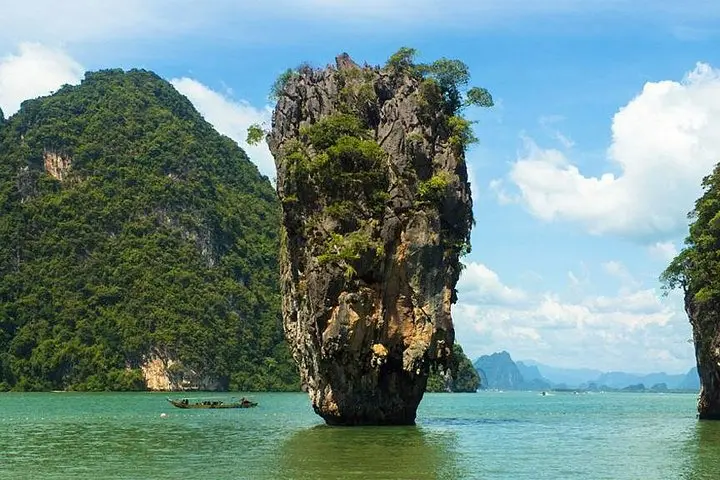
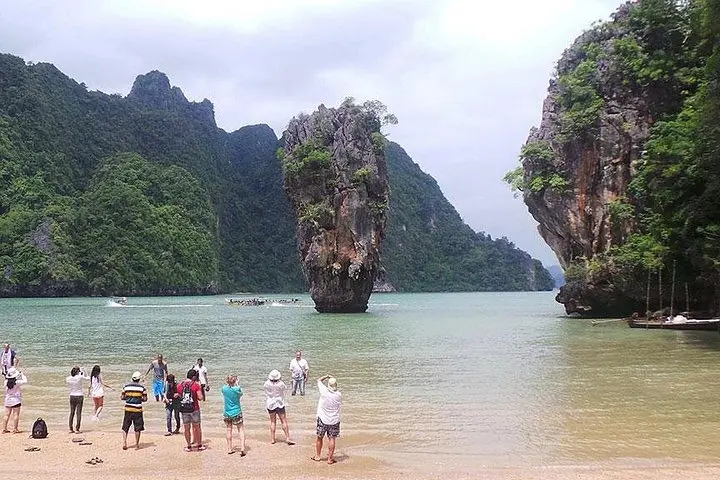
Paddlers transfer to sea canoes and thread narrow mangrove channels where water laps at carved cave mouths and karst spires loom like old guardians daring you closer. The tour moves between cinematic cliffs—Khao Phing Kan and the famous Ko Tapu ("James Bond Island")—then eases into Koh Panyee’s stilted Muslim fishing village for lunch.
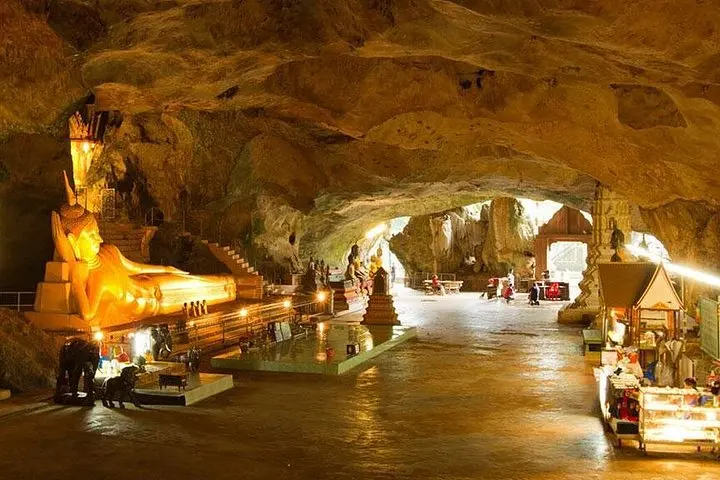
Geologically, Phang Nga Bay is a drowned karst landscape: limestone eroded into sheer cliffs, caves and narrow throat passages. Culturally, Koh Panyee reflects generations living on the water, while nearby Suwan Khuha (Monkey Cave) houses a reclining Buddha within a cavern that once sheltered fishermen.
Expect a full-day outing (8–9 hours) with longtail transfers, guided sea canoeing around shallow caves, and walking time at island stops. The guide will point out stalactite formations and local fishing methods; tide and wind can change paddling difficulty quickly, so timing and waterproof gear matter.
Practical tips: bring reef-safe sunscreen, a dry bag and water shoes; secure cameras and motion-sensitive items; and prepare for sun and occasional chop. This is a social, moderately paced water experience—suitable for most people in reasonable health but not recommended for those with serious back or heart issues. Travel light, respect local customs in fishing villages, and leave no trace—Phang Nga’s limestone keeps its scars long after we’re gone.
Expect an 8–9 hour day including round‑trip transfers from central Phuket, longtail boat transfers, guided sea canoeing, lunch at Koh Panyee, and visits to James Bond Island and Suwan Khuha Temple.
Yes, life jackets are provided and guides manage the canoeing; non‑swimmers can remain on the longtail boat if they prefer.
Children from age 4 can join, but the operator advises against pregnant travelers and anyone with serious back, cardiovascular or mobility issues.
Take preventative medication before departure, focus on the horizon, stay hydrated, and notify the guide—there’s usually space to move to the more stable longtail boat.
Oh-Hoo operates guided outdoor trips and adventures with an emphasis on safety, stewardship, and memorable experiences.

A longtail boat slips away from Phuket’s shore before sunrise, the engine ticking like a steady heart as limestone towers appear in the mist.
A longtail boat slips away from Phuket’s shore before sunrise, the engine ticking like a steady heart as limestone towers appear in the mist.
Paddlers transfer to sea canoes and thread narrow mangrove channels where water laps at carved cave mouths and karst spires loom like old guardians daring you closer. The tour moves between cinematic cliffs—Khao Phing Kan and the famous Ko Tapu ("James Bond Island")—then eases into Koh Panyee’s stilted Muslim fishing village for lunch.
Geologically, Phang Nga Bay is a drowned karst landscape: limestone eroded into sheer cliffs, caves and narrow throat passages. Culturally, Koh Panyee reflects generations living on the water, while nearby Suwan Khuha (Monkey Cave) houses a reclining Buddha within a cavern that once sheltered fishermen.
Expect a full-day outing (8–9 hours) with longtail transfers, guided sea canoeing around shallow caves, and walking time at island stops. The guide will point out stalactite formations and local fishing methods; tide and wind can change paddling difficulty quickly, so timing and waterproof gear matter.
Practical tips: bring reef-safe sunscreen, a dry bag and water shoes; secure cameras and motion-sensitive items; and prepare for sun and occasional chop. This is a social, moderately paced water experience—suitable for most people in reasonable health but not recommended for those with serious back or heart issues. Travel light, respect local customs in fishing villages, and leave no trace—Phang Nga’s limestone keeps its scars long after we’re gone.