THE ADVENTURE COLLECTIVE® · Independent discovery and booking for outdoor travel

Spend two days tracking plains wildlife and meeting Karamojong communities in Uganda’s Pian Upe Game Reserve. This small, remote reserve pairs rugged savanna game drives with overnight wilderness camping and local cultural exchange.
Spend two days tracking plains wildlife and meeting Karamojong communities in Uganda’s Pian Upe Game Reserve. This small, remote reserve pairs rugged savanna game drives with overnight wilderness camping and local cultural exchange.
Dawn spills across the Pian Hills with a dry-scented wind that pushes the tall grasses into slow, rolling waves. Your first game drive threads between acacia-dotted plains and low koppies, the landscape opening in long, golden views where zebras and antelope graze and the occasional shadow of a cheetah slides between shrubs.
Verified experiences and guided adventures in the surrounding area.
Operated by East Trails · Mbale, Eastern Region
Dawn spills across the Pian Hills with a dry-scented wind that pushes the tall grasses into slow, rolling waves. Your first game drive threads between acacia-dotted plains and low koppies, the landscape opening in long, golden views where zebras and antelope graze and the occasional shadow of a cheetah slides between shrubs.
Pian Upe sits on Uganda’s eastern plateau, part of a semi-arid basin shaped by ancient volcanic uplift and seasonal rivers that carve shallow valleys. The reserve shares cultural ground with the Karamojong people—visitors often meet families at a Manyatta, taste locally prepared meals, and learn traditional homestead skills passed through generations.
The reserve’s draw is straightforward: wide, open savanna, hardy plains species, and nights under canvas away from light pollution. Geology gives the park its low hills and grassy basins; ecology favors grazers and the predators that follow. Responsible operators emphasize low-impact camping and community partnership—your stay supports local guides and Uganda Wildlife Authority campsites.
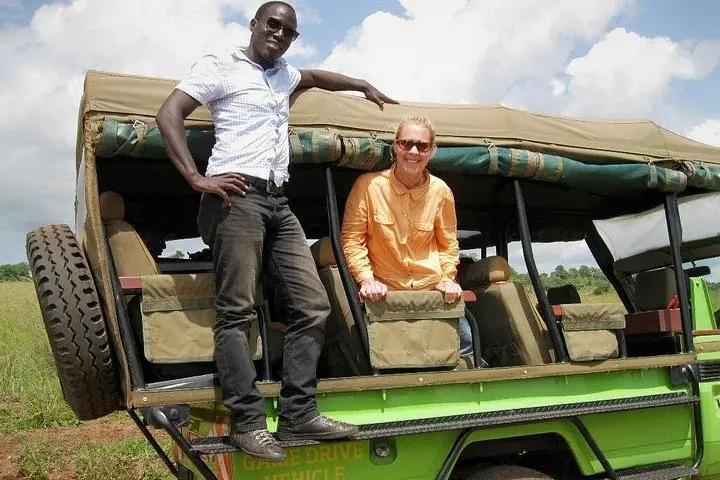
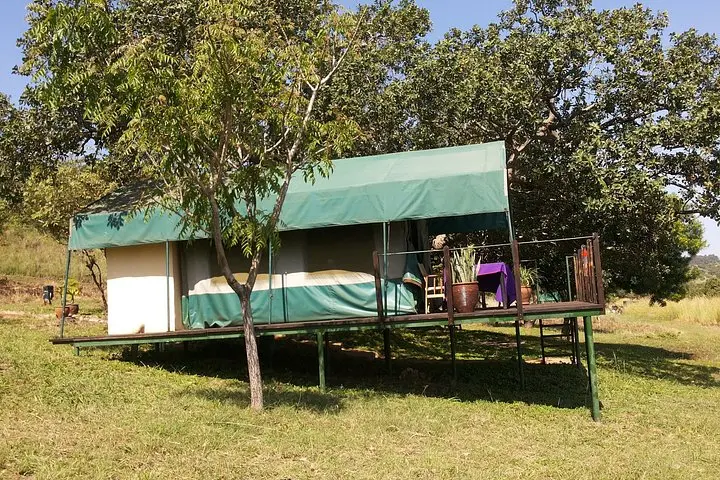
Practical notes: the tour is typically two days, driven from Mbale, with early starts for wildlife activity. Roads are rough; a high-clearance 4x4 and patient driving are standard. Pack sun protection, refillable water, sturdy shoes for short walks, and modest clothing for cultural visits. Expect basic tented accommodation at UWA campsites and ranger-guided drives focused on observation rather than guaranteed sightings. Timing your visit for the dry window improves road access and viewing, but the landscape’s quiet resilience rewards travelers year-round.
This is a two-day, overnight safari with game drives on both days and wilderness camping at a Uganda Wildlife Authority campsite.
Expect grazers like zebras and antelope, buffalo, and opportunistic predators such as cheetah or wild dogs, though sightings aren’t guaranteed.
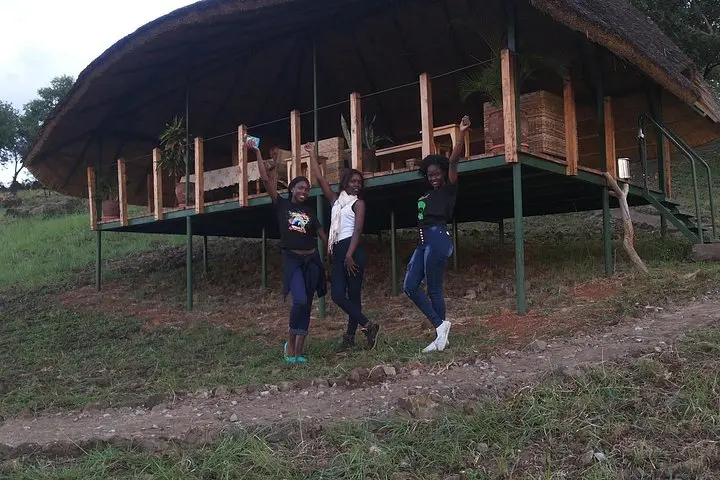
Yes—camping is at UWA tented campsites with basic tented accommodation; facilities are rustic and oriented toward low-impact stays.
Check routine travel vaccinations and yellow fever requirements for Uganda; park access and camping are handled by the operator and UWA permits are included in organized tours.
East Trails operates guided outdoor trips and adventures with an emphasis on safety, stewardship, and memorable experiences.
Dawn spills across the Pian Hills with a dry-scented wind that pushes the tall grasses into slow, rolling waves. Your first game drive threads between acacia-dotted plains and low koppies, the landscape opening in long, golden views where zebras and antelope graze and the occasional shadow of a cheetah slides between shrubs.
Dawn spills across the Pian Hills with a dry-scented wind that pushes the tall grasses into slow, rolling waves. Your first game drive threads between acacia-dotted plains and low koppies, the landscape opening in long, golden views where zebras and antelope graze and the occasional shadow of a cheetah slides between shrubs.
Pian Upe sits on Uganda’s eastern plateau, part of a semi-arid basin shaped by ancient volcanic uplift and seasonal rivers that carve shallow valleys. The reserve shares cultural ground with the Karamojong people—visitors often meet families at a Manyatta, taste locally prepared meals, and learn traditional homestead skills passed through generations.
The reserve’s draw is straightforward: wide, open savanna, hardy plains species, and nights under canvas away from light pollution. Geology gives the park its low hills and grassy basins; ecology favors grazers and the predators that follow. Responsible operators emphasize low-impact camping and community partnership—your stay supports local guides and Uganda Wildlife Authority campsites.
Practical notes: the tour is typically two days, driven from Mbale, with early starts for wildlife activity. Roads are rough; a high-clearance 4x4 and patient driving are standard. Pack sun protection, refillable water, sturdy shoes for short walks, and modest clothing for cultural visits. Expect basic tented accommodation at UWA campsites and ranger-guided drives focused on observation rather than guaranteed sightings. Timing your visit for the dry window improves road access and viewing, but the landscape’s quiet resilience rewards travelers year-round.