THE ADVENTURE COLLECTIVE® · Independent discovery and booking for outdoor travel

Spend an hour at DaCy Meadow selecting and arranging your own blooms. This private farm visit includes clippers and jars, hands-on guidance, and a close-up look at Hudson Valley growing practices.
Spend an hour at DaCy Meadow selecting and arranging your own blooms. This private farm visit includes clippers and jars, hands-on guidance, and a close-up look at Hudson Valley growing practices.
Pull up the gravel drive and look for the faded wooden sign that says “DaCy Meadow.” The air here carries a green, sharp scent — soil warmed by sun, clover and newly cut stems. Rows of zinnias and peonies lean toward the morning light; bees dart like small, purposeful boats. Children move between beds with jars in hand while a goat lifts its head to observe.
Verified experiences and guided adventures in the surrounding area.
Operated by Mary Godnick · Beacon, New York
Pull up the gravel drive and look for the faded wooden sign that says “DaCy Meadow.” The air here carries a green, sharp scent — soil warmed by sun, clover and newly cut stems. Rows of zinnias and peonies lean toward the morning light; bees dart like small, purposeful boats. Children move between beds with jars in hand while a goat lifts its head to observe.
This is a working Hudson Valley flower farm on land shaped by glaciers and later used for dairy and mixed agriculture; the soils are loam-rich river terraces that favor cut flowers. Locally, farms like this helped fuel the region’s farm-to-table movement and weekend agritourism culture, offering city visitors a hands-on link to seasonal growing cycles.
You’ll be shown around the beds, given clippers and a jar of water, and guided on how to make a balanced arrangement. The experience is deliberate rather than rushed — a private hour to choose stems and learn simple cutting techniques. Expect uneven paths, exposed roots, and sun-drenched beds; staff often park guests along the garden fence, and the operation notes wheelchair access for some areas.
Practical guidance: go early when blossoms are firm, bring sun protection and closed-toe shoes, and plan for insect spray in warm months. Each participant keeps their jar and flowers, so consider how you’ll transport arrangements home. The farm asks for 24-hour cancellation notice and does not routinely cancel for light rain, so bring a light packable layer. This visit is low-effort but rich in sensory detail — a short, tactile way to connect with regional seasonal rhythm.
Yes — clippers and jars of water are provided and the flowers you pick are yours to take home.
The listing notes wheelchair accessibility for portions of the site; pathways can be uneven, so contact the farm in advance about specific needs.
Service animals are allowed; general pet policies vary — check with the farm before bringing non-service animals.
For a full refund cancel at least 24 hours before the scheduled start time; the farm does not typically cancel for light rain.
Mary Godnick operates guided outdoor trips and adventures with an emphasis on safety, stewardship, and memorable experiences.

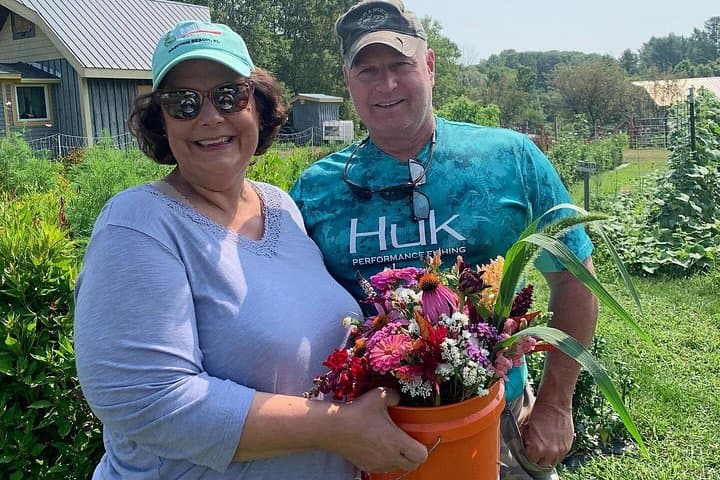
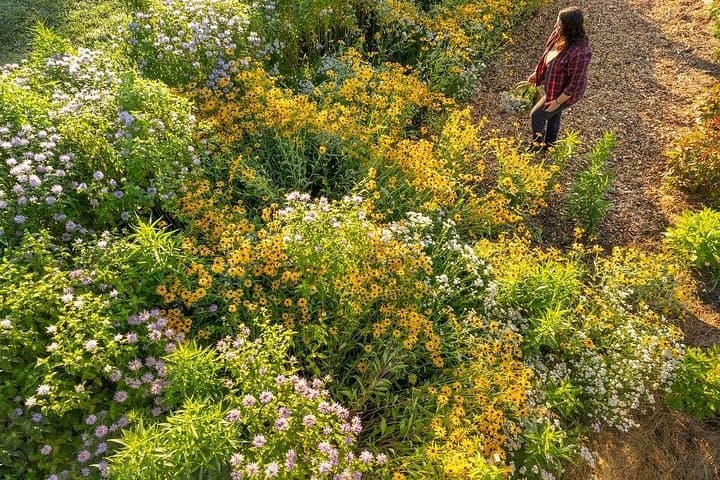
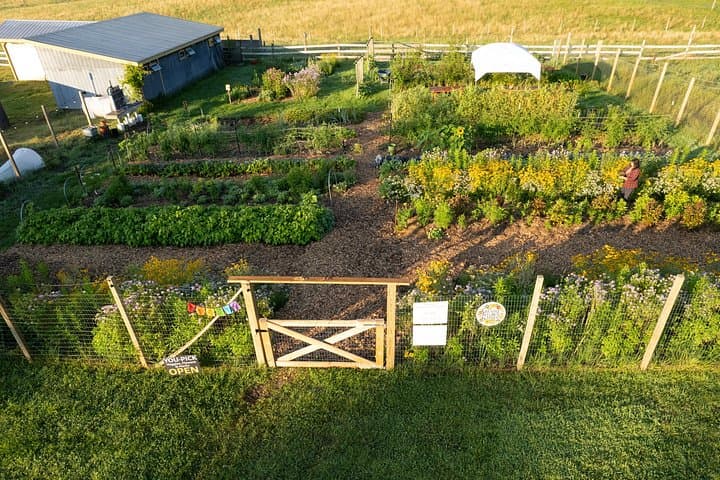
Pull up the gravel drive and look for the faded wooden sign that says “DaCy Meadow.” The air here carries a green, sharp scent — soil warmed by sun, clover and newly cut stems. Rows of zinnias and peonies lean toward the morning light; bees dart like small, purposeful boats. Children move between beds with jars in hand while a goat lifts its head to observe.
Pull up the gravel drive and look for the faded wooden sign that says “DaCy Meadow.” The air here carries a green, sharp scent — soil warmed by sun, clover and newly cut stems. Rows of zinnias and peonies lean toward the morning light; bees dart like small, purposeful boats. Children move between beds with jars in hand while a goat lifts its head to observe.
This is a working Hudson Valley flower farm on land shaped by glaciers and later used for dairy and mixed agriculture; the soils are loam-rich river terraces that favor cut flowers. Locally, farms like this helped fuel the region’s farm-to-table movement and weekend agritourism culture, offering city visitors a hands-on link to seasonal growing cycles.
You’ll be shown around the beds, given clippers and a jar of water, and guided on how to make a balanced arrangement. The experience is deliberate rather than rushed — a private hour to choose stems and learn simple cutting techniques. Expect uneven paths, exposed roots, and sun-drenched beds; staff often park guests along the garden fence, and the operation notes wheelchair access for some areas.
Practical guidance: go early when blossoms are firm, bring sun protection and closed-toe shoes, and plan for insect spray in warm months. Each participant keeps their jar and flowers, so consider how you’ll transport arrangements home. The farm asks for 24-hour cancellation notice and does not routinely cancel for light rain, so bring a light packable layer. This visit is low-effort but rich in sensory detail — a short, tactile way to connect with regional seasonal rhythm.