THE ADVENTURE COLLECTIVE® · Independent discovery and booking for outdoor travel

A half-day guided hike to Pico da Tijuca takes you through Atlantic Forest to a 360° summit view and the 35m Taunay Waterfall. Expect 4.7 km round trip, ~300 m ascent, and wildlife sightings—ideal for travelers with moderate fitness.
A half-day guided hike to Pico da Tijuca takes you through Atlantic Forest to a 360° summit view and the 35m Taunay Waterfall. Expect 4.7 km round trip, ~300 m ascent, and wildlife sightings—ideal for travelers with moderate fitness.
You push through humid Atlantic Forest, the canopy closing like a green roof as distant city noise thins to bird calls. The trail climbs in earnest—rocky tread, tree roots and the occasional carved staircase—until a sudden aperture opens and Rio unfurls below in a full 360° sweep: city, bay and sugarloaf stacked under the sky.
Verified experiences and guided adventures in the surrounding area.
Operated by Rio Eco Trip · Rio de Janeiro, Rio de Janeiro
You push through humid Atlantic Forest, the canopy closing like a green roof as distant city noise thins to bird calls. The trail climbs in earnest—rocky tread, tree roots and the occasional carved staircase—until a sudden aperture opens and Rio unfurls below in a full 360° sweep: city, bay and sugarloaf stacked under the sky.
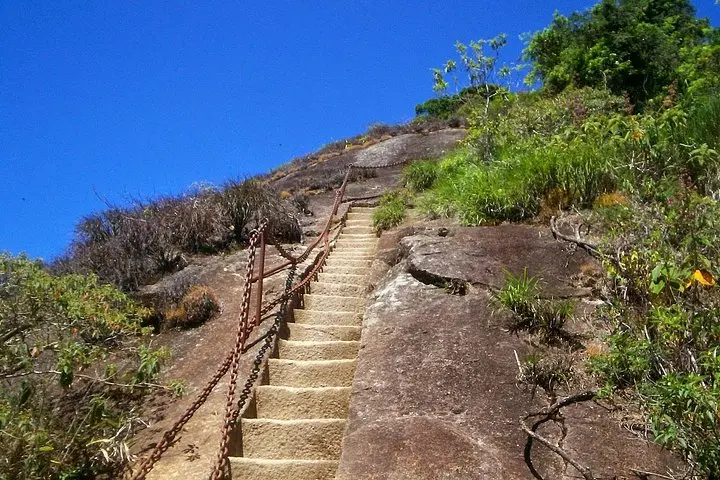
Pico da Tijuca (1,022 m) is the park’s highest marked summit and part of a larger remnant of coastal Serra do Mar. The stone staircase near the top was cut in the early 20th century and reworked to impress visiting dignitaries, a small human mark on much older geology of granite intrusions and eroded slopes. Along the way, you’ll pass the Chinese View (Vista Chinesa) and the Taunay Waterfall—Tijuca’s largest at about 35 meters—both illustrating how culture and conservation intersect in this urban forest.
Expect dense, humid trail undergrowth, frequent wildlife sightings—toucans, marmosets, and coatis—and sections of exposed rock with short, steep pitches and the final 177 steps to the summit plateau. The whole round trip is roughly 4.7 km with about 300 m of ascent; guides often allow 4–6 hours including stops.
Practical tips: start early to avoid heat and crowds, bring layered rain protection, and pack water and snacks—the park is protected but facilities are limited. Respect wildlife (do not feed animals) and follow marked paths to help preserve trails. With basic fitness and proper footwear, this is an accessible half-day hike that rewards with one of Rio’s best vantage points.
The trail is about 4.7 km round trip with roughly 300 m of ascent; most guided trips allow 4–6 hours including stops and transfers.
A guide is not strictly required but recommended—trail junctions and safety information are helpful, and guides add local ecological and cultural context.
Yes—toucans, small primates (marmosets), and coatis are commonly seen; keep distance and do not feed animals.
Children and older adults with moderate mobility can do the hike, but the final sections include steep steps; consider pace, rest breaks, and health limitations.
Rio Eco Trip operates guided outdoor trips and adventures with an emphasis on safety, stewardship, and memorable experiences.
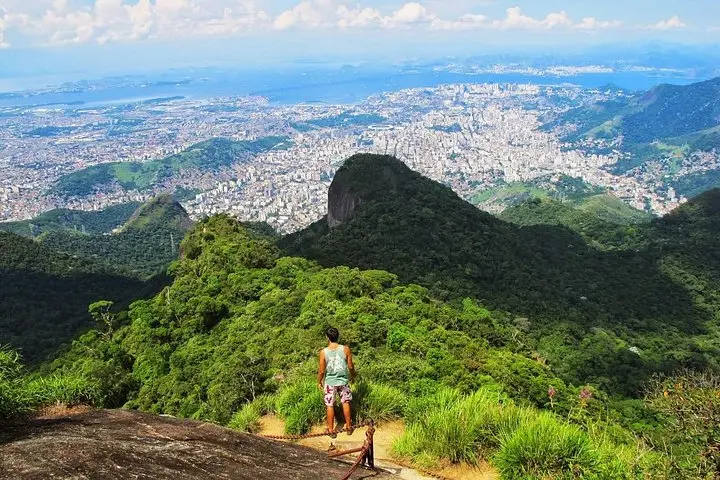
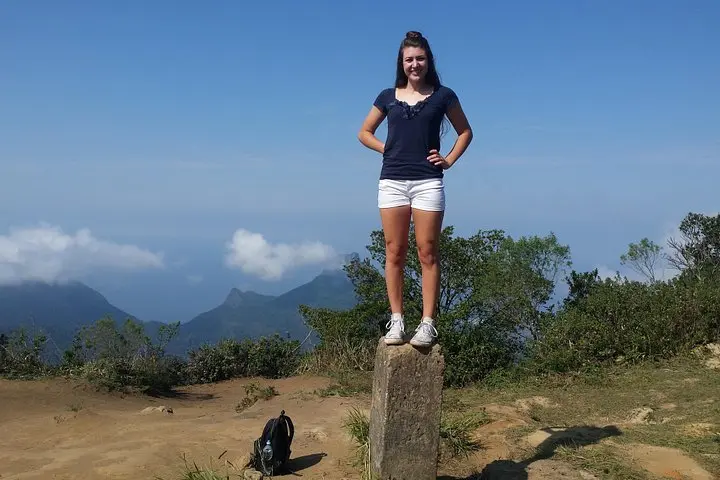
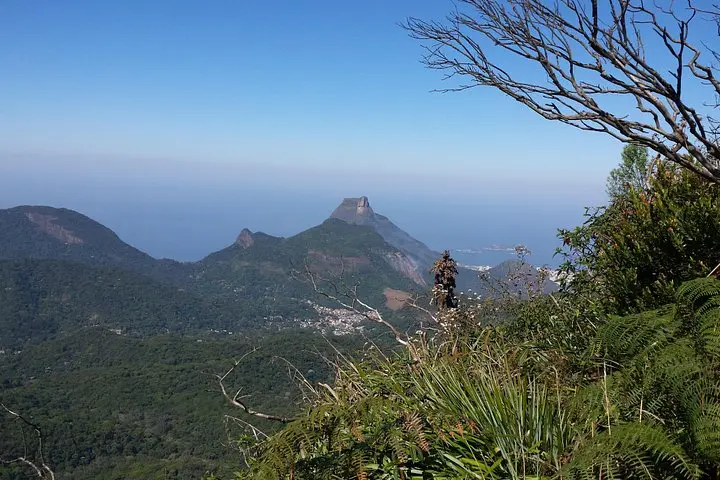
You push through humid Atlantic Forest, the canopy closing like a green roof as distant city noise thins to bird calls. The trail climbs in earnest—rocky tread, tree roots and the occasional carved staircase—until a sudden aperture opens and Rio unfurls below in a full 360° sweep: city, bay and sugarloaf stacked under the sky.
You push through humid Atlantic Forest, the canopy closing like a green roof as distant city noise thins to bird calls. The trail climbs in earnest—rocky tread, tree roots and the occasional carved staircase—until a sudden aperture opens and Rio unfurls below in a full 360° sweep: city, bay and sugarloaf stacked under the sky.
Pico da Tijuca (1,022 m) is the park’s highest marked summit and part of a larger remnant of coastal Serra do Mar. The stone staircase near the top was cut in the early 20th century and reworked to impress visiting dignitaries, a small human mark on much older geology of granite intrusions and eroded slopes. Along the way, you’ll pass the Chinese View (Vista Chinesa) and the Taunay Waterfall—Tijuca’s largest at about 35 meters—both illustrating how culture and conservation intersect in this urban forest.
Expect dense, humid trail undergrowth, frequent wildlife sightings—toucans, marmosets, and coatis—and sections of exposed rock with short, steep pitches and the final 177 steps to the summit plateau. The whole round trip is roughly 4.7 km with about 300 m of ascent; guides often allow 4–6 hours including stops.
Practical tips: start early to avoid heat and crowds, bring layered rain protection, and pack water and snacks—the park is protected but facilities are limited. Respect wildlife (do not feed animals) and follow marked paths to help preserve trails. With basic fitness and proper footwear, this is an accessible half-day hike that rewards with one of Rio’s best vantage points.