THE ADVENTURE COLLECTIVE® · Independent discovery and booking for outdoor travel

Follow the rugged spine of Madeira from Pico do Arieiro to Pico Ruivo on a dramatic high-mountain hike. Expect tunnels, carved steps and panoramic summit views—plan for a full day with proper footwear, layers and water.
Follow the rugged spine of Madeira from Pico do Arieiro to Pico Ruivo on a dramatic high-mountain hike. Expect tunnels, carved steps and panoramic summit views—plan for a full day with proper footwear, layers and water.
Fog and sun trade places along the ridge as you step out from the car park at Pico do Arieiro. The path drops into hewn tunnels, climbs carved steps and opens onto sharp ridgelines where wind pushes at your pack and the island stretches below like a folded map. Ahead, Pico Ruivo looms at 1,862 m—the island’s high point—its shelter a welcome beacon after long ascents.
Verified experiences and guided adventures in the surrounding area.
Operated by Nature Meetings · Funchal, Madeira
Fog and sun trade places along the ridge as you step out from the car park at Pico do Arieiro. The path drops into hewn tunnels, climbs carved steps and opens onto sharp ridgelines where wind pushes at your pack and the island stretches below like a folded map. Ahead, Pico Ruivo looms at 1,862 m—the island’s high point—its shelter a welcome beacon after long ascents.
This route traces the volcanic backbone of central Madeira, forged from ancient lava flows and sculpted by erosion into jagged peaks and deep ravines. Human history here is sparse but distinctive: shepherd trails and basalt curiosities such as “Homem em pé” mark how locals adapted to steep terrain. Vegetation shifts quickly—upper montane scrub gives way to pockets of laurel forest lower down, a remnant of the island’s UNESCO-recognized laurisilva.
Expect roughly 7 km one-way on exposed, rocky terrain with tunnels and many steps; cumulative elevation change can reach several hundred metres despite the modest difference between start and summit. The most demanding sections are steep stone stairways and narrow ridgewalks where sure footing matters.
Practical guide: start early to avoid mid-day clouds, carry 2–3 L of water, and wear stiff-soled boots and a windproof shell. Trekking poles help on steep descents; a headlamp is useful for tunnels or early starts. The route is commonly guided with transfers available from Funchal and cruise-ship pick-up options—confirm boarding times in advance. Weather can shift fast; plan conservatively and respect closures in poor conditions.
The main walking section is roughly 7 km one-way across exposed ridge and tunnel sections; expect a full-day outing including transfers—about 7–9 hours total on guided departures.
Yes—this operation typically includes certified driver and experienced mountain guide plus transfers to and from the walk; confirm pickup details when booking.
Yes; cruise passengers can join but must supply ship name, docking and disembarkation times at booking to coordinate pickup and return.
Mountain weather shifts quickly—clear mornings can cloud over by noon. The provider cancels in unsafe weather; plan for cool, windy conditions and dress in layers.
Nature Meetings operates guided outdoor trips and adventures with an emphasis on safety, stewardship, and memorable experiences.
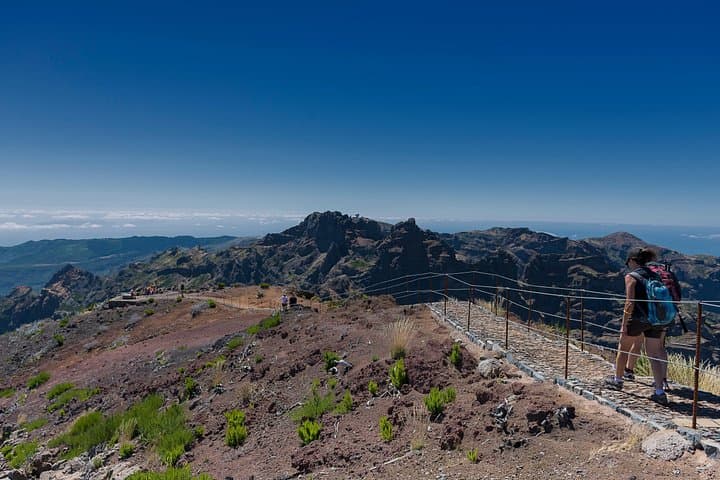
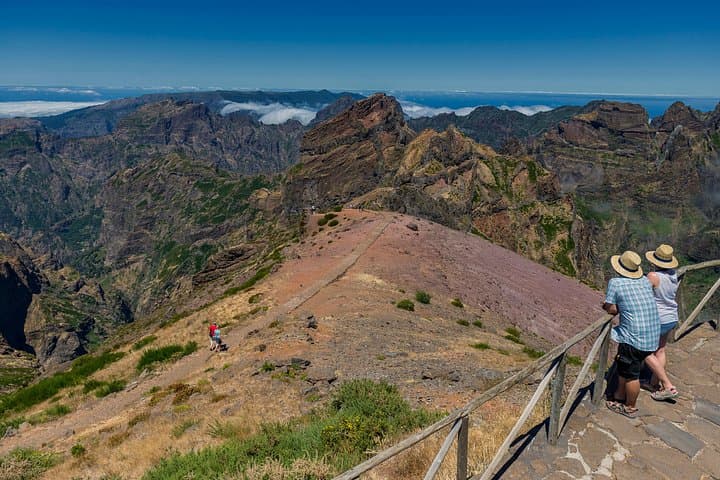
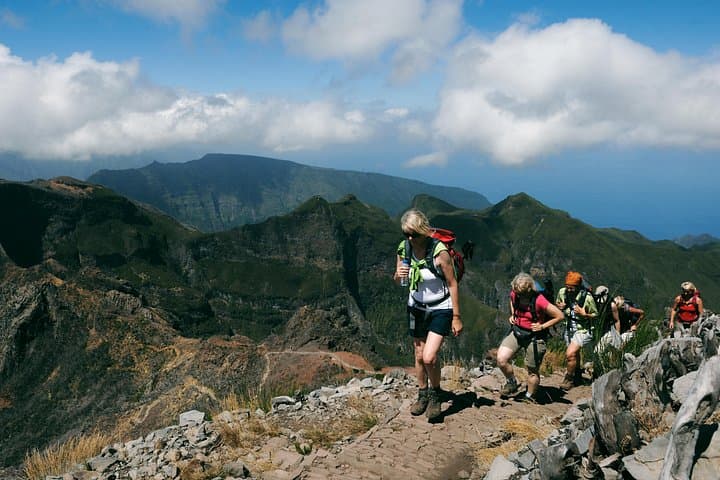
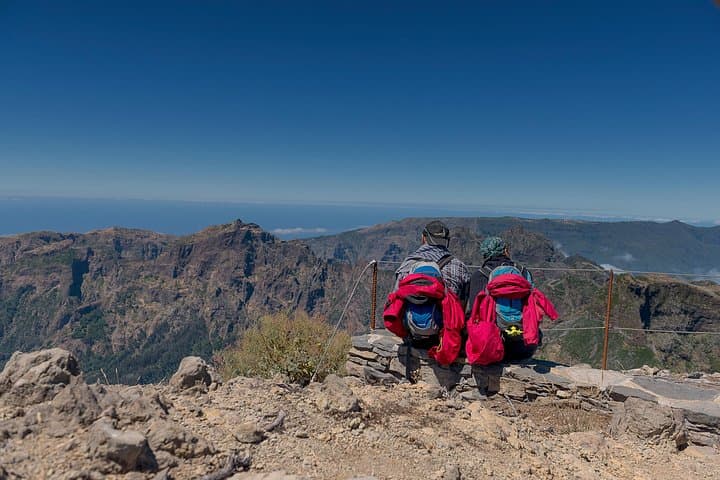
Fog and sun trade places along the ridge as you step out from the car park at Pico do Arieiro. The path drops into hewn tunnels, climbs carved steps and opens onto sharp ridgelines where wind pushes at your pack and the island stretches below like a folded map. Ahead, Pico Ruivo looms at 1,862 m—the island’s high point—its shelter a welcome beacon after long ascents.
Fog and sun trade places along the ridge as you step out from the car park at Pico do Arieiro. The path drops into hewn tunnels, climbs carved steps and opens onto sharp ridgelines where wind pushes at your pack and the island stretches below like a folded map. Ahead, Pico Ruivo looms at 1,862 m—the island’s high point—its shelter a welcome beacon after long ascents.
This route traces the volcanic backbone of central Madeira, forged from ancient lava flows and sculpted by erosion into jagged peaks and deep ravines. Human history here is sparse but distinctive: shepherd trails and basalt curiosities such as “Homem em pé” mark how locals adapted to steep terrain. Vegetation shifts quickly—upper montane scrub gives way to pockets of laurel forest lower down, a remnant of the island’s UNESCO-recognized laurisilva.
Expect roughly 7 km one-way on exposed, rocky terrain with tunnels and many steps; cumulative elevation change can reach several hundred metres despite the modest difference between start and summit. The most demanding sections are steep stone stairways and narrow ridgewalks where sure footing matters.
Practical guide: start early to avoid mid-day clouds, carry 2–3 L of water, and wear stiff-soled boots and a windproof shell. Trekking poles help on steep descents; a headlamp is useful for tunnels or early starts. The route is commonly guided with transfers available from Funchal and cruise-ship pick-up options—confirm boarding times in advance. Weather can shift fast; plan conservatively and respect closures in poor conditions.