THE ADVENTURE COLLECTIVE® · Independent discovery and booking for outdoor travel

Head out from Madalena for a three-hour boat tour into the nutrient-rich waters off Pico, where experienced crew guide you to watch for sperm whales and dolphins. Practical, informative, and focused on responsible viewing, this trip pairs natural history with close-up marine encounters.
Head out from Madalena for a three-hour boat tour into the nutrient-rich waters off Pico, where experienced crew guide you to watch for sperm whales and dolphins. Practical, informative, and focused on responsible viewing, this trip pairs natural history with close-up marine encounters.
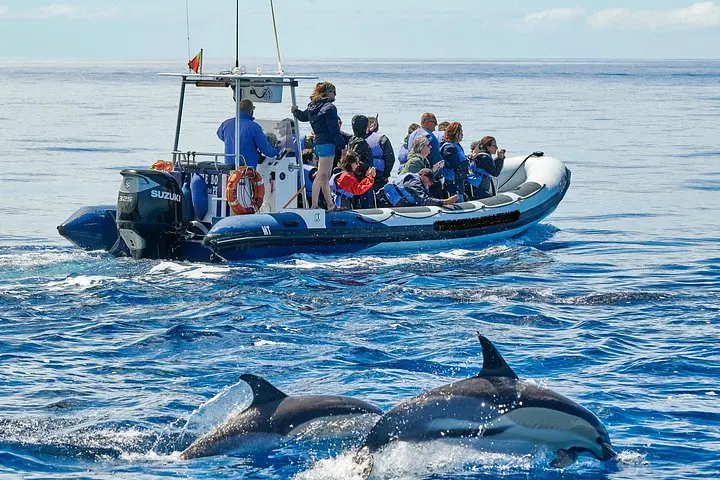
A low wash of Atlantic wind lifts from the harbor as the boat eases away from Madalena and the black cone of Mount Pico shrinks behind you. Sea spray cools the face; gulls wheel like punctuation marks. In minutes the coastline dissolves into open water and the crew, voices steady over the motor, begins the slow hunt for blows and dorsal fins.
Verified experiences and guided adventures in the surrounding area.
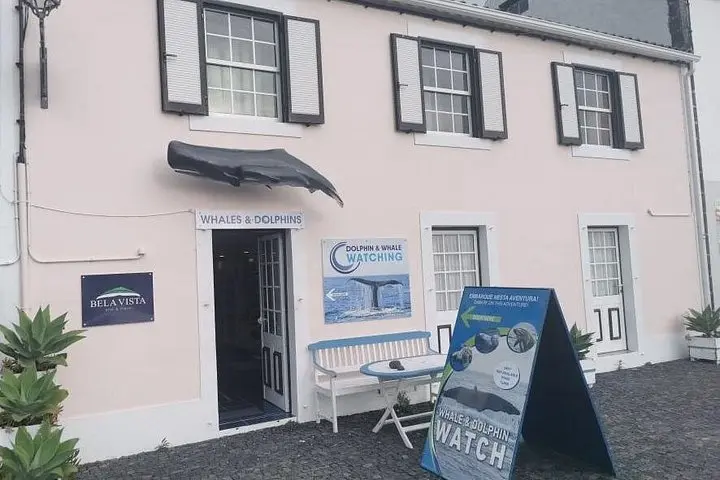
Operated by Bela Vista Travel · Madalena, Azores
A low wash of Atlantic wind lifts from the harbor as the boat eases away from Madalena and the black cone of Mount Pico shrinks behind you. Sea spray cools the face; gulls wheel like punctuation marks. In minutes the coastline dissolves into open water and the crew, voices steady over the motor, begins the slow hunt for blows and dorsal fins.
Pico’s seas sit at the crossroads of North Atlantic currents; the island’s volcanic ridges cast up nutrient-rich upwellings that attract squid and small fish, which in turn lure larger predators. That geology and productivity underpin a long human story — from 19th-century shore whaling to the modern shift toward observation and conservation. Lajes do Pico’s whaling museum and the UNESCO-listed Cristão da Criação Velha vineyards tell pieces of that past.
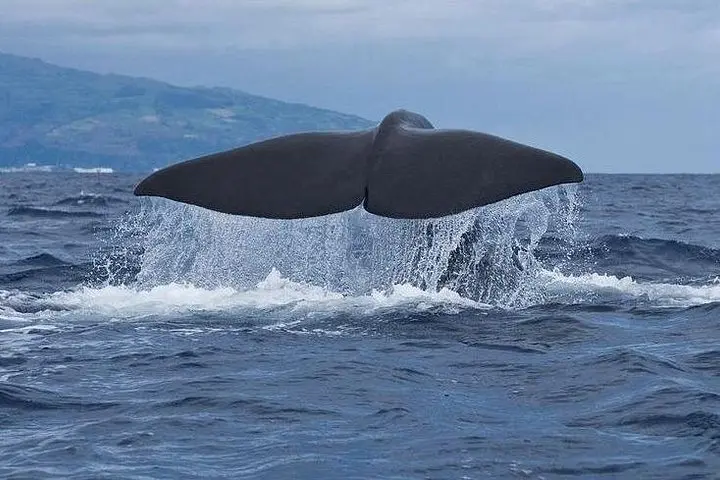
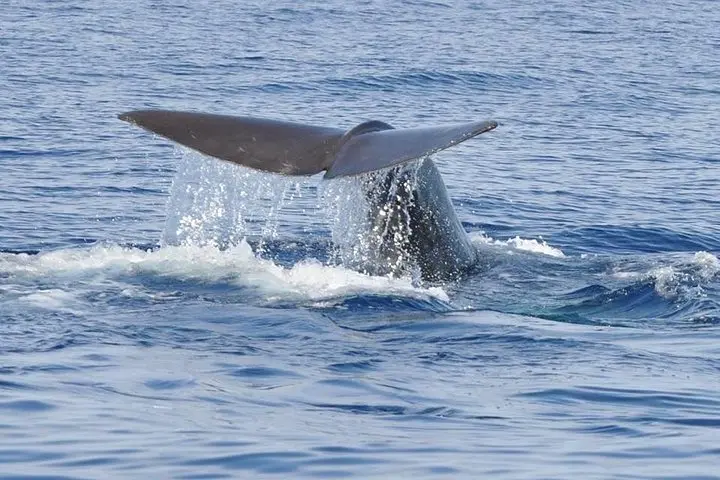
Expect a practical, observational outing: licensed crew give species notes and behavior context while the boat works likely feeding grounds. Sightings in these waters commonly include sperm whales and several dolphin species; trips typically range a few to a few dozen kilometers offshore depending on where feeding congregates form.
Plan for motion and changing weather. Dress in layers, bring binoculars and a charged camera, and arrive at the meeting point on Madalena’s waterfront 30 minutes early. Operators follow local guidelines on approach distance and will cancel or reschedule in rough weather. For a three-hour window into a wild Atlantic ecosystem, this tour balances close observation with respect — you come home with both photos and a clearer sense of why Pico turned from whaling to watching.
No; operators maximize chances using local knowledge and sightings history, but wildlife is unpredictable—good tours have high encounter rates but cannot promise specific animals.
Most departures are from Madalena’s waterfront (Marginal Avenue); the operator asks guests to arrive about 30 minutes early for check-in.
Yes—this activity is listed as suitable for all fitness levels, though children should be supervised and those with mobility limits should check boarding assistance options.
Tours will be canceled or rescheduled if conditions are unsafe; operators follow local sea-state limits and refund policies typically allow cancellation up to 24 hours beforehand.
Bela Vista Travel operates guided outdoor trips and adventures with an emphasis on safety, stewardship, and memorable experiences.
A low wash of Atlantic wind lifts from the harbor as the boat eases away from Madalena and the black cone of Mount Pico shrinks behind you. Sea spray cools the face; gulls wheel like punctuation marks. In minutes the coastline dissolves into open water and the crew, voices steady over the motor, begins the slow hunt for blows and dorsal fins.
A low wash of Atlantic wind lifts from the harbor as the boat eases away from Madalena and the black cone of Mount Pico shrinks behind you. Sea spray cools the face; gulls wheel like punctuation marks. In minutes the coastline dissolves into open water and the crew, voices steady over the motor, begins the slow hunt for blows and dorsal fins.
Pico’s seas sit at the crossroads of North Atlantic currents; the island’s volcanic ridges cast up nutrient-rich upwellings that attract squid and small fish, which in turn lure larger predators. That geology and productivity underpin a long human story — from 19th-century shore whaling to the modern shift toward observation and conservation. Lajes do Pico’s whaling museum and the UNESCO-listed Cristão da Criação Velha vineyards tell pieces of that past.
Expect a practical, observational outing: licensed crew give species notes and behavior context while the boat works likely feeding grounds. Sightings in these waters commonly include sperm whales and several dolphin species; trips typically range a few to a few dozen kilometers offshore depending on where feeding congregates form.
Plan for motion and changing weather. Dress in layers, bring binoculars and a charged camera, and arrive at the meeting point on Madalena’s waterfront 30 minutes early. Operators follow local guidelines on approach distance and will cancel or reschedule in rough weather. For a three-hour window into a wild Atlantic ecosystem, this tour balances close observation with respect — you come home with both photos and a clearer sense of why Pico turned from whaling to watching.