THE ADVENTURE COLLECTIVE® · Independent discovery and booking for outdoor travel

Cross Queen Charlotte Sound by water taxi to Kaipupu Sanctuary, a predator-free island with a tidy 2.8km loop through native bush. Expect close bird encounters, compact boardwalks, and short coastal viewpoints—perfect for a restorative half-day outing.
Cross Queen Charlotte Sound by water taxi to Kaipupu Sanctuary, a predator-free island with a tidy 2.8km loop through native bush. Expect close bird encounters, compact boardwalks, and short coastal viewpoints—perfect for a restorative half-day outing.
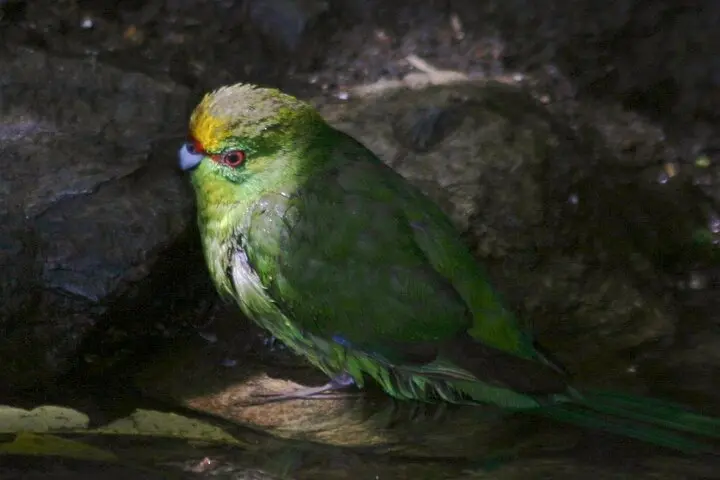
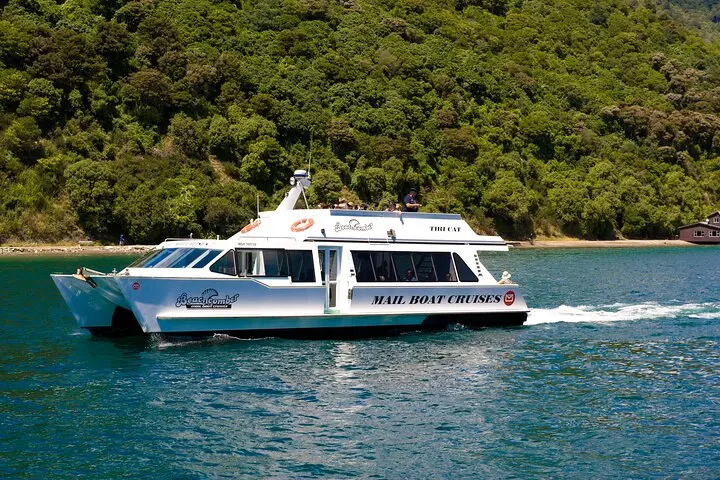
Step off the water taxi and the sound of the harbor falls away; the island draws you in with wind-creased pōhutukawa and a chorus of tūī. Kaipupu Sanctuary’s predator-free fences let native birds move with confidence—beaks flash through the canopy and a ferny track unfurls for a quiet 2.8km loop.
Verified experiences and guided adventures in the surrounding area.
Operated by Beachcomber Cruises · Picton, Marlborough
Step off the water taxi and the sound of the harbor falls away; the island draws you in with wind-creased pōhutukawa and a chorus of tūī. Kaipupu Sanctuary’s predator-free fences let native birds move with confidence—beaks flash through the canopy and a ferny track unfurls for a quiet 2.8km loop.
The land here sits within Queen Charlotte Sound, carved by glacial and marine forces into sheltered bays and headlands. The sanctuary’s predator-control history is recent: fences and sustained pest removal transformed an ordinary shore into a safe haven for reintroduced species. Local iwi connections and community volunteers shaped much of the conservation work, so the walk is as much cultural stewardship as scenic stroll.
On the track, the bush takes on character—kahikatea reach skyward, the understorey nudges close, and streams dare you to pause and listen. The loop is compact but varied: short rises, boardwalk over damp ground, and viewpoints that open to the sound. Expect birdsong, occasional shearwater sightings offshore, and the deliberate quiet that comes from protected habitat.
Practicalities: the water taxi round-trip is short and scheduled; the walking portion is 2.8km and typically takes 45–90 minutes depending on pauses for viewing. Wear sturdy shoes, bring rain layers, and carry water and insect repellent. Toilets and facilities can be limited—plan accordingly. If you’re visiting with children or limited mobility, contact the operator about accessibility and boat boarding. This is a low-impact visit: follow leave-no-trace practices and keep dogs and food sealed to maintain the sanctuary’s predator-free status.
The loop is 2.8km; most visitors spend 45–90 minutes on the track plus water taxi transfer time—plan for about two hours total.
The track has boardwalk sections but also narrow, rooty trail; older children are fine, but strollers and standard wheelchairs are not recommended without prior inquiry to the operator.
Facilities are limited—check with the operator before travel and bring water; use toilets in Picton prior to boarding when possible.
Do not bring pets; the sanctuary is predator-free. Pack food in sealed containers and carry out all waste to protect wildlife.
Beachcomber Cruises operates guided outdoor trips and adventures with an emphasis on safety, stewardship, and memorable experiences.

Step off the water taxi and the sound of the harbor falls away; the island draws you in with wind-creased pōhutukawa and a chorus of tūī. Kaipupu Sanctuary’s predator-free fences let native birds move with confidence—beaks flash through the canopy and a ferny track unfurls for a quiet 2.8km loop.
Step off the water taxi and the sound of the harbor falls away; the island draws you in with wind-creased pōhutukawa and a chorus of tūī. Kaipupu Sanctuary’s predator-free fences let native birds move with confidence—beaks flash through the canopy and a ferny track unfurls for a quiet 2.8km loop.
The land here sits within Queen Charlotte Sound, carved by glacial and marine forces into sheltered bays and headlands. The sanctuary’s predator-control history is recent: fences and sustained pest removal transformed an ordinary shore into a safe haven for reintroduced species. Local iwi connections and community volunteers shaped much of the conservation work, so the walk is as much cultural stewardship as scenic stroll.
On the track, the bush takes on character—kahikatea reach skyward, the understorey nudges close, and streams dare you to pause and listen. The loop is compact but varied: short rises, boardwalk over damp ground, and viewpoints that open to the sound. Expect birdsong, occasional shearwater sightings offshore, and the deliberate quiet that comes from protected habitat.
Practicalities: the water taxi round-trip is short and scheduled; the walking portion is 2.8km and typically takes 45–90 minutes depending on pauses for viewing. Wear sturdy shoes, bring rain layers, and carry water and insect repellent. Toilets and facilities can be limited—plan accordingly. If you’re visiting with children or limited mobility, contact the operator about accessibility and boat boarding. This is a low-impact visit: follow leave-no-trace practices and keep dogs and food sealed to maintain the sanctuary’s predator-free status.