THE ADVENTURE COLLECTIVE® · Independent discovery and booking for outdoor travel

Witness the extraordinary winter congregation of monarch butterflies at Piedra Herrada, then explore the cobbled streets and waterfall of Valle de Bravo. This full-day trip blends wildlife viewing, light-to-moderate hiking, and cultural stops.
Witness the extraordinary winter congregation of monarch butterflies at Piedra Herrada, then explore the cobbled streets and waterfall of Valle de Bravo. This full-day trip blends wildlife viewing, light-to-moderate hiking, and cultural stops.
You step out of the van into a high pine forest and the air is alive — not with birdsong but with wings. Clusters of orange-and-black monarchs fan across trunks and under an open winter sky, their numbers thick enough that they murmur like distant leaves when the wind moves through them.
Verified experiences and guided adventures in the surrounding area.
Operated by Vibe Adventures · Valle de Bravo, Estado de México
You step out of the van into a high pine forest and the air is alive — not with birdsong but with wings. Clusters of orange-and-black monarchs fan across trunks and under an open winter sky, their numbers thick enough that they murmur like distant leaves when the wind moves through them.
Piedra Herrada is one of the official sanctuaries within the Monarch Butterfly Biosphere Reserve, a transboundary wintering ground recognized by UNESCO in 2008. The geology here is volcanic and steep; ridgelines of basalt and andesite create sheltered valleys where fir and oyamel fir hold cold, humid air — the exact microclimate monarchs need after their multi-thousand-kilometer migration.
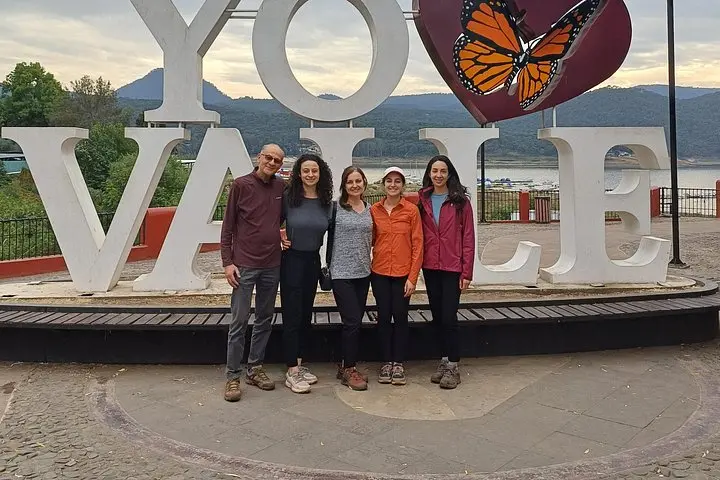
After the sanctuary visit the tour drops you into Valle de Bravo, a colonial-era town on a mountain lake where cobbled streets, a Folk Art Museum, and a nearby waterfall reflect a long local tradition of crafts and outdoor recreation.
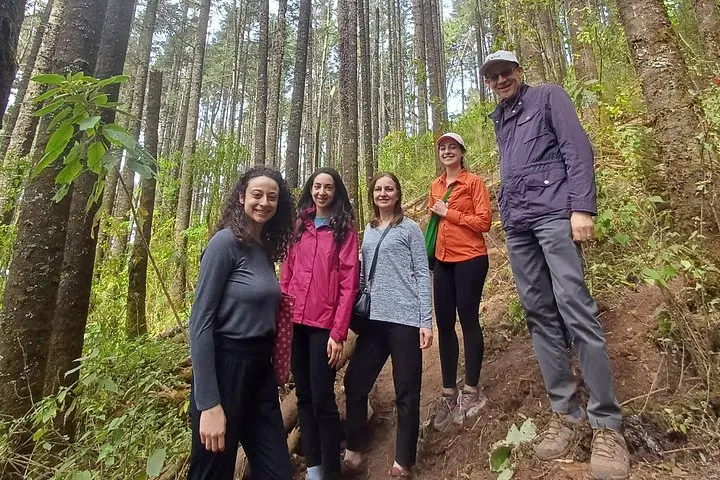
Practical guidance: the sanctuary season runs November–March, peaking December–February. Trails climb between about 2,800–3,400 m with hikes from 1.2–3 km and elevation gains up to ~800 m; a moderate level of fitness is recommended. Expect uneven volcanic trail, cold mornings, and possible rain; local guides explain the biology and conservation of the migration and direct viewing etiquette. If steepness is a concern, horses are often available for part of the ascent. Bring layered clothing, water, and a camera with a zoom; keep distance so the butterflies aren’t disturbed. The full-day itinerary typically includes transfers totaling several hours each way from Mexico City.
The sanctuary season runs November–March with peak concentrations December–February; sightings vary with weather — cold, dry mornings increase cluster visibility.
Trails vary: expect 1.2–3 km one-way with 220–800 m elevation gain; most visitors find it moderate but steep sections may be strenuous — horses are often available for part of the climb for an extra fee.
Basic facilities or vendors may be available near parking areas, but mountain services are limited — bring snacks and use facilities before the hike or in Valle de Bravo later.
Yes, but avoid flash, loud noises, and getting too close; guides will brief visitors on respectful viewing to protect the butterflies and their roosts.
Vibe Adventures operates guided outdoor trips and adventures with an emphasis on safety, stewardship, and memorable experiences.
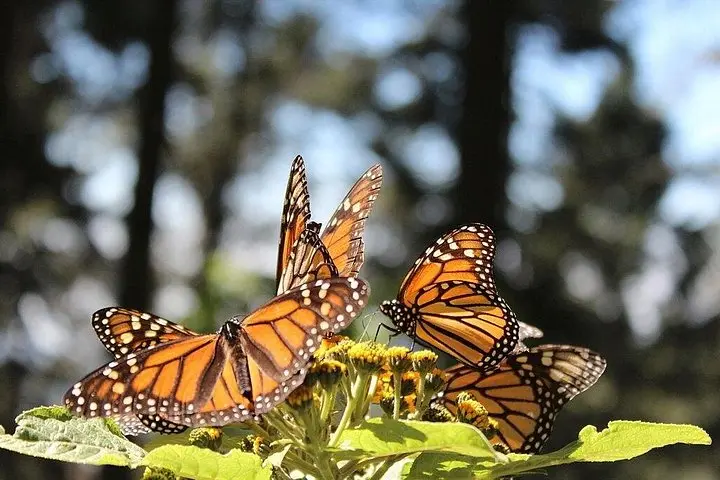
You step out of the van into a high pine forest and the air is alive — not with birdsong but with wings. Clusters of orange-and-black monarchs fan across trunks and under an open winter sky, their numbers thick enough that they murmur like distant leaves when the wind moves through them.
You step out of the van into a high pine forest and the air is alive — not with birdsong but with wings. Clusters of orange-and-black monarchs fan across trunks and under an open winter sky, their numbers thick enough that they murmur like distant leaves when the wind moves through them.
Piedra Herrada is one of the official sanctuaries within the Monarch Butterfly Biosphere Reserve, a transboundary wintering ground recognized by UNESCO in 2008. The geology here is volcanic and steep; ridgelines of basalt and andesite create sheltered valleys where fir and oyamel fir hold cold, humid air — the exact microclimate monarchs need after their multi-thousand-kilometer migration.
After the sanctuary visit the tour drops you into Valle de Bravo, a colonial-era town on a mountain lake where cobbled streets, a Folk Art Museum, and a nearby waterfall reflect a long local tradition of crafts and outdoor recreation.
Practical guidance: the sanctuary season runs November–March, peaking December–February. Trails climb between about 2,800–3,400 m with hikes from 1.2–3 km and elevation gains up to ~800 m; a moderate level of fitness is recommended. Expect uneven volcanic trail, cold mornings, and possible rain; local guides explain the biology and conservation of the migration and direct viewing etiquette. If steepness is a concern, horses are often available for part of the ascent. Bring layered clothing, water, and a camera with a zoom; keep distance so the butterflies aren’t disturbed. The full-day itinerary typically includes transfers totaling several hours each way from Mexico City.