THE ADVENTURE COLLECTIVE® · Independent discovery and booking for outdoor travel

Spend a half-day in the Pifo highlands visiting an Ecuadorian rose farm and riding 1–2 hours on trained horses with volcano views and a local lunch. This private trip is ideal for short stopovers or travelers based in Quito.
Spend a half-day in the Pifo highlands visiting an Ecuadorian rose farm and riding 1–2 hours on trained horses with volcano views and a local lunch. This private trip is ideal for short stopovers or travelers based in Quito.
The morning air is thin and bright as you climb into the van from Quito, the city dropping behind you while volcanoes—Pichincha, Cotopaxi, the Illinizas—rise like silent sentries ahead. After a short drive into the Pifo highlands you step onto a small rose farm where rows of tall stems catch the equatorial light; the plants seem to lean toward the sun, daring you to walk their arcaded pathways.
Verified experiences and guided adventures in the surrounding area.
Operated by Ecuador Local Guide · Pifo, Pichincha
The morning air is thin and bright as you climb into the van from Quito, the city dropping behind you while volcanoes—Pichincha, Cotopaxi, the Illinizas—rise like silent sentries ahead. After a short drive into the Pifo highlands you step onto a small rose farm where rows of tall stems catch the equatorial light; the plants seem to lean toward the sun, daring you to walk their arcaded pathways.
Ecuador’s rose industry took off in the late 20th century when high altitude, consistent equatorial sunlight and well-drained volcanic soils combined to produce long stems and vivid color year-round. Here that agricultural history meets traditional highland culture: small-scale growers, organic composting practices, and a rhythm set by sunlight and cool nights.
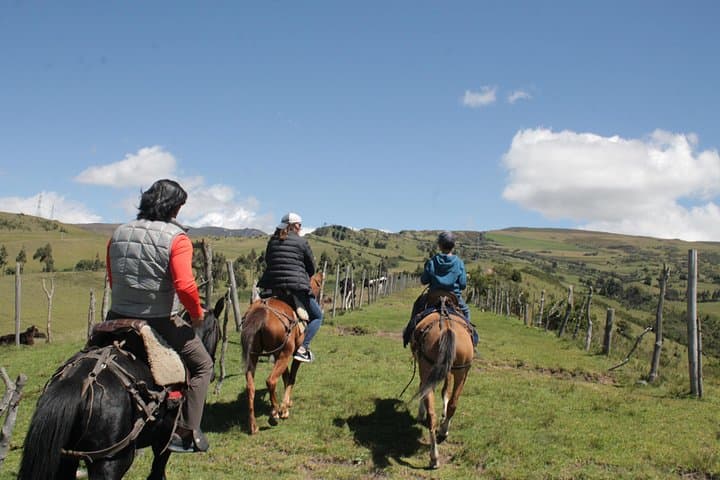
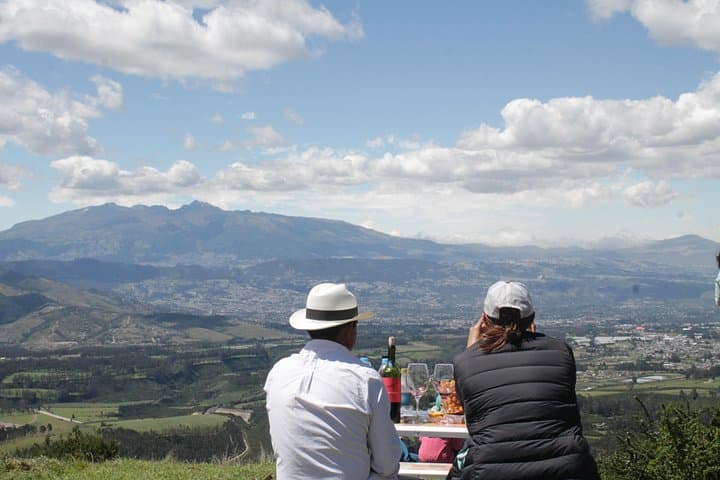
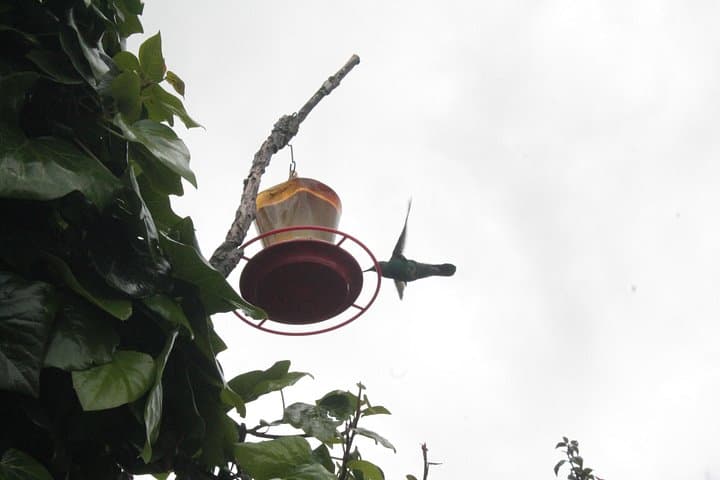
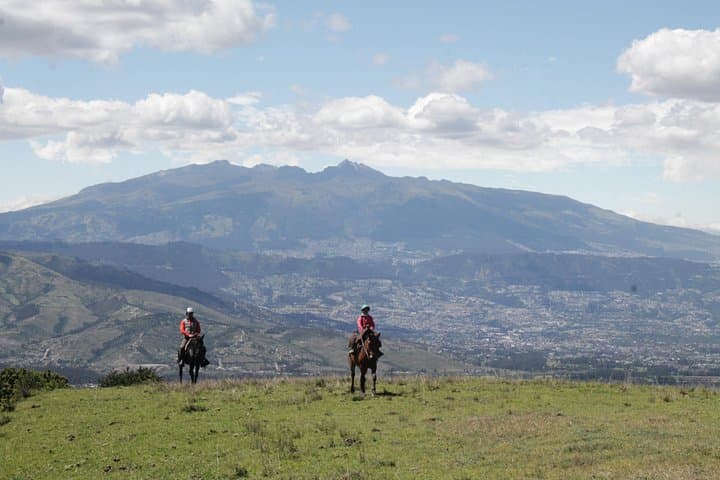
The ride itself is simple and rewarding—1–2 hours on secondary roads and farm tracks that wind past terraces, small towns and viewpoints. The terrain is mostly gentle, with occasional stretches that ask for quiet balance; horses are trained for novice riders and guides will provide basic instruction. Midday, a local lunch at Colibrí Garden uses produce from a home plot while hummingbirds—sparkling violetears and trainbearers—thread the air near feeders.
Practical notes: allow 6–7 hours for door-to-door logistics, bring layers for variable mountain weather, and acclimate to 2,800–3,200 m elevation if you’re coming from sea level. The tour manages transport and a bottle of water; wear closed-toe shoes, carry sunscreen, and leave time in your itinerary if you need an airport drop-off afterward.
Yes—horses are typically docile and guides give basic instruction; rides on secondary roads are paced for beginners.
Yes—operators can return you to Quito or be dropped at Mariscal Sucre Airport if timed to your flight (confirm in advance).
The Pifo area sits in the highlands (roughly 2,800–3,200 m); mild symptoms like shortness of breath or headache can occur—stay hydrated and move slowly if you’re sensitive to altitude.
The trip accepts families; infant seats are available in the transport but infants may need to sit on a parent’s lap—confirm age policies at booking.
Ecuador Local Guide operates guided outdoor trips and adventures with an emphasis on safety, stewardship, and memorable experiences.
The morning air is thin and bright as you climb into the van from Quito, the city dropping behind you while volcanoes—Pichincha, Cotopaxi, the Illinizas—rise like silent sentries ahead. After a short drive into the Pifo highlands you step onto a small rose farm where rows of tall stems catch the equatorial light; the plants seem to lean toward the sun, daring you to walk their arcaded pathways.
The morning air is thin and bright as you climb into the van from Quito, the city dropping behind you while volcanoes—Pichincha, Cotopaxi, the Illinizas—rise like silent sentries ahead. After a short drive into the Pifo highlands you step onto a small rose farm where rows of tall stems catch the equatorial light; the plants seem to lean toward the sun, daring you to walk their arcaded pathways.
Ecuador’s rose industry took off in the late 20th century when high altitude, consistent equatorial sunlight and well-drained volcanic soils combined to produce long stems and vivid color year-round. Here that agricultural history meets traditional highland culture: small-scale growers, organic composting practices, and a rhythm set by sunlight and cool nights.
The ride itself is simple and rewarding—1–2 hours on secondary roads and farm tracks that wind past terraces, small towns and viewpoints. The terrain is mostly gentle, with occasional stretches that ask for quiet balance; horses are trained for novice riders and guides will provide basic instruction. Midday, a local lunch at Colibrí Garden uses produce from a home plot while hummingbirds—sparkling violetears and trainbearers—thread the air near feeders.
Practical notes: allow 6–7 hours for door-to-door logistics, bring layers for variable mountain weather, and acclimate to 2,800–3,200 m elevation if you’re coming from sea level. The tour manages transport and a bottle of water; wear closed-toe shoes, carry sunscreen, and leave time in your itinerary if you need an airport drop-off afterward.