THE ADVENTURE COLLECTIVE® · Independent discovery and booking for outdoor travel

Spend a half-day from Auckland exploring Piha’s dramatic black-sand beach and the multi-tiered Kitekite Falls. This accessible tour combines sweeping coastal views, rugged surf, and a short rainforest walk to a natural swimming hole.
Spend a half-day from Auckland exploring Piha’s dramatic black-sand beach and the multi-tiered Kitekite Falls. This accessible tour combines sweeping coastal views, rugged surf, and a short rainforest walk to a natural swimming hole.
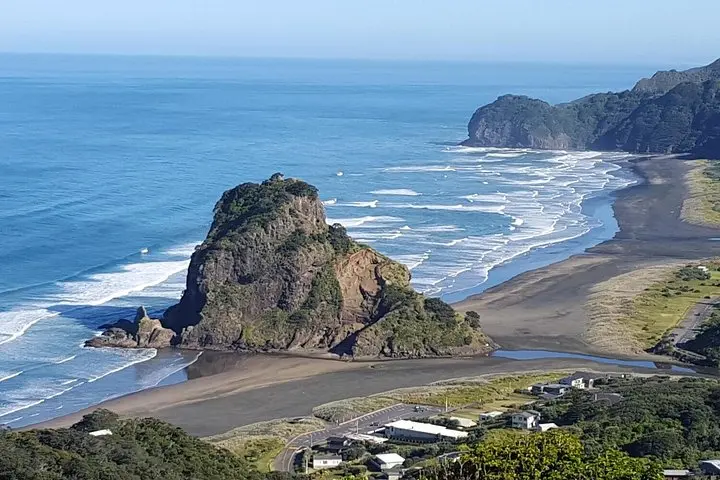
The wind hits first—salt and spray driving across a ribbon of black sand while Lion Rock stands like a weathered guardian above the surf. Walks here begin with the sound of waves and the creak of pohutukawa branches; the coast feels alive, the ocean daring you to get closer while gulls circle overhead.
Verified experiences and guided adventures in the surrounding area.
Operated by ENZOY TOURS · Piha, Auckland
The wind hits first—salt and spray driving across a ribbon of black sand while Lion Rock stands like a weathered guardian above the surf. Walks here begin with the sound of waves and the creak of pohutukawa branches; the coast feels alive, the ocean daring you to get closer while gulls circle overhead.
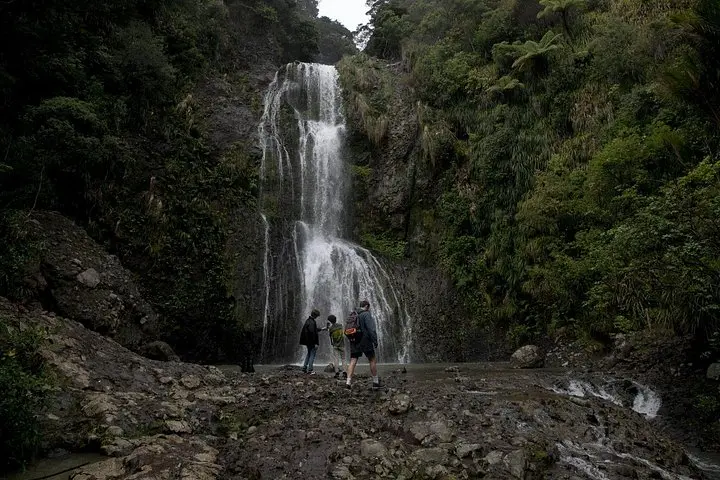
Piha’s black sand is volcanic in origin, ground from ancient lava flows that feed the rugged west coast. The Lion Rock outcrop marks an area of cultural significance to local Māori iwi, and the Waitākere Ranges behind the shore preserve pockets of coastal kauri and broadleaf forest. A short drive inland brings you to Kitekite Falls, where tiers of water thread through fern gullies and plunge into a clear pool—the stream’s current seeming to usher you toward the falls’ base.
Geology, culture and active surf converge on this compact route: volcanic coastline, Māori place names, and track work built into steep rainforest. Expect a mix of beach walking and a well-formed 30–45 minute bush track to the falls, with uneven roots and occasional stone steps.
Practical notes: bring sturdy shoes for the track and grip for slippery rocks, a windproof layer for the coast, and a towel if you plan a dip. Morning light gives softer surf conditions and fewer crowds; check surf and weather reports—West Auckland weather can change fast. Respect local signage, stick to marked tracks to protect kauri, and treat the pools and shoreline with Leave No Trace principles.
The well-maintained return walk from the Piha end takes about 30–45 minutes to the base of the falls, longer if you climb to the top lookout.
Piha has strong surf and rip currents; swim only between flagged areas when lifeguards are present and follow local advice.
Dog rules vary—some sections of Piha and adjacent tracks restrict dogs; check local signage before bringing a pet.
There are car parks near the Piha village; the falls require a short walk on a public track rather than a drive-up access to the pool.
ENZOY TOURS operates guided outdoor trips and adventures with an emphasis on safety, stewardship, and memorable experiences.
The wind hits first—salt and spray driving across a ribbon of black sand while Lion Rock stands like a weathered guardian above the surf. Walks here begin with the sound of waves and the creak of pohutukawa branches; the coast feels alive, the ocean daring you to get closer while gulls circle overhead.
The wind hits first—salt and spray driving across a ribbon of black sand while Lion Rock stands like a weathered guardian above the surf. Walks here begin with the sound of waves and the creak of pohutukawa branches; the coast feels alive, the ocean daring you to get closer while gulls circle overhead.
Piha’s black sand is volcanic in origin, ground from ancient lava flows that feed the rugged west coast. The Lion Rock outcrop marks an area of cultural significance to local Māori iwi, and the Waitākere Ranges behind the shore preserve pockets of coastal kauri and broadleaf forest. A short drive inland brings you to Kitekite Falls, where tiers of water thread through fern gullies and plunge into a clear pool—the stream’s current seeming to usher you toward the falls’ base.
Geology, culture and active surf converge on this compact route: volcanic coastline, Māori place names, and track work built into steep rainforest. Expect a mix of beach walking and a well-formed 30–45 minute bush track to the falls, with uneven roots and occasional stone steps.
Practical notes: bring sturdy shoes for the track and grip for slippery rocks, a windproof layer for the coast, and a towel if you plan a dip. Morning light gives softer surf conditions and fewer crowds; check surf and weather reports—West Auckland weather can change fast. Respect local signage, stick to marked tracks to protect kauri, and treat the pools and shoreline with Leave No Trace principles.