THE ADVENTURE COLLECTIVE® · Independent discovery and booking for outdoor travel

This compact 6–7 day trek from Kathmandu climbs to Pikey (Pike) Peak for sweeping Himalayan panoramas and quiet Sherpa villages. Expect high ridgelines, teahouse nights and essential altitude preparation for a short but rewarding Himalayan experience.
This compact 6–7 day trek from Kathmandu climbs to Pikey (Pike) Peak for sweeping Himalayan panoramas and quiet Sherpa villages. Expect high ridgelines, teahouse nights and essential altitude preparation for a short but rewarding Himalayan experience.
Mornings on the Pike (Pikey) ridge begin with an austere light that strips the valley bare — prayer flags flick and the mountains lean forward as if to whisper directions. From Kathmandu’s crowded streets you climb by road to Dhap, then follow stone steps, rhododendron forests and high ridgelines into quiet Sherpa settlements where teahouses sit like honest waypoints.
Verified experiences and guided adventures in the surrounding area.
Operated by Nepal Mountain Club Pvt Ltd · Kathmandu, Bagmati Province
Mornings on the Pike (Pikey) ridge begin with an austere light that strips the valley bare — prayer flags flick and the mountains lean forward as if to whisper directions. From Kathmandu’s crowded streets you climb by road to Dhap, then follow stone steps, rhododendron forests and high ridgelines into quiet Sherpa settlements where teahouses sit like honest waypoints.
Geologically the trail runs along uplifted Himalayan strata, with moraines and steep cirques marking ancient glacial activity. Culturally the route crosses Sherpa villages where mani walls, small gompas and stacked stone houses reflect centuries of Himalayan life and Tibetan Buddhist practice. You’ll pass terraced fields, yak pastures and viewpoints that, on a clear day, frame Everest among a serried crown of 8000‑metre peaks.
Expect varied terrain: steady climbs of 600–900m on dirt and stone, switchbacks across alpine scrub and short exposed ridgelines to the summit at ~4,065m. The program is compact (6–7 days) with teahouse nights and a professional guide; TIMS and local permits are standard.
Practical edge: pace the ascent, drink often, and carry layers — nights are cold above 3,000m and afternoons can heat quickly. Start summit walks before dawn to avoid wind and catch the best light. Teahouses are basic but reliable; bring cash for tips and simple comforts. With modest fitness, proper footwear and a respect for altitude, Pike Peak delivers big Himalayan panoramas and quiet village encounters in a short, rewarding package.
Yes — TIMS and local entry permits are typically required; reputable operators include these in the package.
Summit reaches ~4,065m; symptoms can appear. Moderate acclimatization and a conservative pace reduce risk. Inform guides of any history of altitude illness.
Basic but functional: shared rooms, simple meals, and limited hot water; bring cash and small comforts like snacks or a headlamp.
Spring (Mar–May) and autumn (Sep–Nov) offer the best weather and visibility; winter is cold and summer monsoon brings heavy rains and slippery trails.
Nepal Mountain Club Pvt Ltd operates guided outdoor trips and adventures with an emphasis on safety, stewardship, and memorable experiences.
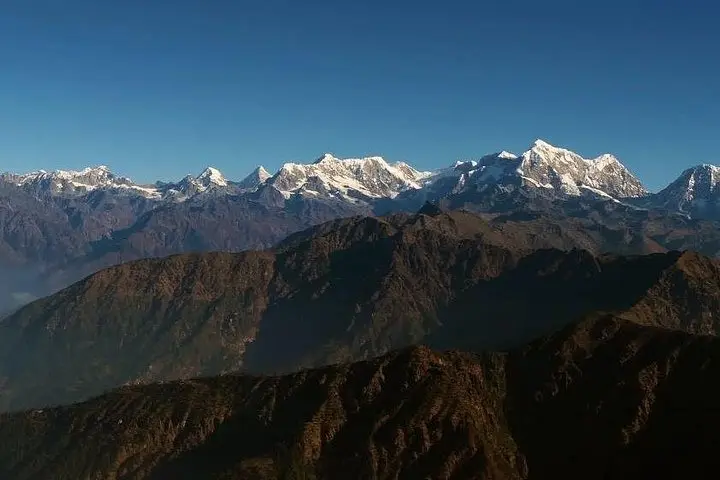
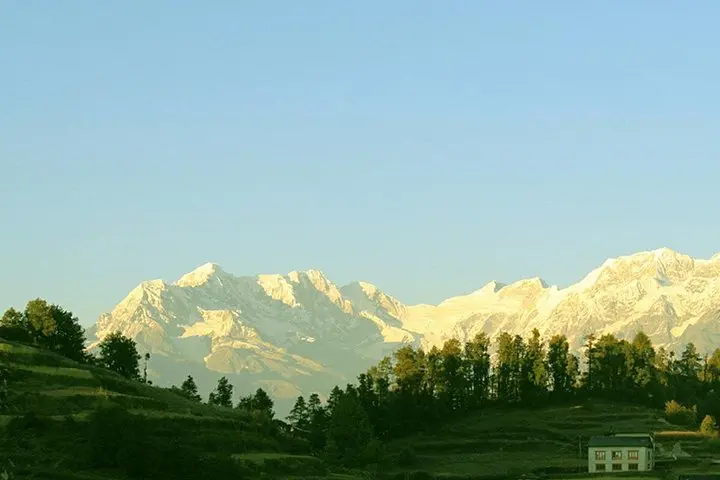
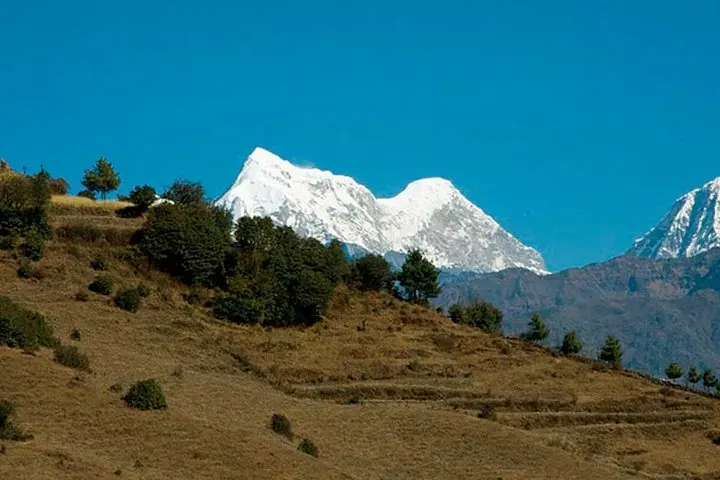
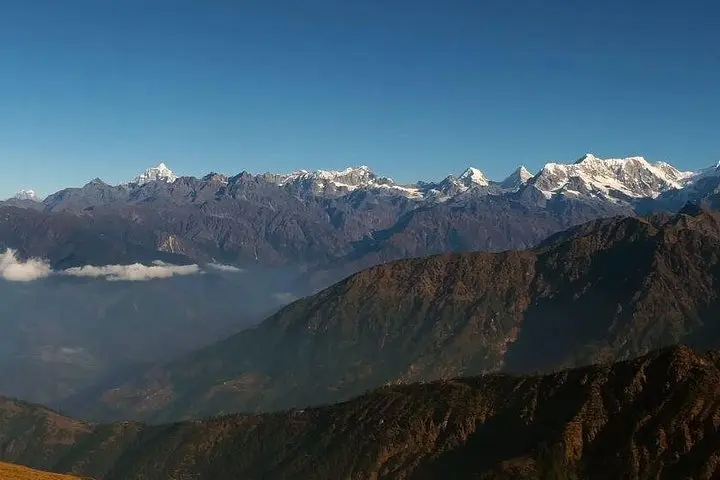
Mornings on the Pike (Pikey) ridge begin with an austere light that strips the valley bare — prayer flags flick and the mountains lean forward as if to whisper directions. From Kathmandu’s crowded streets you climb by road to Dhap, then follow stone steps, rhododendron forests and high ridgelines into quiet Sherpa settlements where teahouses sit like honest waypoints.
Mornings on the Pike (Pikey) ridge begin with an austere light that strips the valley bare — prayer flags flick and the mountains lean forward as if to whisper directions. From Kathmandu’s crowded streets you climb by road to Dhap, then follow stone steps, rhododendron forests and high ridgelines into quiet Sherpa settlements where teahouses sit like honest waypoints.
Geologically the trail runs along uplifted Himalayan strata, with moraines and steep cirques marking ancient glacial activity. Culturally the route crosses Sherpa villages where mani walls, small gompas and stacked stone houses reflect centuries of Himalayan life and Tibetan Buddhist practice. You’ll pass terraced fields, yak pastures and viewpoints that, on a clear day, frame Everest among a serried crown of 8000‑metre peaks.
Expect varied terrain: steady climbs of 600–900m on dirt and stone, switchbacks across alpine scrub and short exposed ridgelines to the summit at ~4,065m. The program is compact (6–7 days) with teahouse nights and a professional guide; TIMS and local permits are standard.
Practical edge: pace the ascent, drink often, and carry layers — nights are cold above 3,000m and afternoons can heat quickly. Start summit walks before dawn to avoid wind and catch the best light. Teahouses are basic but reliable; bring cash for tips and simple comforts. With modest fitness, proper footwear and a respect for altitude, Pike Peak delivers big Himalayan panoramas and quiet village encounters in a short, rewarding package.