THE ADVENTURE COLLECTIVE® · Independent discovery and booking for outdoor travel

A 12‑day private trek that climbs to Pikey Peak (4,065 m) for one of the clearest views of Everest’s eastern skyline. Follow rhododendron forests, Sherpa villages, and tea-house nights with guided porter support.
A 12‑day private trek that climbs to Pikey Peak (4,065 m) for one of the clearest views of Everest’s eastern skyline. Follow rhododendron forests, Sherpa villages, and tea-house nights with guided porter support.
Dawn in the foothills arrives cold and sharp; prayer flags flutter as the trail climbs out of a village and the ridgeline begins to frame the jagged teeth of the eastern Himalaya. On the Private 12-Day Everest-View Pikey Peak Trek you cross rhododendron forests and Sherpa villages, push higher on narrow switchbacks, and stand on the 4,065 m summit where Everest and its neighbors dominate the skyline.
Verified experiences and guided adventures in the surrounding area.
Operated by Happyland Treks · Junbesi, Province No. 1
Dawn in the foothills arrives cold and sharp; prayer flags flutter as the trail climbs out of a village and the ridgeline begins to frame the jagged teeth of the eastern Himalaya. On the Private 12-Day Everest-View Pikey Peak Trek you cross rhododendron forests and Sherpa villages, push higher on narrow switchbacks, and stand on the 4,065 m summit where Everest and its neighbors dominate the skyline.
Geology here is dramatic: these are active, rising ranges of folded sediment and granite thrust up by the India–Eurasia collision. Cultural threads run just as deep—Sherpa monasteries, mani stones, and tea houses continue centuries-old mountain life. The route travels inside the Gaurishankar Conservation Area, where local communities balance grazing, forestry, and tourism.
Practical guidance is straightforward. Expect long walking days (several 6–9 hour treks) and overnight tea-house stays; porter service is usually provided on a shared basis. Acclimatize slowly—your itinerary includes rest and lower-altitude nights for that reason—and carry a water purification method. Footing varies from packed earth to rocky cols; sturdy boots and trekking poles make ascents and descents steadier. Spring (April–May) and autumn (Sept–Nov) offer the clearest mountain views; winter snows close higher paths and summer monsoons bring leeches and clouds.
Plan for variable weather, modest facilities, and rewarding viewpoints. Bring layered clothing, a good sleeping bag, and a flexible pace: the mountains will test your legs and return the favor with panoramas few other treks at this length can match.
Yes — you’ll need the Gaurishankar Conservation Area Permit and a TIMS card, typically arranged by your operator.
The summit day is a 2–3 hour steep hike from base camp with rocky sections; good fitness and steady pacing make it achievable for most trekkers.
Yes — the itinerary uses local tea houses with basic rooms and meals; expect simple bedding and hot meals provided each evening.
Porter service is usually provided on a one-per-two-person basis; pack essentials in a small daypack and confirm luggage limits with the operator.
Happyland Treks operates guided outdoor trips and adventures with an emphasis on safety, stewardship, and memorable experiences.
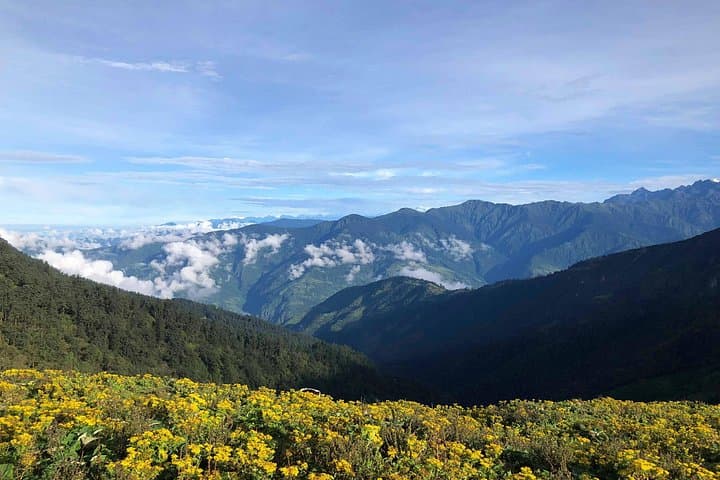
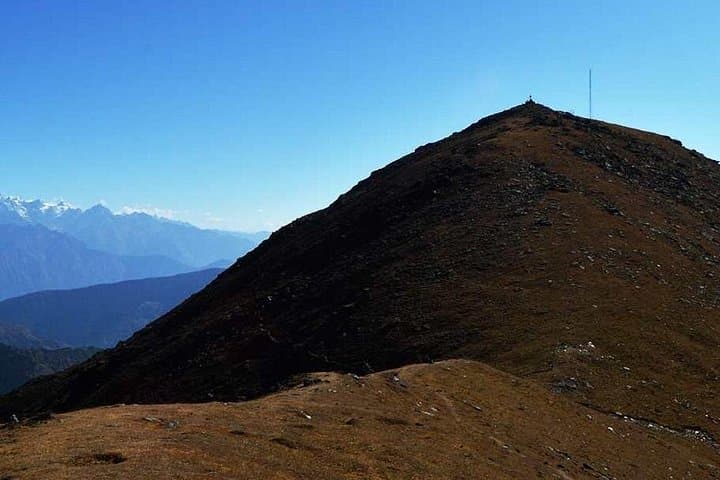
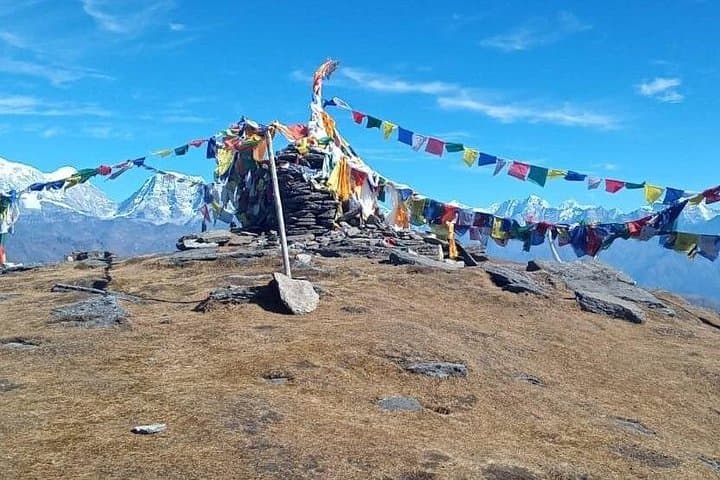
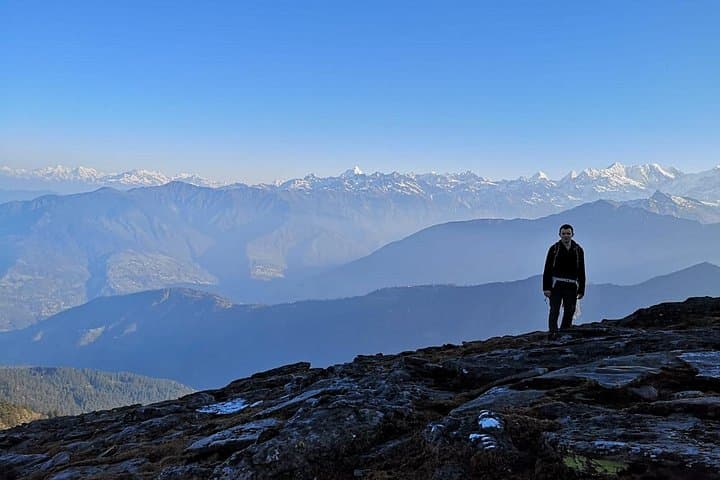
Dawn in the foothills arrives cold and sharp; prayer flags flutter as the trail climbs out of a village and the ridgeline begins to frame the jagged teeth of the eastern Himalaya. On the Private 12-Day Everest-View Pikey Peak Trek you cross rhododendron forests and Sherpa villages, push higher on narrow switchbacks, and stand on the 4,065 m summit where Everest and its neighbors dominate the skyline.
Dawn in the foothills arrives cold and sharp; prayer flags flutter as the trail climbs out of a village and the ridgeline begins to frame the jagged teeth of the eastern Himalaya. On the Private 12-Day Everest-View Pikey Peak Trek you cross rhododendron forests and Sherpa villages, push higher on narrow switchbacks, and stand on the 4,065 m summit where Everest and its neighbors dominate the skyline.
Geology here is dramatic: these are active, rising ranges of folded sediment and granite thrust up by the India–Eurasia collision. Cultural threads run just as deep—Sherpa monasteries, mani stones, and tea houses continue centuries-old mountain life. The route travels inside the Gaurishankar Conservation Area, where local communities balance grazing, forestry, and tourism.
Practical guidance is straightforward. Expect long walking days (several 6–9 hour treks) and overnight tea-house stays; porter service is usually provided on a shared basis. Acclimatize slowly—your itinerary includes rest and lower-altitude nights for that reason—and carry a water purification method. Footing varies from packed earth to rocky cols; sturdy boots and trekking poles make ascents and descents steadier. Spring (April–May) and autumn (Sept–Nov) offer the clearest mountain views; winter snows close higher paths and summer monsoons bring leeches and clouds.
Plan for variable weather, modest facilities, and rewarding viewpoints. Bring layered clothing, a good sleeping bag, and a flexible pace: the mountains will test your legs and return the favor with panoramas few other treks at this length can match.