THE ADVENTURE COLLECTIVE® · Independent discovery and booking for outdoor travel

A moderate 8–9 day trek east of Everest, Pikey Peak delivers a dramatic sunrise over Everest and the Rolwaling range along rhododendron-clad ridges and Sherpa villages. Expect tea-house nights, steady ascents, and high-altitude panoramas with straightforward logistics.
A moderate 8–9 day trek east of Everest, Pikey Peak delivers a dramatic sunrise over Everest and the Rolwaling range along rhododendron-clad ridges and Sherpa villages. Expect tea-house nights, steady ascents, and high-altitude panoramas with straightforward logistics.
You reach the high ridge before dawn and the eastern horizon bleeds gold over a row of peaks; Everest itself sits like a distant, patient giant. The final push to Pikey Peak (4,068 m) is a short, crisp climb from a tea-house saddle where prayer flags snap like wind-driven language. The trail threads through dense rhododendron stands that flare into color in spring and through terraced barley fields and Sherpa villages where children wave from stone courtyards.
Verified experiences and guided adventures in the surrounding area.
Operated by Happyland Treks · Phaplu, Province No. 1
You reach the high ridge before dawn and the eastern horizon bleeds gold over a row of peaks; Everest itself sits like a distant, patient giant. The final push to Pikey Peak (4,068 m) is a short, crisp climb from a tea-house saddle where prayer flags snap like wind-driven language. The trail threads through dense rhododendron stands that flare into color in spring and through terraced barley fields and Sherpa villages where children wave from stone courtyards.
Geologically, Pikey is part of the lesser Himalaya—rounded ridgelines of folded sedimentary rock uplifted by the same collision that birthed Everest. Culturally the route is Sherpa country: mani stones, chortens and mani walls mark villages such as Junbesi and Phaplu, and local monasteries preserve a living mountain way of life. The area lies within or adjacent to protected zones tied to Gaurishankar Conservation objectives, so permits and TIMS cards are standard.
Practically: plan 8–9 days from Kathmandu with steady daily gains to allow acclimatization. Expect mixed terrain—packed earth, stone steps, occasional scree—so reliable boots and trekking poles matter. Nights are in simple tea houses; sleep clothing should be warm and compact. Hydration, sun protection and staged pace are non-negotiable—altitude often surprises the fit. Weather can swing fast; dawn views are best early before winds build. For a moderate multi-day trek that rewards with expansive eastern Himalayan panoramas and intimate cultural exchanges, Pikey delivers big views with uncomplicated logistics.
Yes—Trekkers Information Management System (TIMS) and relevant national park or conservation area permits are required and usually arranged by your operator.
Moderate: physical preparation and prior day-hiking experience help; the itinerary includes acclimatization time to reduce altitude issues.
Tea-house lodges with basic rooms and shared bathrooms; meals are simple, carbohydrate-rich and local—expect dal, rice and noodles.
Clear mornings in spring (March–May) and autumn (September–November) offer the most reliable visibility for sunrise vistas of Everest and the eastern Himalayan chain.
Happyland Treks operates guided outdoor trips and adventures with an emphasis on safety, stewardship, and memorable experiences.
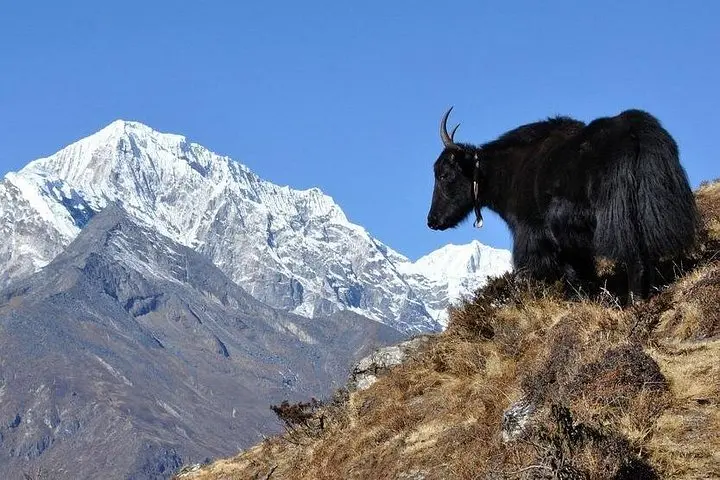
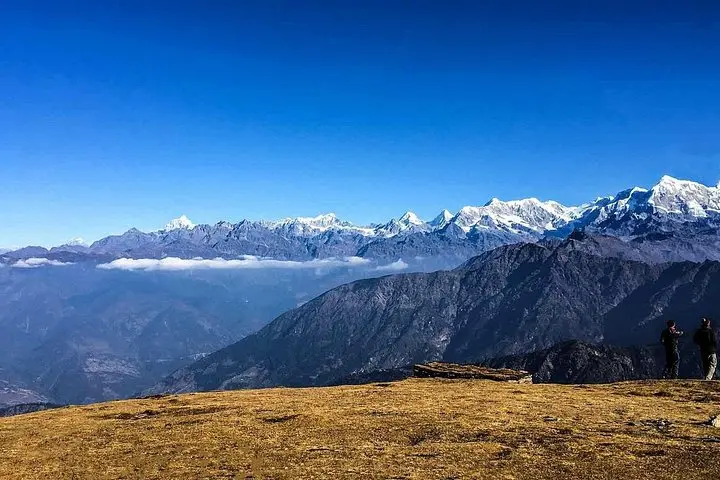
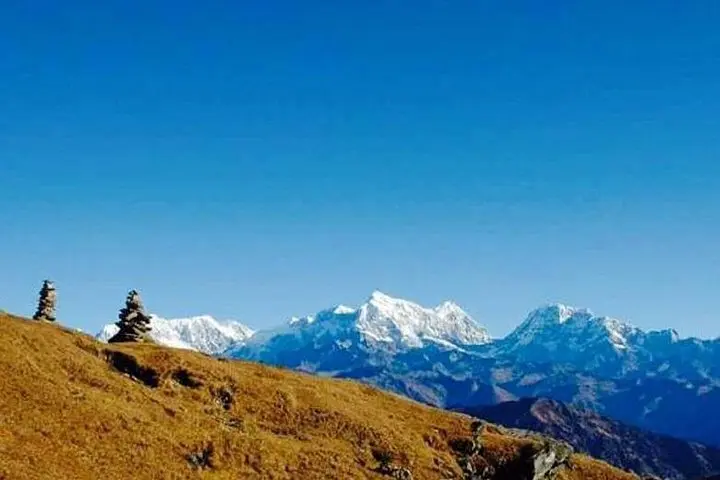
You reach the high ridge before dawn and the eastern horizon bleeds gold over a row of peaks; Everest itself sits like a distant, patient giant. The final push to Pikey Peak (4,068 m) is a short, crisp climb from a tea-house saddle where prayer flags snap like wind-driven language. The trail threads through dense rhododendron stands that flare into color in spring and through terraced barley fields and Sherpa villages where children wave from stone courtyards.
You reach the high ridge before dawn and the eastern horizon bleeds gold over a row of peaks; Everest itself sits like a distant, patient giant. The final push to Pikey Peak (4,068 m) is a short, crisp climb from a tea-house saddle where prayer flags snap like wind-driven language. The trail threads through dense rhododendron stands that flare into color in spring and through terraced barley fields and Sherpa villages where children wave from stone courtyards.
Geologically, Pikey is part of the lesser Himalaya—rounded ridgelines of folded sedimentary rock uplifted by the same collision that birthed Everest. Culturally the route is Sherpa country: mani stones, chortens and mani walls mark villages such as Junbesi and Phaplu, and local monasteries preserve a living mountain way of life. The area lies within or adjacent to protected zones tied to Gaurishankar Conservation objectives, so permits and TIMS cards are standard.
Practically: plan 8–9 days from Kathmandu with steady daily gains to allow acclimatization. Expect mixed terrain—packed earth, stone steps, occasional scree—so reliable boots and trekking poles matter. Nights are in simple tea houses; sleep clothing should be warm and compact. Hydration, sun protection and staged pace are non-negotiable—altitude often surprises the fit. Weather can swing fast; dawn views are best early before winds build. For a moderate multi-day trek that rewards with expansive eastern Himalayan panoramas and intimate cultural exchanges, Pikey delivers big views with uncomplicated logistics.