THE ADVENTURE COLLECTIVE® · Independent discovery and booking for outdoor travel

Short on days but hungry for big Himalayan views? The Pikey Peak Trek delivers a front-row sunrise over Everest, Kanchenjunga and more in a compact multi-day route through Sherpa villages, rhododendron forest and high yak pastures. Practical, accessible and rich in culture, it’s a top choice for trekkers seeking dramatic panoramas without a long commitment.
Short on days but hungry for big Himalayan views? The Pikey Peak Trek delivers a front-row sunrise over Everest, Kanchenjunga and more in a compact multi-day route through Sherpa villages, rhododendron forest and high yak pastures. Practical, accessible and rich in culture, it’s a top choice for trekkers seeking dramatic panoramas without a long commitment.
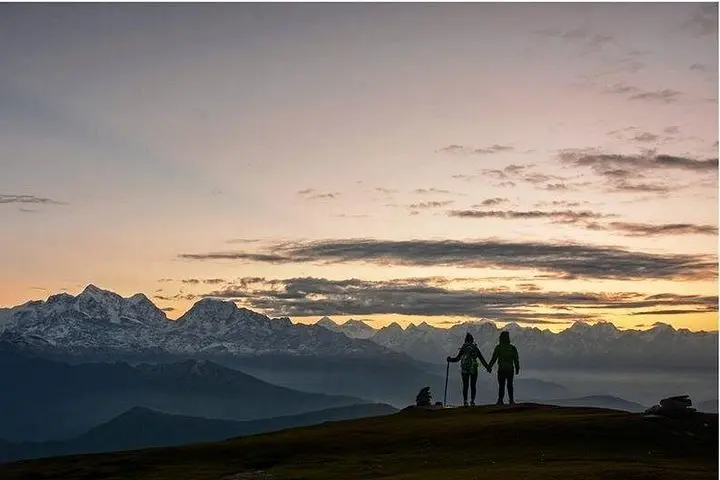
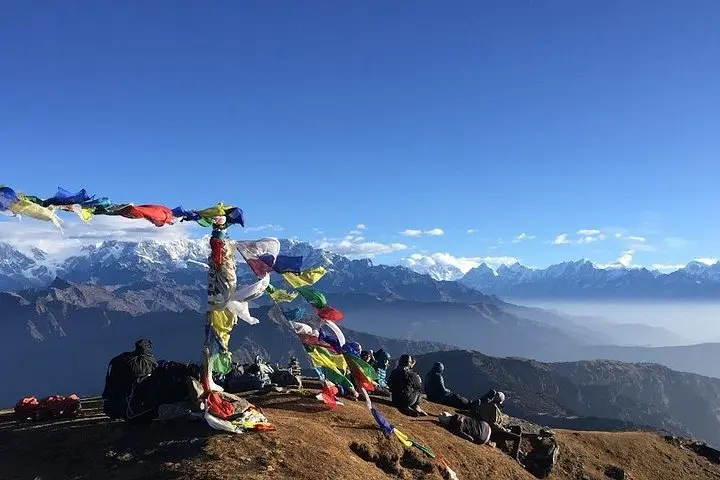
Dawn arrives cold and crisp above a ridge of prayer flags; the world below is a sweep of green valleys and, beyond them, the serrated crowns of the high Himalaya. On the Pikey Peak Trek you stand on a shoulder of land that dares you to watch the sunrise tilt light across Everest, Kanchenjunga and the range in between — a view usually reserved for longer expeditions, delivered here in compact, walkable stages.
Verified experiences and guided adventures in the surrounding area.
Operated by Asian Heritage Treks and Travels · Junbesi, Province No. 1
Dawn arrives cold and crisp above a ridge of prayer flags; the world below is a sweep of green valleys and, beyond them, the serrated crowns of the high Himalaya. On the Pikey Peak Trek you stand on a shoulder of land that dares you to watch the sunrise tilt light across Everest, Kanchenjunga and the range in between — a view usually reserved for longer expeditions, delivered here in compact, walkable stages.
Geologically the trail climbs from sub-tropical foothills into a high alpine mosaic of rhododendron forest, pasture and moraine-sculpted ridgelines. The route runs through Sherpa villages like Junbesi and Salleri where gompas and mani walls mark centuries of Himalayan Buddhism; Pikey itself is named for a local deity and is traditionally the site of seasonal pilgrimages and lama-led ceremonies during monsoon months.
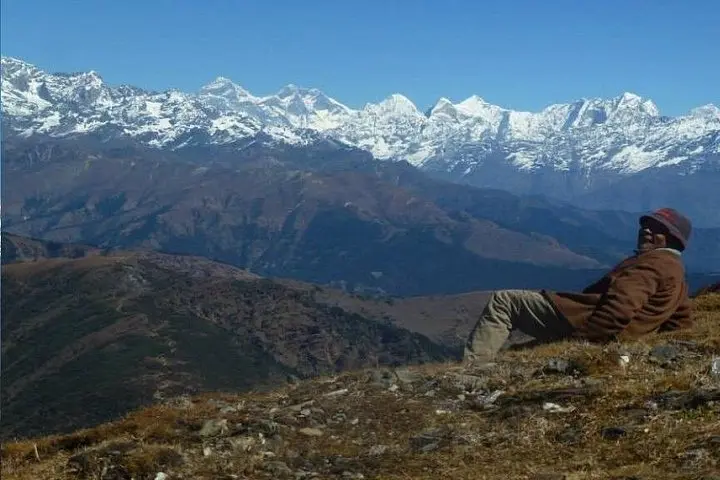
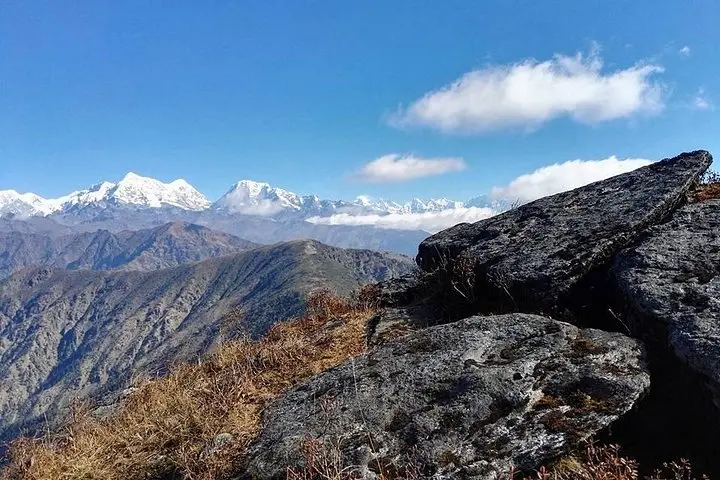
Expect dusty roads, steep forested switchbacks and open yak pastures that reveal the range in sudden frames. Temperatures swing quickly with elevation; mornings are crystalline, afternoons warm and wind can sharpen on the summit ridge.
Practical bits: acclimatize gradually — your itinerary puts nights between 2,300–4,065 m — and allow extra time if you feel short of breath. Pack layered insulation, a reliable pair of boots and a headlamp for early starts. Hydrate well and eat calories: local lodges provide simple, hearty meals but snacks keep energy steady on long climbs. Guides and porters handle navigation and camp logistics, leaving you to focus on the climb and the sunrise that unfolds like a slow, deliberate revelation.
No technical experience is required, but you should be comfortable with multi-day hikes and ascending to elevations above 4,000 m; follow acclimatization guidance.
Spring (March–May) and autumn (September–November) offer the clearest mountain views and stable weather; monsoon can obscure peaks and winter brings cold and possible snow on the ridge.
Simple local lodges with shared bathrooms and basic meals; in Kathmandu the trip includes 4-star hotel nights before and after the trek.
Yes — the itinerary lists an English-speaking licensed trekking guide and porter service at a ratio of 1 porter per 2 trekkers.
Asian Heritage Treks and Travels operates guided outdoor trips and adventures with an emphasis on safety, stewardship, and memorable experiences.
Dawn arrives cold and crisp above a ridge of prayer flags; the world below is a sweep of green valleys and, beyond them, the serrated crowns of the high Himalaya. On the Pikey Peak Trek you stand on a shoulder of land that dares you to watch the sunrise tilt light across Everest, Kanchenjunga and the range in between — a view usually reserved for longer expeditions, delivered here in compact, walkable stages.
Dawn arrives cold and crisp above a ridge of prayer flags; the world below is a sweep of green valleys and, beyond them, the serrated crowns of the high Himalaya. On the Pikey Peak Trek you stand on a shoulder of land that dares you to watch the sunrise tilt light across Everest, Kanchenjunga and the range in between — a view usually reserved for longer expeditions, delivered here in compact, walkable stages.
Geologically the trail climbs from sub-tropical foothills into a high alpine mosaic of rhododendron forest, pasture and moraine-sculpted ridgelines. The route runs through Sherpa villages like Junbesi and Salleri where gompas and mani walls mark centuries of Himalayan Buddhism; Pikey itself is named for a local deity and is traditionally the site of seasonal pilgrimages and lama-led ceremonies during monsoon months.
Expect dusty roads, steep forested switchbacks and open yak pastures that reveal the range in sudden frames. Temperatures swing quickly with elevation; mornings are crystalline, afternoons warm and wind can sharpen on the summit ridge.
Practical bits: acclimatize gradually — your itinerary puts nights between 2,300–4,065 m — and allow extra time if you feel short of breath. Pack layered insulation, a reliable pair of boots and a headlamp for early starts. Hydrate well and eat calories: local lodges provide simple, hearty meals but snacks keep energy steady on long climbs. Guides and porters handle navigation and camp logistics, leaving you to focus on the climb and the sunrise that unfolds like a slow, deliberate revelation.