THE ADVENTURE COLLECTIVE® · Independent discovery and booking for outdoor travel

A short but high-reward trek in Nepal’s Solu-Khumbu, Pikey Peak delivers one of the best panoramic sunrises over Everest and neighboring giants. This ten-day itinerary mixes long drives, tea-house nights, and an alpine summit at 4,065 m.
A short but high-reward trek in Nepal’s Solu-Khumbu, Pikey Peak delivers one of the best panoramic sunrises over Everest and neighboring giants. This ten-day itinerary mixes long drives, tea-house nights, and an alpine summit at 4,065 m.
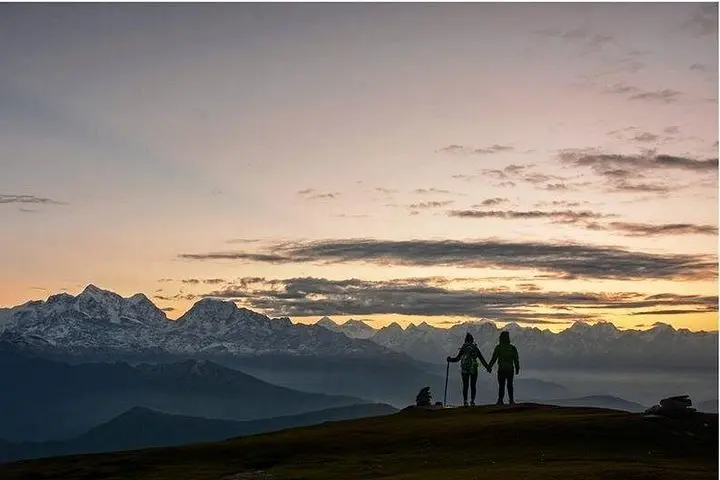
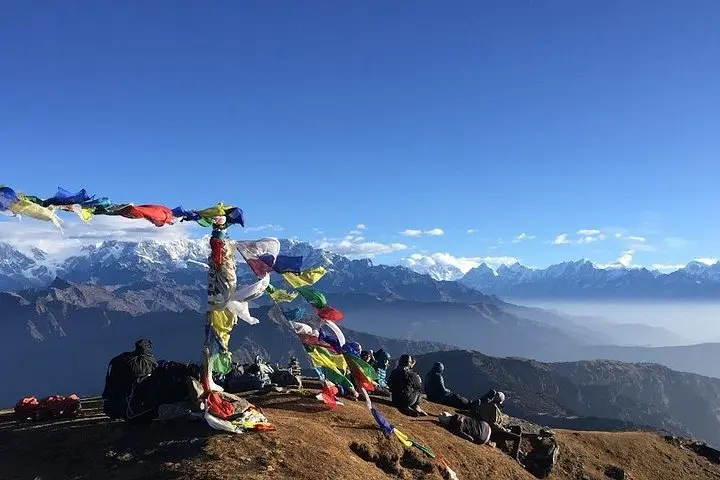
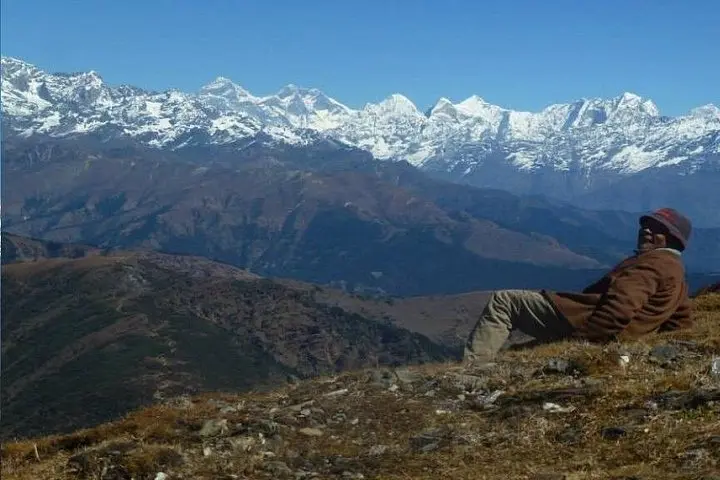
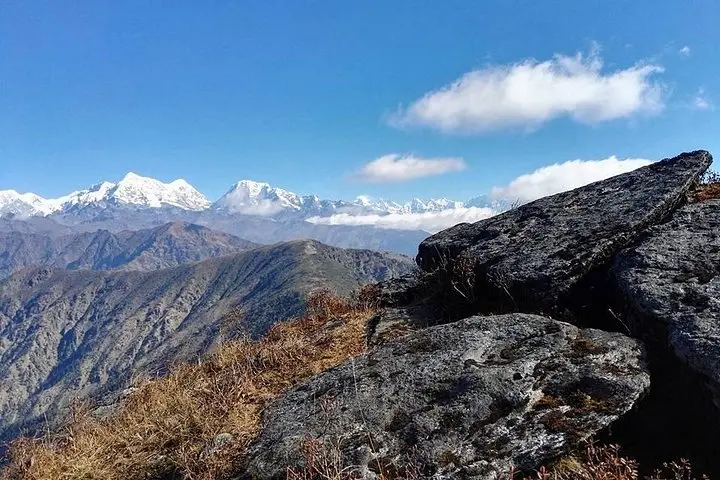
A cold, thin light arrives at 4,000 meters and the ridge wakes: prayer flags snap like small voices and the Himalayan skyline ignites in stages. From Pikey Peak the horizon reads like a who’s-who of giants — Everest, Kanchenjunga, Manaslu and Gaurishankar — each silhouette stepping forward as the sun climbs.
Verified experiences and guided adventures in the surrounding area.
Operated by Asian Heritage Treks and Travels · Salleri, Province No. 1
A cold, thin light arrives at 4,000 meters and the ridge wakes: prayer flags snap like small voices and the Himalayan skyline ignites in stages. From Pikey Peak the horizon reads like a who’s-who of giants — Everest, Kanchenjunga, Manaslu and Gaurishankar — each silhouette stepping forward as the sun climbs.
The route threads through the Solu-Khumbu’s layered story: river valleys cut by ancient glaciers, rhododendron forests that flush red in spring, and Sherpa villages whose mani stones and chortens mark trade routes and clan rites. Pikey itself was a seasonal pilgrimage hill for local Sherpas who once carried prayer flags and offerings to honor their clan deity; today it’s a short-trek favorite that still preserves that cultural cadence.
Geologically the view is a catalogue of uplifted rock and distant ice, where monsoon-fed clouds press against the crests and then spill into the valleys. Culturally, tea houses in Junbesi and Salleri offer simple shelter and a chance to hear lama chants or taste yak cheese made nearby.
Practical guide: the summit hits about 4,065 m and the itinerary runs ten days with several long driving segments and 4–7 hour hiking days; acclimatize during the Dhap and Jhapre approaches. Trails are dirt and stone with steep, short climbs through forests and pasture; footwear with good grip is essential. Start pre-dawn for sunrise, carry layered insulation against alpine winds, and drink often — altitude, not distance, is the real challenge. Respect prayer walls and local customs; leave no trace and pack out what you bring in.
Yes — TIMS and local permits are handled by operators and included in many package itineraries; independent trekkers should obtain TIMS and check local entry requirements.
Spring (March–May) and autumn (September–November) offer the clearest skies and stable weather; monsoon months are rainy and winter brings deep snow at the summit.
The last climb is steep but non-technical; loose scree and altitude make it strenuous, so take steady, slow steps and watch for wind exposure.
Tea houses are basic but serviceable — expect shared facilities in smaller stops and simple meals; the itinerary includes several nights in lodges and one 4-star hotel in Kathmandu.
Asian Heritage Treks and Travels operates guided outdoor trips and adventures with an emphasis on safety, stewardship, and memorable experiences.
A cold, thin light arrives at 4,000 meters and the ridge wakes: prayer flags snap like small voices and the Himalayan skyline ignites in stages. From Pikey Peak the horizon reads like a who’s-who of giants — Everest, Kanchenjunga, Manaslu and Gaurishankar — each silhouette stepping forward as the sun climbs.
A cold, thin light arrives at 4,000 meters and the ridge wakes: prayer flags snap like small voices and the Himalayan skyline ignites in stages. From Pikey Peak the horizon reads like a who’s-who of giants — Everest, Kanchenjunga, Manaslu and Gaurishankar — each silhouette stepping forward as the sun climbs.
The route threads through the Solu-Khumbu’s layered story: river valleys cut by ancient glaciers, rhododendron forests that flush red in spring, and Sherpa villages whose mani stones and chortens mark trade routes and clan rites. Pikey itself was a seasonal pilgrimage hill for local Sherpas who once carried prayer flags and offerings to honor their clan deity; today it’s a short-trek favorite that still preserves that cultural cadence.
Geologically the view is a catalogue of uplifted rock and distant ice, where monsoon-fed clouds press against the crests and then spill into the valleys. Culturally, tea houses in Junbesi and Salleri offer simple shelter and a chance to hear lama chants or taste yak cheese made nearby.
Practical guide: the summit hits about 4,065 m and the itinerary runs ten days with several long driving segments and 4–7 hour hiking days; acclimatize during the Dhap and Jhapre approaches. Trails are dirt and stone with steep, short climbs through forests and pasture; footwear with good grip is essential. Start pre-dawn for sunrise, carry layered insulation against alpine winds, and drink often — altitude, not distance, is the real challenge. Respect prayer walls and local customs; leave no trace and pack out what you bring in.