THE ADVENTURE COLLECTIVE® · Independent discovery and booking for outdoor travel

Ascend Pilatus by panoramic cable car, return on the world’s steepest cogwheel railway, and glide across Lake Lucerne — all in one day. This guided loop pairs engineering feats with alpine views and lakeside culture.
Ascend Pilatus by panoramic cable car, return on the world’s steepest cogwheel railway, and glide across Lake Lucerne — all in one day. This guided loop pairs engineering feats with alpine views and lakeside culture.
A crisp morning mist lifts off Lake Lucerne as the cable car begins its ascent, the valley shrinking into a patchwork of rooftops and water. Wind whips around the gondola; alpine ridges sharpen and the air tastes of stone and pine. At the summit, cliffs and pastures open to views that make directions redundant—you orient by peaks and the sweep of the lake below.
Verified experiences and guided adventures in the surrounding area.
Operated by TREVOPEDIA · Lucerne, Canton of Lucerne
A crisp morning mist lifts off Lake Lucerne as the cable car begins its ascent, the valley shrinking into a patchwork of rooftops and water. Wind whips around the gondola; alpine ridges sharpen and the air tastes of stone and pine. At the summit, cliffs and pastures open to views that make directions redundant—you orient by peaks and the sweep of the lake below.
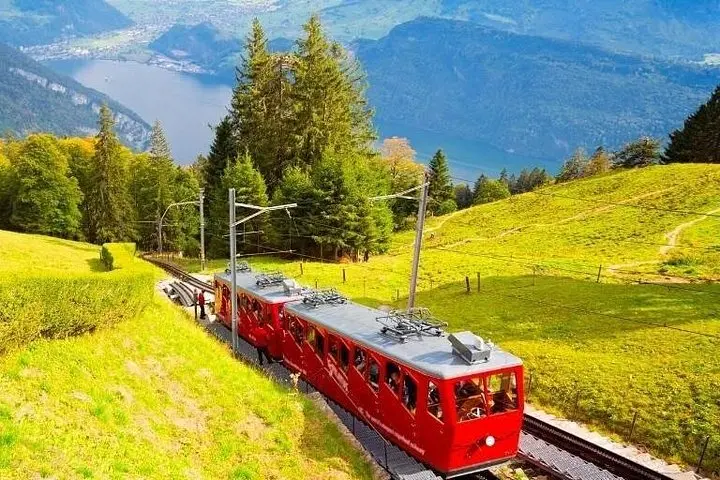
Pilatus has long been drawn on maps of myth and strategic value: medieval chroniclers linked it to Pontius Pilate, while later centuries used its slopes for grazing and early tourism. Geologically, the massif is a compact block of limestone and conglomerates shaped by glacial scraping; the cogwheel railway—still the steepest in the world—threads through meadows and rock outcrops, an engineering answer to the mountain’s grade.
Culturally, Lucerne’s lakeside towns feed the Pilatus itinerary with baroque churches, market squares and a small-town hospitality that contrasts the rawness of the summit. Local cafés serve rye breads, alpine cheese and coffee strong enough for mountain weather.
Practical guidance: plan for a full-day outing (9–10 hours), arriving early to avoid crowds. Wear sturdy shoes—the summit paths vary from paved viewpoints to rocky short trails—and pack layers for sudden wind and sun. Bring a refillable bottle; water is available at cafés but mountain air dehydrates. If you prefer less walking, cable car and cogwheel options minimize exertion while still delivering dramatic panoramas. Expect some queueing at cable car and boat boarding points during high season; bookings often bundle transport from Zurich or Lucerne. Accessibility is generally good, but check seasonal schedules and the tour’s mobility notes before booking.
The full itinerary runs about 9–10 hours including transport, summit time, cogwheel descent and the lake cruise.
The cogwheel railway typically operates in warmer months; cable cars and alternative access may run in shoulder seasons—check seasonal timetables.
The tour lists wheelchair-accessible options for transport and many surfaces, but contact the operator before booking to arrange assistance.
Meals are not included; there are cafés at the summit and villages where you can buy food, or bring snacks for flexibility.
TREVOPEDIA operates guided outdoor trips and adventures with an emphasis on safety, stewardship, and memorable experiences.
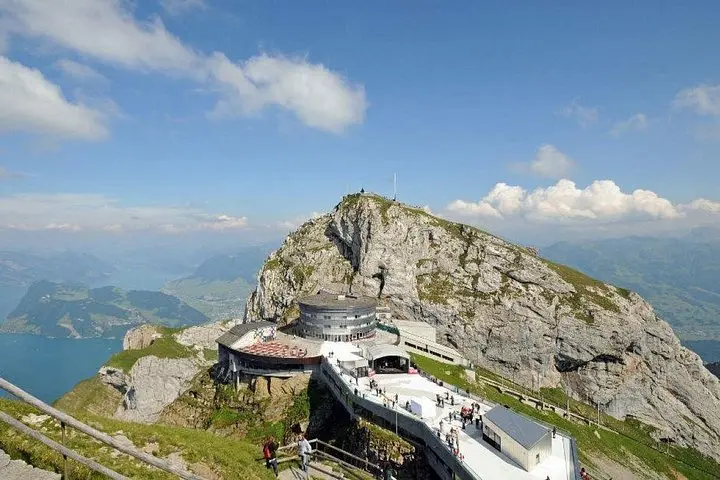
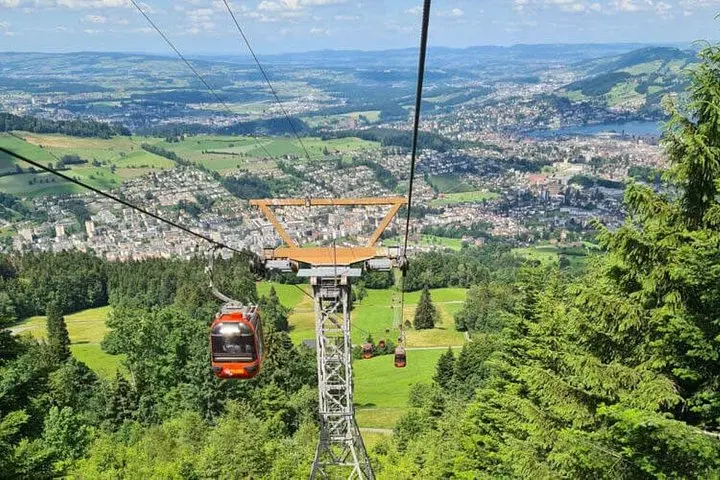
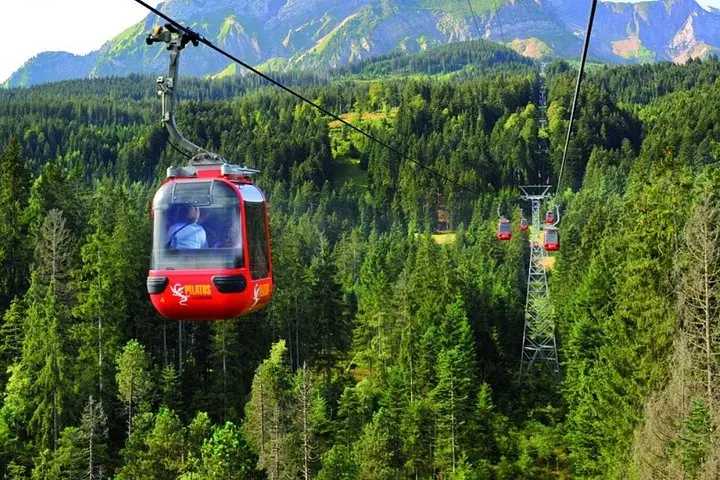
A crisp morning mist lifts off Lake Lucerne as the cable car begins its ascent, the valley shrinking into a patchwork of rooftops and water. Wind whips around the gondola; alpine ridges sharpen and the air tastes of stone and pine. At the summit, cliffs and pastures open to views that make directions redundant—you orient by peaks and the sweep of the lake below.
A crisp morning mist lifts off Lake Lucerne as the cable car begins its ascent, the valley shrinking into a patchwork of rooftops and water. Wind whips around the gondola; alpine ridges sharpen and the air tastes of stone and pine. At the summit, cliffs and pastures open to views that make directions redundant—you orient by peaks and the sweep of the lake below.
Pilatus has long been drawn on maps of myth and strategic value: medieval chroniclers linked it to Pontius Pilate, while later centuries used its slopes for grazing and early tourism. Geologically, the massif is a compact block of limestone and conglomerates shaped by glacial scraping; the cogwheel railway—still the steepest in the world—threads through meadows and rock outcrops, an engineering answer to the mountain’s grade.
Culturally, Lucerne’s lakeside towns feed the Pilatus itinerary with baroque churches, market squares and a small-town hospitality that contrasts the rawness of the summit. Local cafés serve rye breads, alpine cheese and coffee strong enough for mountain weather.
Practical guidance: plan for a full-day outing (9–10 hours), arriving early to avoid crowds. Wear sturdy shoes—the summit paths vary from paved viewpoints to rocky short trails—and pack layers for sudden wind and sun. Bring a refillable bottle; water is available at cafés but mountain air dehydrates. If you prefer less walking, cable car and cogwheel options minimize exertion while still delivering dramatic panoramas. Expect some queueing at cable car and boat boarding points during high season; bookings often bundle transport from Zurich or Lucerne. Accessibility is generally good, but check seasonal schedules and the tour’s mobility notes before booking.