THE ADVENTURE COLLECTIVE® · Independent discovery and booking for outdoor travel

Explore Jaipur’s lively markets on a private shopping tour that moves from block-printed textiles to gemstone alleys. Expect hands-on craft stops, bargaining culture, and practical tips for navigating crowded lanes.
Explore Jaipur’s lively markets on a private shopping tour that moves from block-printed textiles to gemstone alleys. Expect hands-on craft stops, bargaining culture, and practical tips for navigating crowded lanes.
You step off the shaded car and the lane opens into a chorus of color: bolts of block-printed cotton, tiers of mirror-work lehengas, and rows of leather mojari that seem to dare you to choose. The markets of Jaipur are kinetic—lanes hum with vendors calling prices, rickshaws threading past, and the scent of spice and diesel braided together.
Verified experiences and guided adventures in the surrounding area.
Operated by Pink City Guide · Jaipur, Rajasthan
You step off the shaded car and the lane opens into a chorus of color: bolts of block-printed cotton, tiers of mirror-work lehengas, and rows of leather mojari that seem to dare you to choose. The markets of Jaipur are kinetic—lanes hum with vendors calling prices, rickshaws threading past, and the scent of spice and diesel braided together.
Jaipur’s streets reflect a clear history: the city plan laid by Maharaja Sawai Jai Singh II in 1727, its uniform façades later painted pink in 1876 to greet a visiting prince. Geologically the city sits near the Aravalli foothills, its traditional stonework and local clays influencing pottery and architecture. Culturally, Jaipur built an economy around crafts—bandhani dyeing, block printing from Sanganer, blue-pottery, and gem cutting in Johari Bazaar—skills passed through generations.
On a shopping tour you’ll move between covered bazaars and small factory outlets, guided toward specialties and away from tourist traps. Expect practical rhythms: start in the cooler morning or late afternoon, keep purchases small enough to carry, and test fabric and measurements before paying. Bargaining is normal—ask for 30–40% off the first quoted price—and many shops accept cards but small stalls prefer cash.
This private-route tour typically includes short drives between markets and bottled water, making it accessible for most travelers. Bring comfortable shoes, small bills, and a light bag; keep an eye on peak heat and crowded lanes. With a little patience and curiosity, Jaipur’s markets reward both finders and bargainers.
Typical duration is 3–5 hours, covering several markets with short drives between key stops.
Yes—bargaining is normal in Jaipur markets; start lower than the first price and aim for 30–40% off as a negotiation range.
Local shop prices usually include applicable taxes, but confirm for larger purchases like jewellery or textiles; receipts are often available.
This tour generally includes private transportation between markets and bottled water, making it easier to navigate the city’s lanes.
Pink City Guide operates guided outdoor trips and adventures with an emphasis on safety, stewardship, and memorable experiences.
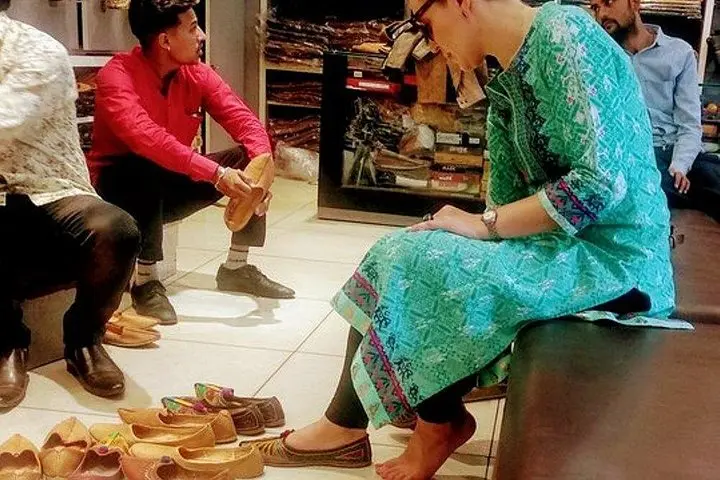
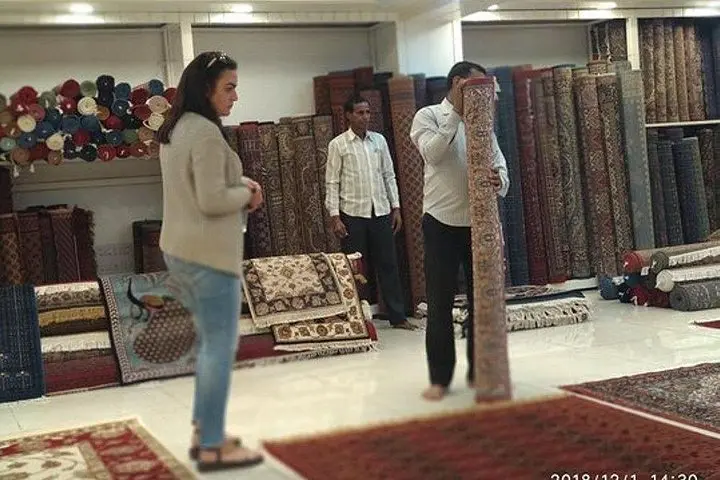
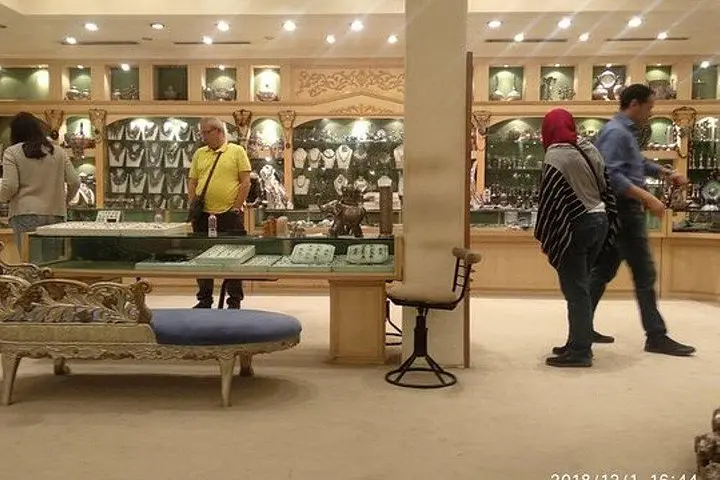
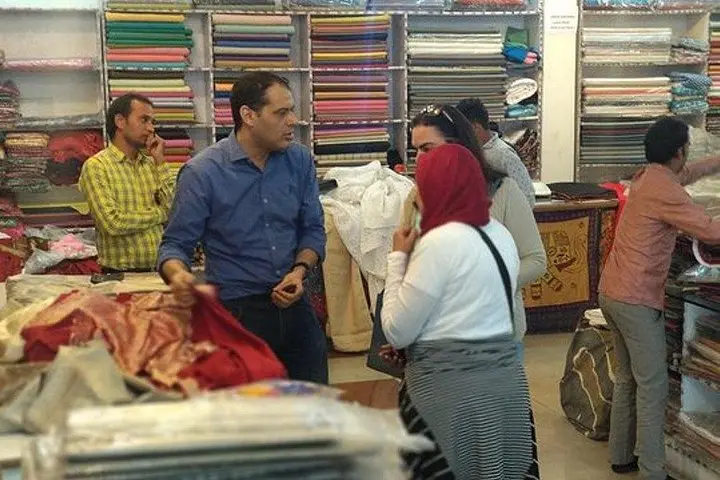
You step off the shaded car and the lane opens into a chorus of color: bolts of block-printed cotton, tiers of mirror-work lehengas, and rows of leather mojari that seem to dare you to choose. The markets of Jaipur are kinetic—lanes hum with vendors calling prices, rickshaws threading past, and the scent of spice and diesel braided together.
You step off the shaded car and the lane opens into a chorus of color: bolts of block-printed cotton, tiers of mirror-work lehengas, and rows of leather mojari that seem to dare you to choose. The markets of Jaipur are kinetic—lanes hum with vendors calling prices, rickshaws threading past, and the scent of spice and diesel braided together.
Jaipur’s streets reflect a clear history: the city plan laid by Maharaja Sawai Jai Singh II in 1727, its uniform façades later painted pink in 1876 to greet a visiting prince. Geologically the city sits near the Aravalli foothills, its traditional stonework and local clays influencing pottery and architecture. Culturally, Jaipur built an economy around crafts—bandhani dyeing, block printing from Sanganer, blue-pottery, and gem cutting in Johari Bazaar—skills passed through generations.
On a shopping tour you’ll move between covered bazaars and small factory outlets, guided toward specialties and away from tourist traps. Expect practical rhythms: start in the cooler morning or late afternoon, keep purchases small enough to carry, and test fabric and measurements before paying. Bargaining is normal—ask for 30–40% off the first quoted price—and many shops accept cards but small stalls prefer cash.
This private-route tour typically includes short drives between markets and bottled water, making it accessible for most travelers. Bring comfortable shoes, small bills, and a light bag; keep an eye on peak heat and crowded lanes. With a little patience and curiosity, Jaipur’s markets reward both finders and bargainers.