THE ADVENTURE COLLECTIVE® · Independent discovery and booking for outdoor travel

Walk the rows where cinnamon and cardamom grow, then turn those field lessons into a hands-on cookery demo. This Pinnawala tour pairs botany with practical Sri Lankan cooking and a shared lunch.
Walk the rows where cinnamon and cardamom grow, then turn those field lessons into a hands-on cookery demo. This Pinnawala tour pairs botany with practical Sri Lankan cooking and a shared lunch.
Morning light filters through the leaves as you step into a Sri Lankan spice garden—cinnamon bark gleams, cardamom stalks lean like attentive students, and lemongrass scents the air, daring you to learn its secrets.
Verified experiences and guided adventures in the surrounding area.
Operated by Lakpura LLC · Pinnawala, Sabaragamuwa Province
Morning light filters through the leaves as you step into a Sri Lankan spice garden—cinnamon bark gleams, cardamom stalks lean like attentive students, and lemongrass scents the air, daring you to learn its secrets.
This half-day experience begins in Pinnawala, a rural corridor between Kandy and Colombo where spice cultivation has shaped local livelihoods for centuries. Sri Lanka’s role in the global spice trade dates back millennia; here soils of weathered laterite and alluvial patches favor cinnamon, pepper, and vanilla, while monsoon rhythms dictate planting and harvest. Local growers will walk you through bed-to-bottle processes: how seedlings are selected, when bark is peeled for cinnamon, and which leaf oils hold medicinal value.
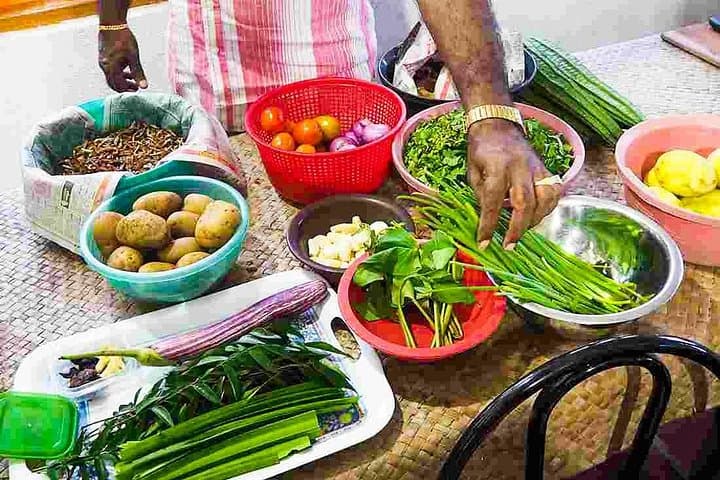
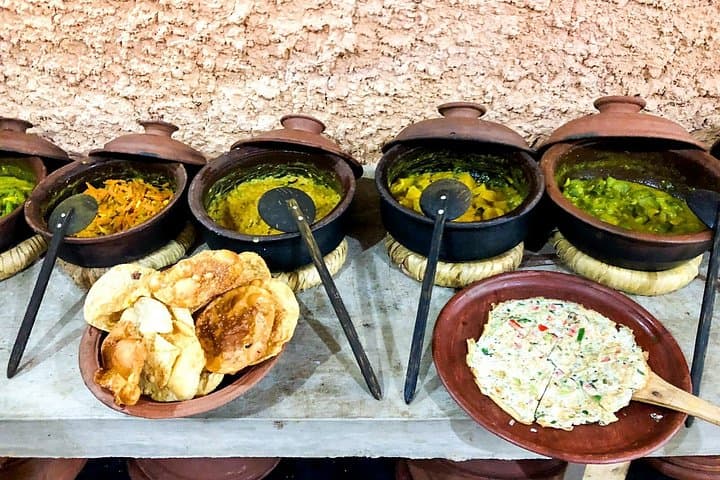
The chef-led demonstration translates those field lessons into the kitchen. Expect hands-on practice with traditional curry bases—tempering mustard seeds, grinding fresh masala, and balancing coconut’s richness with tamarind’s tang—followed by a communal lunch featuring dhal and a chicken curry you helped prepare.
Practicalities: the garden paths are informal—bring sun protection and closed-toe shoes. The site commonly sells fresh spice packets; small cash purchases are typical. Tours run about three to four hours, suitable for most fitness levels, and are private when booked that way. If you have food allergies or dietary preferences, notify the operator in advance.
This is part garden walk, part culinary workshop: expect sensory learning, practical technique, and the immediate reward of tasting the connection between soil and spice.
Yes—many gardens operate a small shop selling freshly dried spices and blends; bring cash and ask staff about storage and origin.
Yes, demonstrations are designed for travelers with no culinary training; you’ll try basic tasks like grinding masala and stirring curries under guidance.
Children are typically welcome but must be supervised; infants are usually required to sit on laps during cooking and lunch sections.
The full experience is about three to four hours; many operators offer transfers from nearby cities—confirm pickup details when booking.
Lakpura LLC operates guided outdoor trips and adventures with an emphasis on safety, stewardship, and memorable experiences.
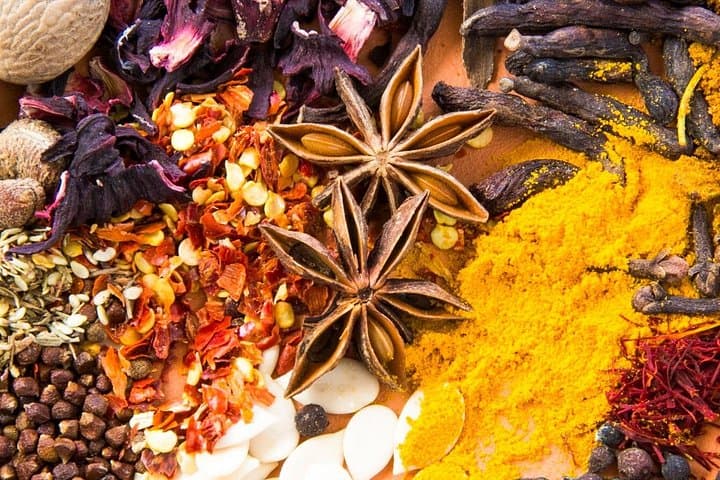
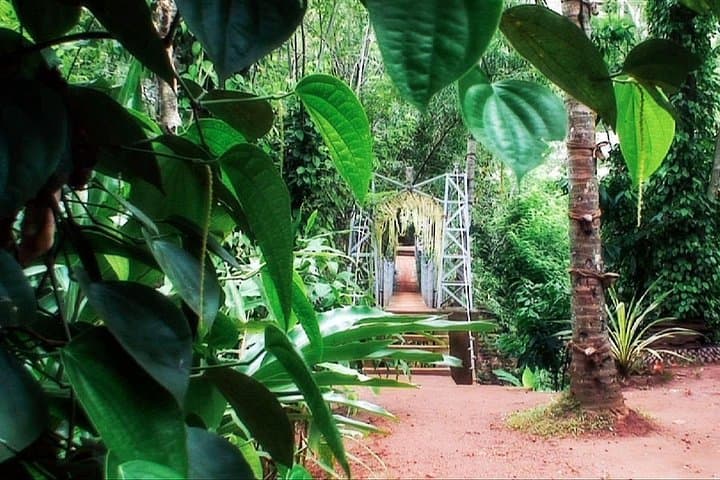
Morning light filters through the leaves as you step into a Sri Lankan spice garden—cinnamon bark gleams, cardamom stalks lean like attentive students, and lemongrass scents the air, daring you to learn its secrets.
Morning light filters through the leaves as you step into a Sri Lankan spice garden—cinnamon bark gleams, cardamom stalks lean like attentive students, and lemongrass scents the air, daring you to learn its secrets.
This half-day experience begins in Pinnawala, a rural corridor between Kandy and Colombo where spice cultivation has shaped local livelihoods for centuries. Sri Lanka’s role in the global spice trade dates back millennia; here soils of weathered laterite and alluvial patches favor cinnamon, pepper, and vanilla, while monsoon rhythms dictate planting and harvest. Local growers will walk you through bed-to-bottle processes: how seedlings are selected, when bark is peeled for cinnamon, and which leaf oils hold medicinal value.
The chef-led demonstration translates those field lessons into the kitchen. Expect hands-on practice with traditional curry bases—tempering mustard seeds, grinding fresh masala, and balancing coconut’s richness with tamarind’s tang—followed by a communal lunch featuring dhal and a chicken curry you helped prepare.
Practicalities: the garden paths are informal—bring sun protection and closed-toe shoes. The site commonly sells fresh spice packets; small cash purchases are typical. Tours run about three to four hours, suitable for most fitness levels, and are private when booked that way. If you have food allergies or dietary preferences, notify the operator in advance.
This is part garden walk, part culinary workshop: expect sensory learning, practical technique, and the immediate reward of tasting the connection between soil and spice.