THE ADVENTURE COLLECTIVE® · Independent discovery and booking for outdoor travel

A seven-day high-altitude circuit through the Pir Panjal range that links Mughal-era roads, alpine meadows and a chain of blue-hued lakes. Expect steady ascents, boulder fields and mixed terrain with guided camps and mule support.
A seven-day high-altitude circuit through the Pir Panjal range that links Mughal-era roads, alpine meadows and a chain of blue-hued lakes. Expect steady ascents, boulder fields and mixed terrain with guided camps and mule support.
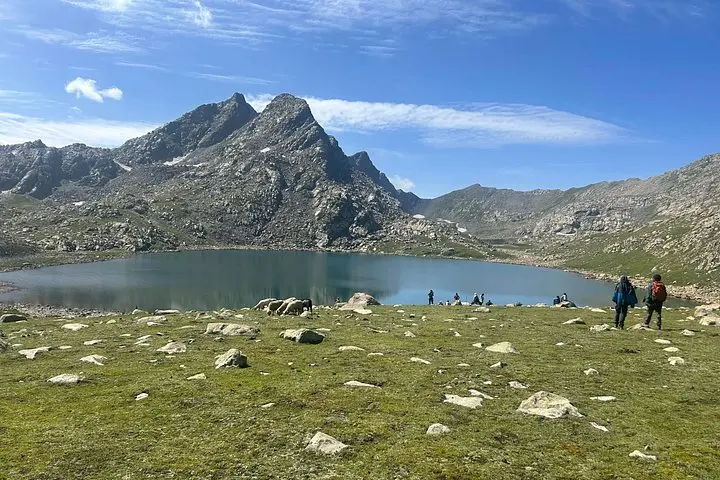
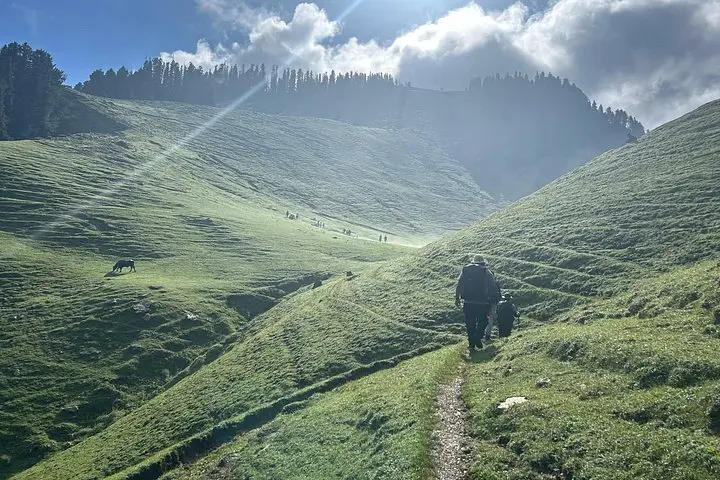
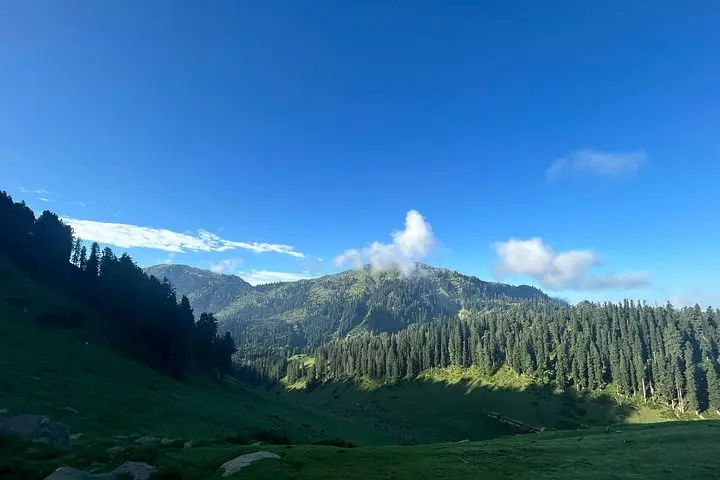
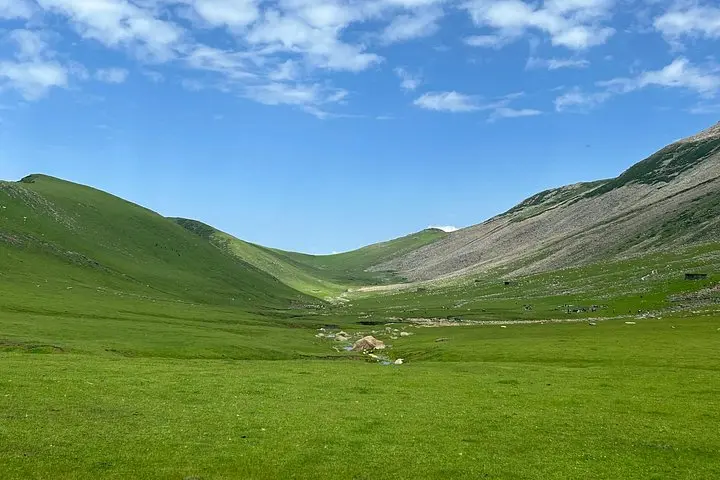
A cold breeze from the ridge cuts across the meadow as trekkers tighten their packs and watch the first light hit the blue rims of high alpine lakes. The Pir Panjal circuit moves like a slow pulse here—sheep tracks, shepherd doks, and the steady murmur of streams guiding you toward Neelsar, Chandansar and the Kaldachini pass.
Verified experiences and guided adventures in the surrounding area.
Operated by Himalaya Shelter · Srinagar, Jammu & Kashmir
A cold breeze from the ridge cuts across the meadow as trekkers tighten their packs and watch the first light hit the blue rims of high alpine lakes. The Pir Panjal circuit moves like a slow pulse here—sheep tracks, shepherd doks, and the steady murmur of streams guiding you toward Neelsar, Chandansar and the Kaldachini pass.
The route follows old Mughal-era roads into the Pir Panjal range, traversing geological shelves of schist and granite carved by glacial action. Local shepherd culture still shapes the landscape: seasonal kharaks (summer pastures), stone dohks and small shrines attest to centuries of highland life. Peer ki Gali, the pass used historically to cross the range, provides sweeping views of the Kashmir Valley below.
Practically, this is a seven-day, mixed-terrain trek with prolonged ascents, boulder fields and multiple lake camps. Elevation ranges from about 5,200 ft at Chandimarh to roughly 12,925 ft at Chandansar; daily hiking varies from 5–10 km and 5–8 hours. Camps are alpine tents on twin sharing; gear support includes mules for equipment (not personal packs), cooks, and basic medical kit with oximeter.
Plan to trek June–September for snow-free passes, carry layered insulation and waterproof boots for river crossings, and allow two good nights of sleep before high camps for acclimatization. Stay hydrated, pace your ascent, and follow guide instructions on glacier-like boulder sections. The Pir Panjal rewards steady, prepared travelers with luminous lakes, open meadows, and the austere confidence of high places.
The itinerary reaches approximately 12,925 ft (3,939 m) near Chandansar; gradual acclimatization is built into the schedule.
Yes—mule support carries communal camping equipment, but personal luggage should be kept minimal and may not be transported by mules.
June through September offers the most reliable snow-free passes and accessible lakes; shoulder months can bring lingering snow at higher cols.
Prior multi-day trekking and comfort on steep, rocky terrain are strongly recommended due to long daily distances and elevation gain.
Himalaya Shelter operates guided outdoor trips and adventures with an emphasis on safety, stewardship, and memorable experiences.
A cold breeze from the ridge cuts across the meadow as trekkers tighten their packs and watch the first light hit the blue rims of high alpine lakes. The Pir Panjal circuit moves like a slow pulse here—sheep tracks, shepherd doks, and the steady murmur of streams guiding you toward Neelsar, Chandansar and the Kaldachini pass.
A cold breeze from the ridge cuts across the meadow as trekkers tighten their packs and watch the first light hit the blue rims of high alpine lakes. The Pir Panjal circuit moves like a slow pulse here—sheep tracks, shepherd doks, and the steady murmur of streams guiding you toward Neelsar, Chandansar and the Kaldachini pass.
The route follows old Mughal-era roads into the Pir Panjal range, traversing geological shelves of schist and granite carved by glacial action. Local shepherd culture still shapes the landscape: seasonal kharaks (summer pastures), stone dohks and small shrines attest to centuries of highland life. Peer ki Gali, the pass used historically to cross the range, provides sweeping views of the Kashmir Valley below.
Practically, this is a seven-day, mixed-terrain trek with prolonged ascents, boulder fields and multiple lake camps. Elevation ranges from about 5,200 ft at Chandimarh to roughly 12,925 ft at Chandansar; daily hiking varies from 5–10 km and 5–8 hours. Camps are alpine tents on twin sharing; gear support includes mules for equipment (not personal packs), cooks, and basic medical kit with oximeter.
Plan to trek June–September for snow-free passes, carry layered insulation and waterproof boots for river crossings, and allow two good nights of sleep before high camps for acclimatization. Stay hydrated, pace your ascent, and follow guide instructions on glacier-like boulder sections. The Pir Panjal rewards steady, prepared travelers with luminous lakes, open meadows, and the austere confidence of high places.