THE ADVENTURE COLLECTIVE® · Independent discovery and booking for outdoor travel

Walk the port streets of Piraeus where refugees from the 1922 Asia Minor Catastrophe rebuilt lives. This 4–5 hour guided route visits industrial ruins, churches, monuments and finishes with a tavern meal of Minor Asia cuisine.
Walk the port streets of Piraeus where refugees from the 1922 Asia Minor Catastrophe rebuilt lives. This 4–5 hour guided route visits industrial ruins, churches, monuments and finishes with a tavern meal of Minor Asia cuisine.
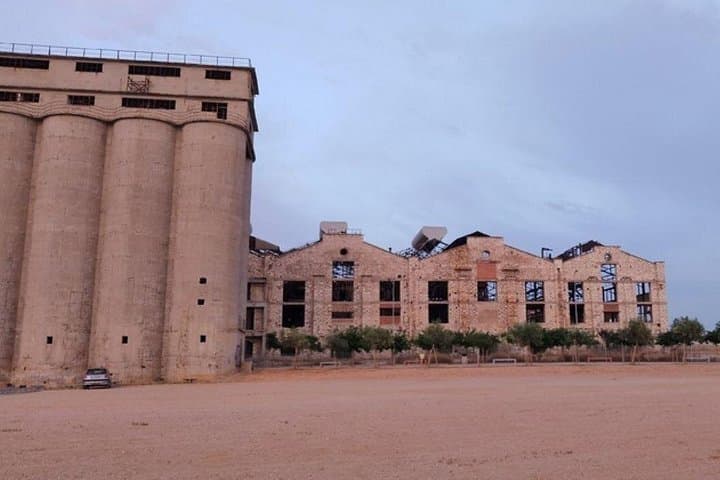
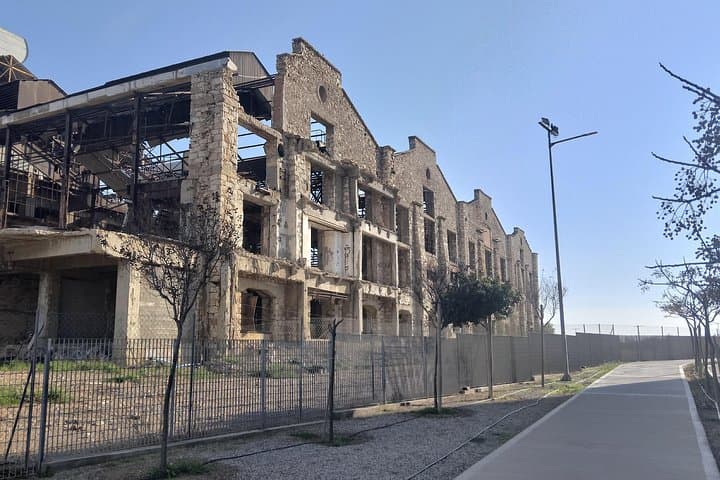
You arrive at the theater staircase in Piraeus and the roar of the harbor sets the tempo — gulls circling, ferries braking, and the sea pressing its case against the quay. The guide holds a blue A4 with names and, within minutes, you are walking through an urban landscape where factory façades, abandoned stations and pocketed churches mark chapters of displacement and adaptation.
Verified experiences and guided adventures in the surrounding area.
Operated by paraskevi zografou · Piraeus, Attica
You arrive at the theater staircase in Piraeus and the roar of the harbor sets the tempo — gulls circling, ferries braking, and the sea pressing its case against the quay. The guide holds a blue A4 with names and, within minutes, you are walking through an urban landscape where factory façades, abandoned stations and pocketed churches mark chapters of displacement and adaptation.
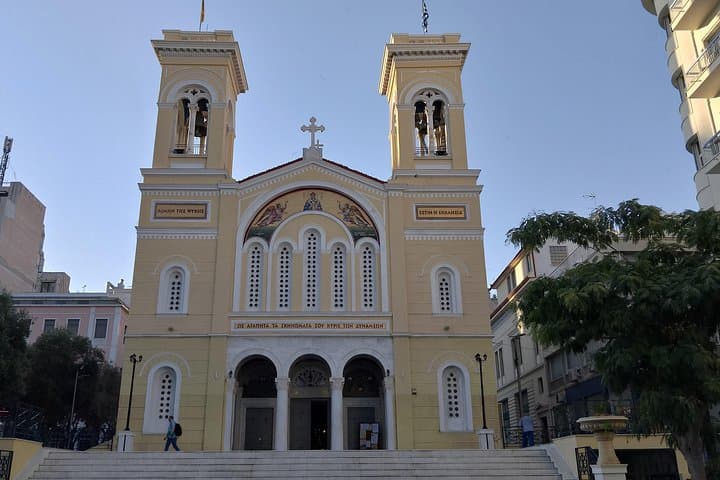
The tour follows the footsteps of Greeks who fled Asia Minor after 1922: families from Smyrna who were settled in Piraeus and reshaped its districts like Drapetsona and Nikaia. Buildings here tell a layered story — 19th-century industrial masonry beside modest refugee housing, Orthodox churches with icons brought from the Aegean coast, and monuments that remember resistance and loss.
Geology matters less than geography: the port’s flat, man-made quays and paved streets make for steady walking, but you’ll encounter staircases, cobbled courtyards and an old stone train station that seems to be holding its breath. The cultural payoff comes in details — recipes in the tavern that trace to Asia Minor kitchens, neighborhood murals that convert memory into color, and small chapels that feel like living archives.
Practical guidance: allow 4–5 hours, wear supportive shoes, and bring water and a hat — summer heats quickly on exposed quays. Public transport reaches the meeting point; the route is mostly accessible but includes uneven surfaces and some stairs. Expect moderate walking, evocative storytelling, and a tavern lunch that closes the loop between history and present-day life in Piraeus.
An in-person guide and the guided walking itinerary; lunch at the tavern is typically not included unless specified.
Parts of the tour are accessible by wheelchair and stroller, but there are cobbles and stairs; it’s not ideal for full accessibility.
Expect several kilometers over 4–5 hours with multiple stops; the pace is conversational, pausing for history and sites.
Yes — infants and small children can join, but the guide notes the route requires moderate mobility and includes stairs.
paraskevi zografou operates guided outdoor trips and adventures with an emphasis on safety, stewardship, and memorable experiences.
You arrive at the theater staircase in Piraeus and the roar of the harbor sets the tempo — gulls circling, ferries braking, and the sea pressing its case against the quay. The guide holds a blue A4 with names and, within minutes, you are walking through an urban landscape where factory façades, abandoned stations and pocketed churches mark chapters of displacement and adaptation.
You arrive at the theater staircase in Piraeus and the roar of the harbor sets the tempo — gulls circling, ferries braking, and the sea pressing its case against the quay. The guide holds a blue A4 with names and, within minutes, you are walking through an urban landscape where factory façades, abandoned stations and pocketed churches mark chapters of displacement and adaptation.
The tour follows the footsteps of Greeks who fled Asia Minor after 1922: families from Smyrna who were settled in Piraeus and reshaped its districts like Drapetsona and Nikaia. Buildings here tell a layered story — 19th-century industrial masonry beside modest refugee housing, Orthodox churches with icons brought from the Aegean coast, and monuments that remember resistance and loss.
Geology matters less than geography: the port’s flat, man-made quays and paved streets make for steady walking, but you’ll encounter staircases, cobbled courtyards and an old stone train station that seems to be holding its breath. The cultural payoff comes in details — recipes in the tavern that trace to Asia Minor kitchens, neighborhood murals that convert memory into color, and small chapels that feel like living archives.
Practical guidance: allow 4–5 hours, wear supportive shoes, and bring water and a hat — summer heats quickly on exposed quays. Public transport reaches the meeting point; the route is mostly accessible but includes uneven surfaces and some stairs. Expect moderate walking, evocative storytelling, and a tavern lunch that closes the loop between history and present-day life in Piraeus.