THE ADVENTURE COLLECTIVE® · Independent discovery and booking for outdoor travel

Pair Piran's salt-scented streets with the subterranean drama of Škocjan Caves on a full-day excursion from Ljubljana. Expect dramatic karst geology, stepped cave paths and a seaside finish with options for a museum or glass-bottom boat.
Pair Piran's salt-scented streets with the subterranean drama of Škocjan Caves on a full-day excursion from Ljubljana. Expect dramatic karst geology, stepped cave paths and a seaside finish with options for a museum or glass-bottom boat.
You step out of the coach into a different scale — salt-bright air on the coast, then the damp hush of a cavern where a subterranean river carves a canyon beneath your feet. This day trip from Ljubljana pairs Piran's Venetian-flavored streets with Škocjan Caves, a UNESCO-listed karst system whose vaulted chambers and bridge-crossing overlooks make the earth feel unexpectedly theatrical.
Verified experiences and guided adventures in the surrounding area.
Operated by Day Trips Slovenia · Ljubljana, Central Slovenia
You step out of the coach into a different scale — salt-bright air on the coast, then the damp hush of a cavern where a subterranean river carves a canyon beneath your feet. This day trip from Ljubljana pairs Piran's Venetian-flavored streets with Škocjan Caves, a UNESCO-listed karst system whose vaulted chambers and bridge-crossing overlooks make the earth feel unexpectedly theatrical.
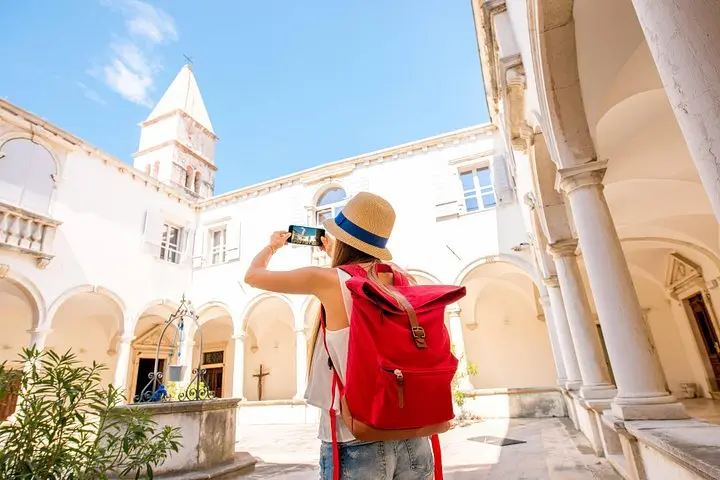
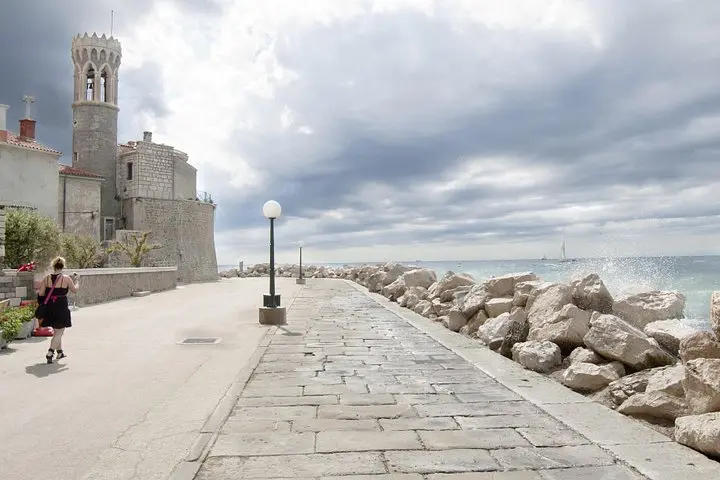
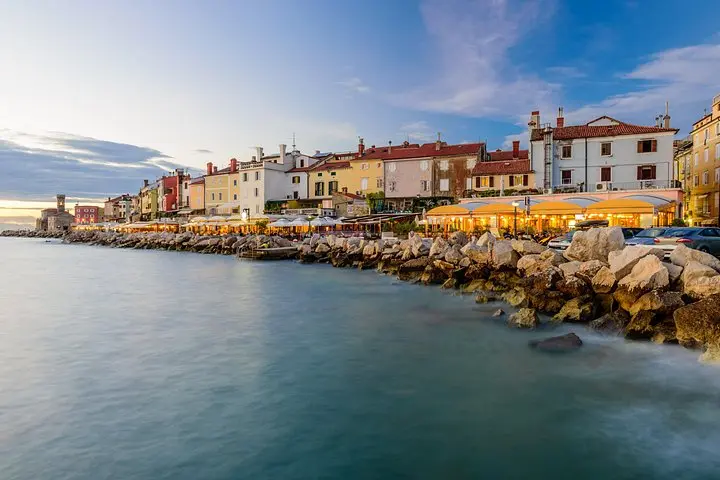
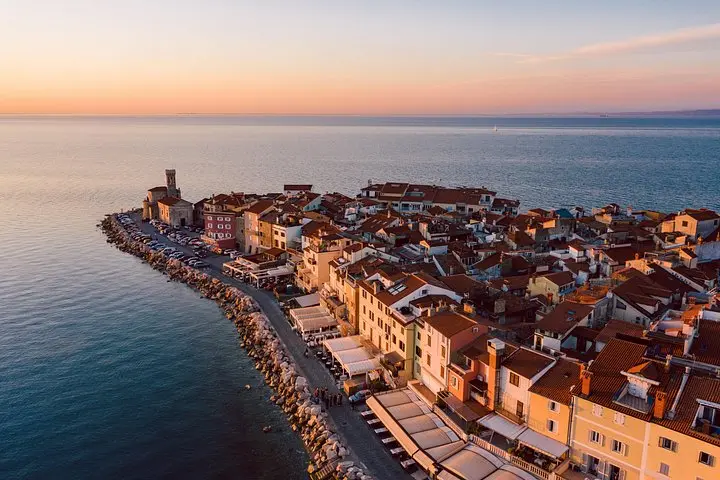
Škocjan's river canyon represents classic Dinaric karst: limestone worn into giant voids, sinkholes and underground passages over millennia. Human curiosity here goes back centuries; naturalists and cave explorers mapped galleries that rewrote how Europe understood subterranean hydrology. Piran, historically tied to salt trade and Venice, offers narrow streets, a compact seafront and the baroque focal point of Tartini Square.
On the ground expect roughly 2–3 km of guided cave walking on stepped and sometimes uneven paths, plus time for a paced seaside stroll and optional museum or short boat trip. Temperatures drop noticeably underground; lighting is dim and trails have handrails in places but include stairs and narrow walkways. Guides explain geology, the river system and local conservation efforts that protect both cave fauna (bats, cave salamanders) and coastal wetlands.
Practical notes: buy cave entry on site if not included, wear sturdy shoes and a light waterproof layer, and carry a daypack with water and snacks. Plan for an 8–10 hour day; timing early in the season reduces crowds. Respect marked paths, keep noise low in caves, and allow time in Piran to absorb the coastal light before the return drive to Ljubljana.
No — the itinerary states cave tickets must be paid on site; bring cash or card and confirm current prices in advance.
The caves include stairs and uneven paths; not recommended for travelers with serious back or heart problems or limited mobility.
Expect roughly 2–3 km of walking within Škocjan spread across stepped paths and viewpoints, typically guided and paced.
Yes — there is time for optional extras in Piran such as the local museum or a short glass-bottom boat trip; these are paid locally and seasonal.
Day Trips Slovenia operates guided outdoor trips and adventures with an emphasis on safety, stewardship, and memorable experiences.
You step out of the coach into a different scale — salt-bright air on the coast, then the damp hush of a cavern where a subterranean river carves a canyon beneath your feet. This day trip from Ljubljana pairs Piran's Venetian-flavored streets with Škocjan Caves, a UNESCO-listed karst system whose vaulted chambers and bridge-crossing overlooks make the earth feel unexpectedly theatrical.
You step out of the coach into a different scale — salt-bright air on the coast, then the damp hush of a cavern where a subterranean river carves a canyon beneath your feet. This day trip from Ljubljana pairs Piran's Venetian-flavored streets with Škocjan Caves, a UNESCO-listed karst system whose vaulted chambers and bridge-crossing overlooks make the earth feel unexpectedly theatrical.
Škocjan's river canyon represents classic Dinaric karst: limestone worn into giant voids, sinkholes and underground passages over millennia. Human curiosity here goes back centuries; naturalists and cave explorers mapped galleries that rewrote how Europe understood subterranean hydrology. Piran, historically tied to salt trade and Venice, offers narrow streets, a compact seafront and the baroque focal point of Tartini Square.
On the ground expect roughly 2–3 km of guided cave walking on stepped and sometimes uneven paths, plus time for a paced seaside stroll and optional museum or short boat trip. Temperatures drop noticeably underground; lighting is dim and trails have handrails in places but include stairs and narrow walkways. Guides explain geology, the river system and local conservation efforts that protect both cave fauna (bats, cave salamanders) and coastal wetlands.
Practical notes: buy cave entry on site if not included, wear sturdy shoes and a light waterproof layer, and carry a daypack with water and snacks. Plan for an 8–10 hour day; timing early in the season reduces crowds. Respect marked paths, keep noise low in caves, and allow time in Piran to absorb the coastal light before the return drive to Ljubljana.