THE ADVENTURE COLLECTIVE® · Independent discovery and booking for outdoor travel

A half-day private bike ride from Abra de Corao to Pisac that descends into the Sacred Valley—combining dramatic viewpoints, a local market visit, and the Pisac archaeological site. Ideal for riders with basic bike-handling skills and a day or two of altitude acclimatization.
A half-day private bike ride from Abra de Corao to Pisac that descends into the Sacred Valley—combining dramatic viewpoints, a local market visit, and the Pisac archaeological site. Ideal for riders with basic bike-handling skills and a day or two of altitude acclimatization.
You push off from Abra de Corao with the valley opening beneath you: terraced fields step down toward the polished ribbon of the Vilcanota River, and the air cools as the descent picks up pace. The trail feels alive—wind threading through corn stalks, cliffs shading stone walls—that sense of moving through a landscape that helped shape Andean life for centuries.
Verified experiences and guided adventures in the surrounding area.
Operated by LimaTours · Pisac, Cusco
You push off from Abra de Corao with the valley opening beneath you: terraced fields step down toward the polished ribbon of the Vilcanota River, and the air cools as the descent picks up pace. The trail feels alive—wind threading through corn stalks, cliffs shading stone walls—that sense of moving through a landscape that helped shape Andean life for centuries.
This half-day private ride links Cusco to Pisac, threading viewpoints and local markets. Pisac’s archaeological complex speaks to Inca engineering: platforms, carved stone enclosures and agricultural terraces clinging to steep slopes. Geologically, the Sacred Valley is a high-Andean corridor carved by the Vilcanota, exposing layers of volcanic and sedimentary rock and producing the steep escarpments you descend.
Culturally, Pisac remains a living market town where Quechua-speaking vendors trade textiles and corn—products tied to millennia of farming on those terraces. Expect locals who balance modern tourism with traditional routines.
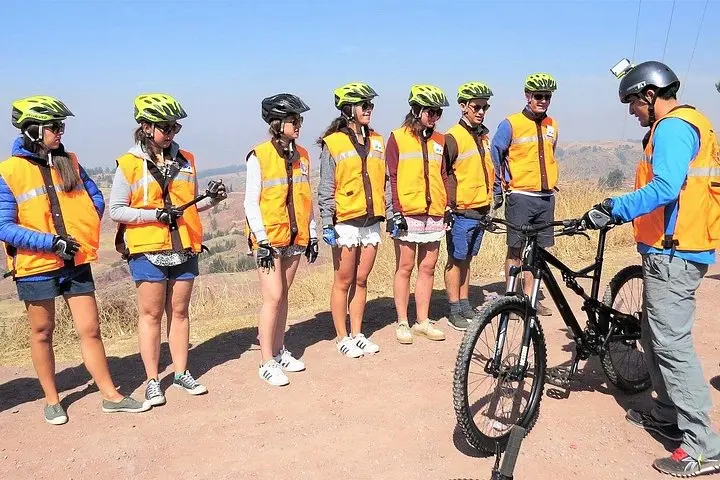
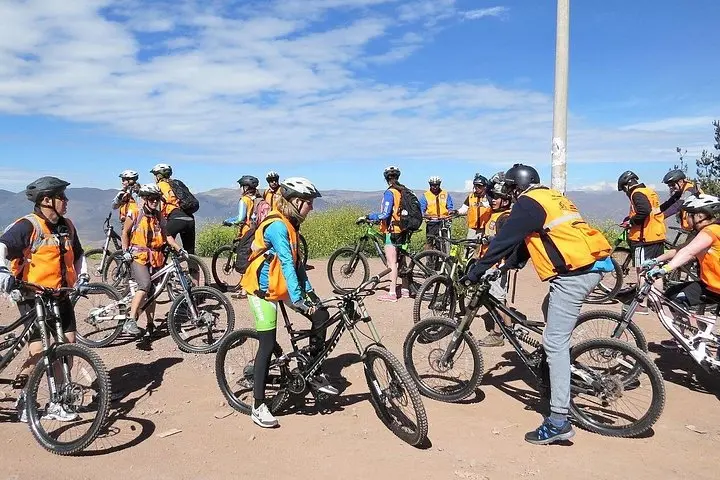
Practical guidance: the tour runs about five hours with mostly downhill singletrack and packed dirt roads; the operator supplies a high-quality bicycle and protective gear. Ride at a controlled pace—braking and line choice matter on loose sections—and give yourself time at the Taray viewpoint for valley orientation and photos. Bring sun protection and a small hydration pack; weather shifts quickly at 3,000+ meters.
This is a manageable, scenic introduction to Sacred Valley cycling: sensory, instructive, and best tackled after a day or two of acclimatization in Cusco.
Yes — entry to the Pisac archaeological site requires the BTC; buy it in Cusco or online from authorized vendors before your visit.
Riders with basic cycling experience can join, but comfort with descending and shifting on mixed surfaces is recommended; operators often assess ability before departure.
Yes — the tour includes a high-quality bicycle, helmet, reflective vest and pads; still bring your preferred gloves and shoes for comfort.
Pisac sits around 3,000–3,400 m; allow 24–48 hours in Cusco to acclimatize, hydrate, and avoid heavy exertion on your first day.
LimaTours operates guided outdoor trips and adventures with an emphasis on safety, stewardship, and memorable experiences.
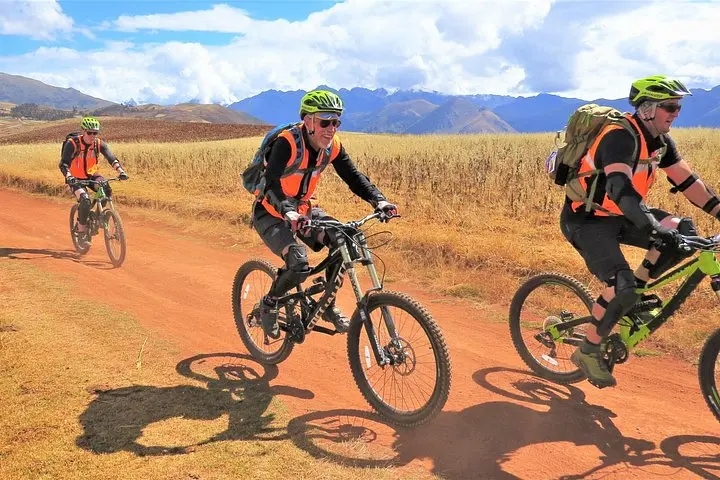
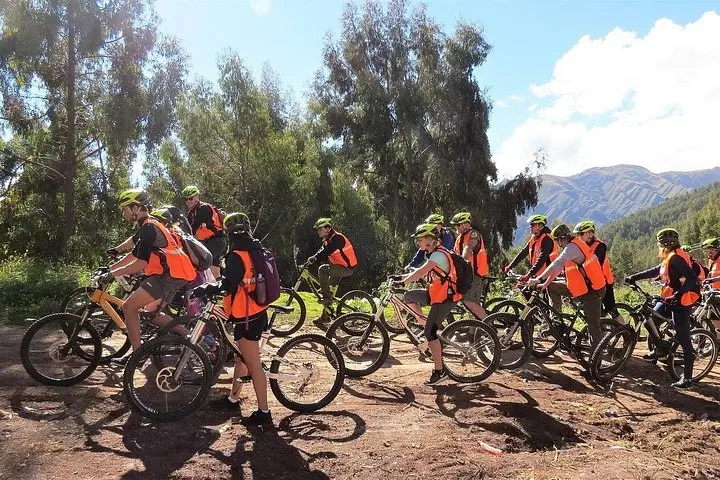
You push off from Abra de Corao with the valley opening beneath you: terraced fields step down toward the polished ribbon of the Vilcanota River, and the air cools as the descent picks up pace. The trail feels alive—wind threading through corn stalks, cliffs shading stone walls—that sense of moving through a landscape that helped shape Andean life for centuries.
You push off from Abra de Corao with the valley opening beneath you: terraced fields step down toward the polished ribbon of the Vilcanota River, and the air cools as the descent picks up pace. The trail feels alive—wind threading through corn stalks, cliffs shading stone walls—that sense of moving through a landscape that helped shape Andean life for centuries.
This half-day private ride links Cusco to Pisac, threading viewpoints and local markets. Pisac’s archaeological complex speaks to Inca engineering: platforms, carved stone enclosures and agricultural terraces clinging to steep slopes. Geologically, the Sacred Valley is a high-Andean corridor carved by the Vilcanota, exposing layers of volcanic and sedimentary rock and producing the steep escarpments you descend.
Culturally, Pisac remains a living market town where Quechua-speaking vendors trade textiles and corn—products tied to millennia of farming on those terraces. Expect locals who balance modern tourism with traditional routines.
Practical guidance: the tour runs about five hours with mostly downhill singletrack and packed dirt roads; the operator supplies a high-quality bicycle and protective gear. Ride at a controlled pace—braking and line choice matter on loose sections—and give yourself time at the Taray viewpoint for valley orientation and photos. Bring sun protection and a small hydration pack; weather shifts quickly at 3,000+ meters.
This is a manageable, scenic introduction to Sacred Valley cycling: sensory, instructive, and best tackled after a day or two of acclimatization in Cusco.