THE ADVENTURE COLLECTIVE® · Independent discovery and booking for outdoor travel

Spend a day in the Sacred Valley visiting Pisac's lively market and exploring the massive stonework of Ollantaytambo's Temple of the Sun. This guided full‑day trip from Cusco mixes cultural history, easy walking and practical logistics for travelers connecting onward by train.
Spend a day in the Sacred Valley visiting Pisac's lively market and exploring the massive stonework of Ollantaytambo's Temple of the Sun. This guided full‑day trip from Cusco mixes cultural history, easy walking and practical logistics for travelers connecting onward by train.
Morning light slices across the Sacred Valley as minivans ease out of Cusco and a patchwork of fields and Andean ridgelines unfurl.
Verified experiences and guided adventures in the surrounding area.
Operated by VIPAC Travel · Ollantaytambo, Cusco Region
Morning light slices across the Sacred Valley as minivans ease out of Cusco and a patchwork of fields and Andean ridgelines unfurl.
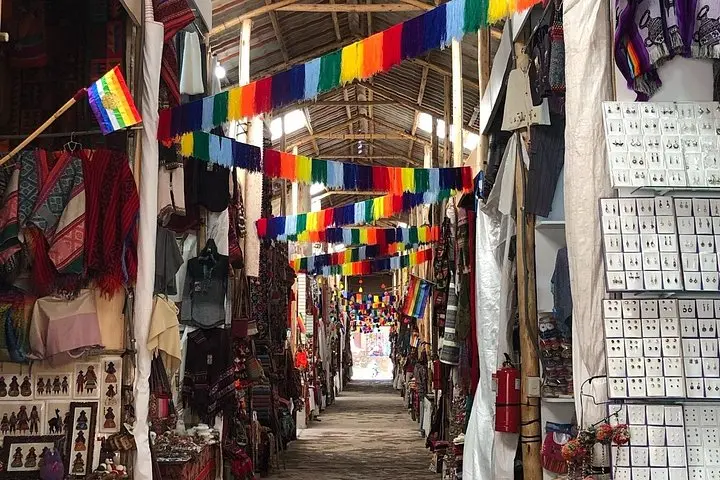
In Pisac, the market pours into cobbled streets—textiles, carved gourds and bright, hand‑woven hats traded where trade once ran on barter rather than coin. Voices rise in Quechua and Spanish; on Sundays a church mass still carries traditional instruments called pututos that feel older than the stones underfoot.
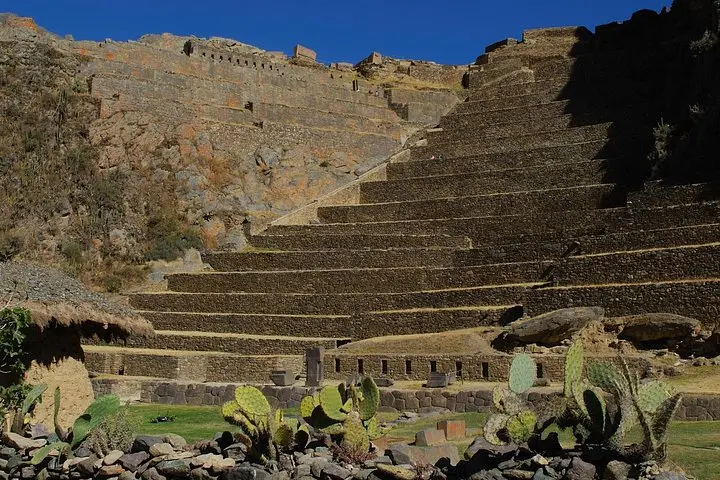
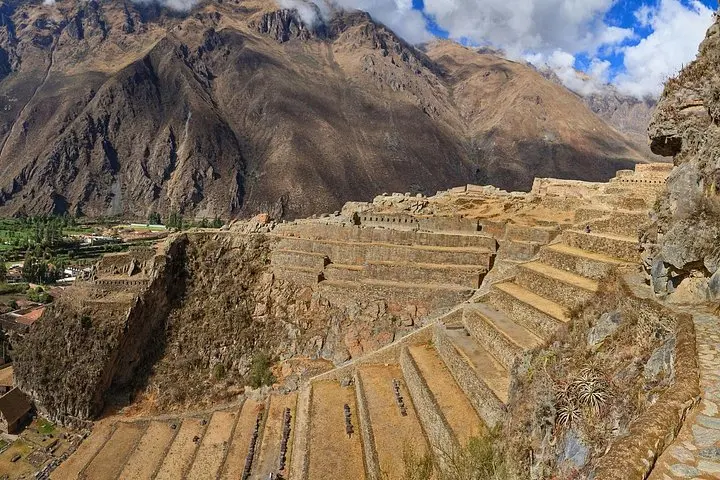
The valley itself is a geological doorway: terraces carved into volcanic and sedimentary slopes, rivers that shaped routes and supported the agricultural heart of the Inca. At Ollantaytambo the Temple of the Sun looms, built from 3–3.5m stones positioned with astronomical intent and later pressed into military use during Inca resistance—its massive blocks and steep stairways keep stories of engineering and conflict visible.
Expect uneven Inca stonework, steep steps, and open sun on terraces—nature here nudges you onward with thin air at roughly 2,800–2,900m elevation.
Practicalities: the full‑day tour runs about six hours with hotel pickup and a buffet lunch included; admission can be booked in advance or purchased locally. Carry small bills for the market, wear grippy shoes for cobbles and terraces, and layer for temperature swings between valleys and high ruins. If heading to Aguas Calientes by train afterward, request a drop‑off near the station and pack only a daypack. The experience balances cultural immersion and light hiking—bring water, respect archaeological signs, and leave the largest stones to history.
Yes, most tours include hotel pickup in Cusco; pickup times are provided the day before.
There are booking options with or without admission—check your selected option and buy tickets in advance if needed.
Yes—on Sundays Pisac holds a Quechua mass with traditional music, which many visitors find culturally rich but crowded.
Generally yes—there’s walking on uneven ground; adjust pace for altitude and mobility limitations and inform the operator of special needs.
VIPAC Travel operates guided outdoor trips and adventures with an emphasis on safety, stewardship, and memorable experiences.
Morning light slices across the Sacred Valley as minivans ease out of Cusco and a patchwork of fields and Andean ridgelines unfurl.
Morning light slices across the Sacred Valley as minivans ease out of Cusco and a patchwork of fields and Andean ridgelines unfurl.
In Pisac, the market pours into cobbled streets—textiles, carved gourds and bright, hand‑woven hats traded where trade once ran on barter rather than coin. Voices rise in Quechua and Spanish; on Sundays a church mass still carries traditional instruments called pututos that feel older than the stones underfoot.
The valley itself is a geological doorway: terraces carved into volcanic and sedimentary slopes, rivers that shaped routes and supported the agricultural heart of the Inca. At Ollantaytambo the Temple of the Sun looms, built from 3–3.5m stones positioned with astronomical intent and later pressed into military use during Inca resistance—its massive blocks and steep stairways keep stories of engineering and conflict visible.
Expect uneven Inca stonework, steep steps, and open sun on terraces—nature here nudges you onward with thin air at roughly 2,800–2,900m elevation.
Practicalities: the full‑day tour runs about six hours with hotel pickup and a buffet lunch included; admission can be booked in advance or purchased locally. Carry small bills for the market, wear grippy shoes for cobbles and terraces, and layer for temperature swings between valleys and high ruins. If heading to Aguas Calientes by train afterward, request a drop‑off near the station and pack only a daypack. The experience balances cultural immersion and light hiking—bring water, respect archaeological signs, and leave the largest stones to history.