THE ADVENTURE COLLECTIVE® · Independent discovery and booking for outdoor travel

Paddle from Bayview Marina into the quieter inlets of Ku-ring-gai Chase National Park, weaving around Scotland Island, through mangrove-lined Salvation Creek, and to a rainforest waterfall above Lovett Bay. This half-day tour pairs guided kayaking with a short bush walk and morning tea.
Paddle from Bayview Marina into the quieter inlets of Ku-ring-gai Chase National Park, weaving around Scotland Island, through mangrove-lined Salvation Creek, and to a rainforest waterfall above Lovett Bay. This half-day tour pairs guided kayaking with a short bush walk and morning tea.
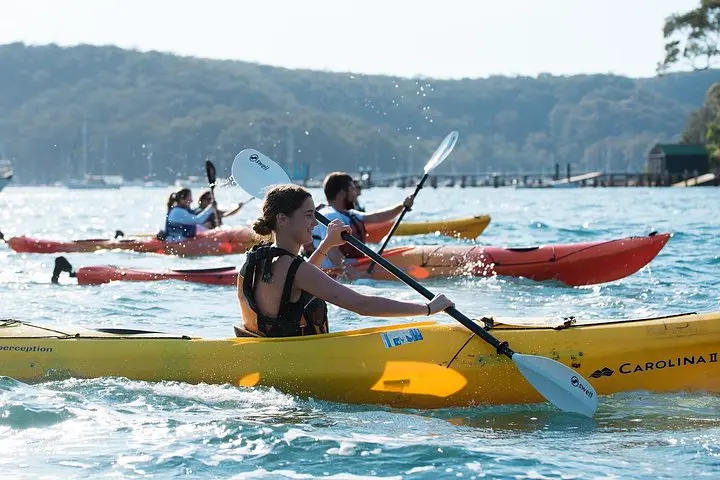
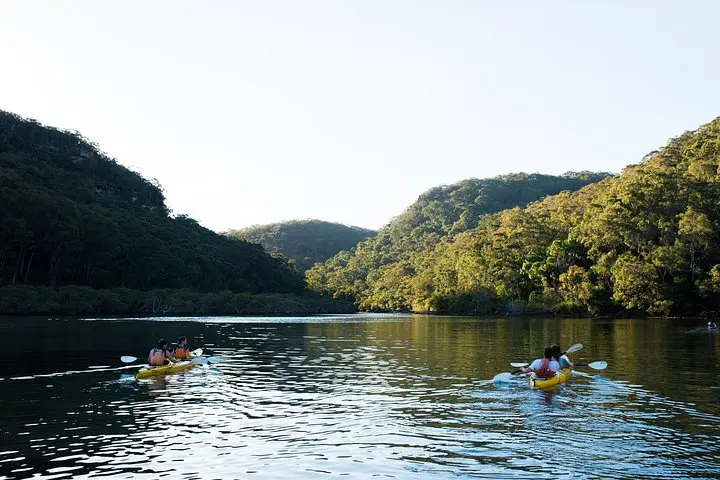
The paddle begins with the marina slipping behind you and Pittwater opening into shallow bays framed by sandstone cliffs and gum forests. Salted wind nudges the kayak as guides walk through the gear and the first forward stroke carries you past Scotland Island’s boat-scarred shorelines and into the quieter fingers of Ku-ring-gai Chase National Park.
Verified experiences and guided adventures in the surrounding area.
Operated by Paddlecraft · Bayview, New South Wales
The paddle begins with the marina slipping behind you and Pittwater opening into shallow bays framed by sandstone cliffs and gum forests. Salted wind nudges the kayak as guides walk through the gear and the first forward stroke carries you past Scotland Island’s boat-scarred shorelines and into the quieter fingers of Ku-ring-gai Chase National Park.
This stretch of coast has long been a crossing point for local Aboriginal peoples and later for early European settlers who used Pittwater’s inlets for timber and fishing. The geology is Old Triassic Hawkesbury sandstone — broad platforms, vertical cliffs and narrow creek mouths carved by tides. Cultural traces are subtle: rock overhangs, secluded coves, and the quiet of mangrove roots gripping sheltered channels.
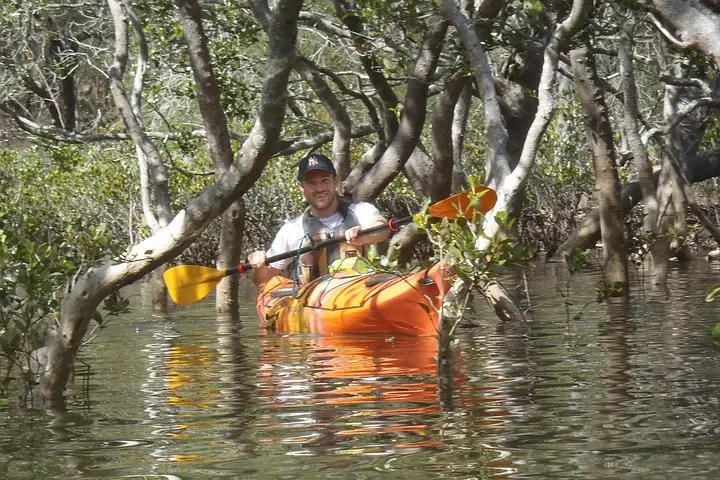
Expect a mix of open-water paddling and tidal creek navigation. Salvation Creek narrows at high tide, the mangroves reaching inward and forcing a careful, slower cadence; Lovett Bay offers a small beach for a short bush walk that climbs to a modest rainforest waterfall — a cool, mossy reward after the morning paddle. Guides highlight native flora and fauna and provide hands-on instruction for double sit-in kayaks.
Practically, the tour runs about 4½ hours total with 1½ hours outbound paddle, a 30-minute walk and a leisurely return. Wear quick-dry layers, reef-safe sunscreen, and closed water shoes suitable for both kayak and bush walking. Weather and tides shape the route; wind can shorten or alter the itinerary. Arrive ready to get wet, move at the tide’s pace, and take time to listen — the estuary often speaks in bird calls and lapping water.
After a half-hour orientation, expect roughly 1½ hours paddling north to Lovett Bay and about an hour for the return.
No—guides provide basic instruction and use stable double sit-in kayaks, but participants should be comfortable in water and able to follow safety briefings.
Yes—there’s an option to dip in sheltered waters, though conditions depend on tide and wind; follow your guide’s recommendation.
Children 12 and older can join but must be accompanied by an adult, with one adult per child in double kayaks as noted by the operator.
Paddlecraft operates guided outdoor trips and adventures with an emphasis on safety, stewardship, and memorable experiences.

The paddle begins with the marina slipping behind you and Pittwater opening into shallow bays framed by sandstone cliffs and gum forests. Salted wind nudges the kayak as guides walk through the gear and the first forward stroke carries you past Scotland Island’s boat-scarred shorelines and into the quieter fingers of Ku-ring-gai Chase National Park.
The paddle begins with the marina slipping behind you and Pittwater opening into shallow bays framed by sandstone cliffs and gum forests. Salted wind nudges the kayak as guides walk through the gear and the first forward stroke carries you past Scotland Island’s boat-scarred shorelines and into the quieter fingers of Ku-ring-gai Chase National Park.
This stretch of coast has long been a crossing point for local Aboriginal peoples and later for early European settlers who used Pittwater’s inlets for timber and fishing. The geology is Old Triassic Hawkesbury sandstone — broad platforms, vertical cliffs and narrow creek mouths carved by tides. Cultural traces are subtle: rock overhangs, secluded coves, and the quiet of mangrove roots gripping sheltered channels.
Expect a mix of open-water paddling and tidal creek navigation. Salvation Creek narrows at high tide, the mangroves reaching inward and forcing a careful, slower cadence; Lovett Bay offers a small beach for a short bush walk that climbs to a modest rainforest waterfall — a cool, mossy reward after the morning paddle. Guides highlight native flora and fauna and provide hands-on instruction for double sit-in kayaks.
Practically, the tour runs about 4½ hours total with 1½ hours outbound paddle, a 30-minute walk and a leisurely return. Wear quick-dry layers, reef-safe sunscreen, and closed water shoes suitable for both kayak and bush walking. Weather and tides shape the route; wind can shorten or alter the itinerary. Arrive ready to get wet, move at the tide’s pace, and take time to listen — the estuary often speaks in bird calls and lapping water.