
Pizza & Rats Tour: NYC Food Crawl and Urban Wildlife Walk
A two-hour walking tour through Little Italy, Chinatown, and the Lower East Side that mixes New York pizza with an up-close look at urban rodents and the infrastructure that sustains them.
An Adventure In New York.
A two-hour walking tour through Little Italy, Chinatown, and the Lower East Side that mixes New York pizza with an up-close look at urban rodents and the infrastructure that sustains them.
Read the full experience
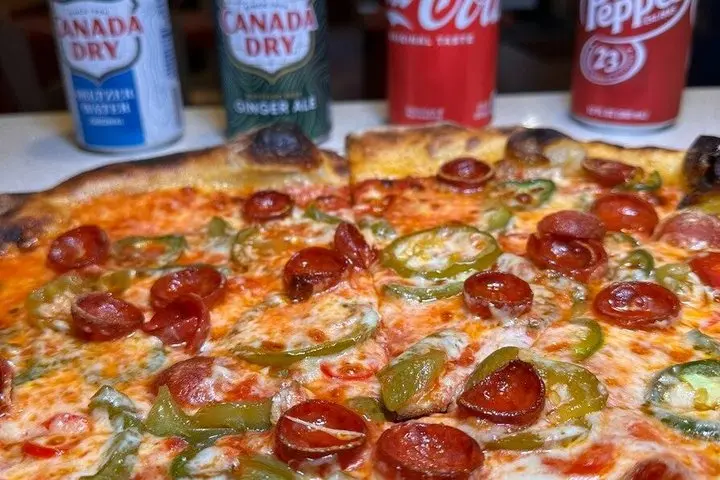
The tour opens on a hot slice and a sharper question: how does a city feed itself and what keeps its streets alive after dark?
The tour opens on a hot slice and a sharper question: how does a city feed itself and what keeps its streets alive after dark?
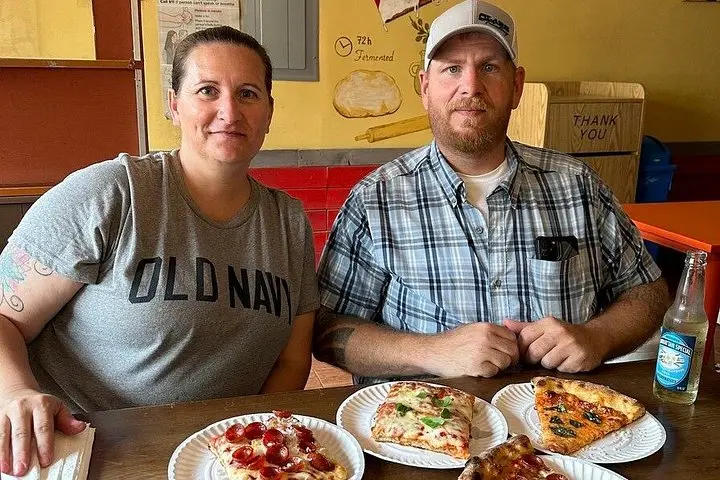
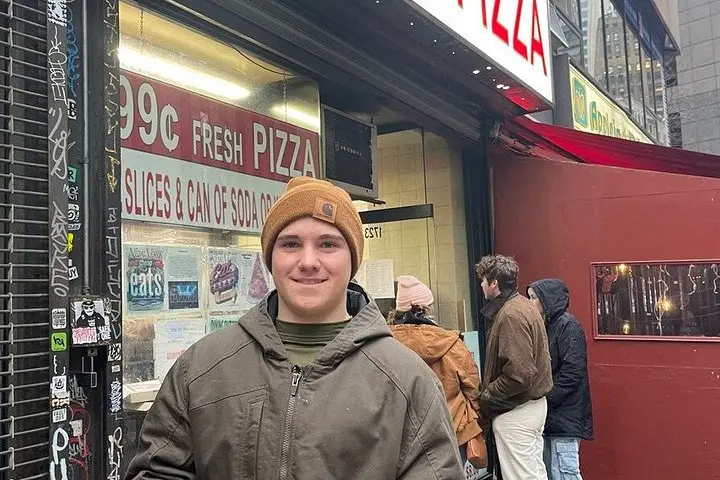
Walkers move through the clatter of Little Italy into the narrow corridors of Chinatown and the cramped edges of the Lower East Side. Warm, oily slices trade hands while rats—ubiquitous, clever—make their presence felt in alleys and behind overflowing bins. The guide points out inspection grade cards pinned to storefronts and explains how waste, delivery schedules, and old sewer lines create a patchwork of opportunity for urban wildlife.
Historically these neighborhoods grew on successive waves of immigrants; the pizza slice arrived with Italian bakers and the dumpling vendors claimed lanes that once handled horse carts. Geologically Manhattan shifts from bedrock outcrops to filled lots along the waterfront, a pattern that shaped street layouts, basements, and the infrastructure that intersects with sanitation systems today.
Culturally the walk balances food lore—stories of pizzerias like Lucia’s and Scarr’s—with plain talk about trash storage, restaurant inspections, and public-health routines that affect every corner of city life.
Practical note: the experience is a two-hour, mostly flat urban stroll with multiple short stops for tasting and conversation. Wear comfortable shoes, bring a reusable water bottle, and flag any dietary needs in advance. Public transit brings you within a block of most meeting points, and the tour accommodates strollers and wheelchairs on accessible routes. Expect a frank, evidence-based look at how a dense, hungry city manages food, refuse, and the animals that follow both.
Frequently asked questions
The tour provides all pizza tastings; guests should mention dietary restrictions in advance so alternatives can be arranged.
Yes—routes are designed to be accessible where possible; contact the operator with specific mobility needs to confirm meeting points and any detours.
The tour operates rain or shine but may cancel for severe weather—refunds are available with 24+ hours notice per the operator’s policy.
Yes—infants and small children can ride in strollers and families are welcome, though content includes frank discussion of pests and sanitation.
About This Experience
NYC RAT WALKING TOURS operates guided outdoor trips and adventures with an emphasis on safety, stewardship, and memorable experiences.
Adventure tips
Recommended gear
- Supportive walking shoes: Protects feet on city sidewalks, occasional stairs, and alley surfaces.
- Reusable water bottle: Staying hydrated keeps energy up between tastings and during warm-weather walks.
- Light rain jacket: Compact protection for sudden showers and cooler evenings in spring or fall.
- Small daypack: Carries water, a jacket, phone, and any personal items comfortably while on the move.
Photos of the experience

Related adventures & guides
Read the full experience
The tour opens on a hot slice and a sharper question: how does a city feed itself and what keeps its streets alive after dark?
The tour opens on a hot slice and a sharper question: how does a city feed itself and what keeps its streets alive after dark?
Walkers move through the clatter of Little Italy into the narrow corridors of Chinatown and the cramped edges of the Lower East Side. Warm, oily slices trade hands while rats—ubiquitous, clever—make their presence felt in alleys and behind overflowing bins. The guide points out inspection grade cards pinned to storefronts and explains how waste, delivery schedules, and old sewer lines create a patchwork of opportunity for urban wildlife.
Historically these neighborhoods grew on successive waves of immigrants; the pizza slice arrived with Italian bakers and the dumpling vendors claimed lanes that once handled horse carts. Geologically Manhattan shifts from bedrock outcrops to filled lots along the waterfront, a pattern that shaped street layouts, basements, and the infrastructure that intersects with sanitation systems today.
Culturally the walk balances food lore—stories of pizzerias like Lucia’s and Scarr’s—with plain talk about trash storage, restaurant inspections, and public-health routines that affect every corner of city life.
Practical note: the experience is a two-hour, mostly flat urban stroll with multiple short stops for tasting and conversation. Wear comfortable shoes, bring a reusable water bottle, and flag any dietary needs in advance. Public transit brings you within a block of most meeting points, and the tour accommodates strollers and wheelchairs on accessible routes. Expect a frank, evidence-based look at how a dense, hungry city manages food, refuse, and the animals that follow both.
Make a day of it nearby.
Verified experiences and guided adventures in the surrounding area.