THE ADVENTURE COLLECTIVE® · Independent discovery and booking for outdoor travel

Step into a HADO arena in Tokyo and trade controllers for gestures as AR energy battles unfold in real time. This two-hour, high-energy sport blends cardio, tactics, and team play—perfect for groups, families, or solo travelers seeking a tech-forward adventure.
Step into a HADO arena in Tokyo and trade controllers for gestures as AR energy battles unfold in real time. This two-hour, high-energy sport blends cardio, tactics, and team play—perfect for groups, families, or solo travelers seeking a tech-forward adventure.
Stepping into a HADO arena in Tokyo feels like walking onto a minimalist stage where neon energy arcs cut through air you can almost touch. The court is stripped of distraction—mat-floors, open sightlines, and a low hum of electronics—while teammates shout quick calls and gestures become the currency of attack and defense.
Verified experiences and guided adventures in the surrounding area.
Operated by Tokto International Friends & Events · Tokyo, Tokyo
Stepping into a HADO arena in Tokyo feels like walking onto a minimalist stage where neon energy arcs cut through air you can almost touch. The court is stripped of distraction—mat-floors, open sightlines, and a low hum of electronics—while teammates shout quick calls and gestures become the currency of attack and defense.
HADO was born in Japan as an experiment at the intersection of esports, motion tracking, and theater-like staging; over the last decade it matured from a niche prototype to organized leagues and tourist arenas across Tokyo and Osaka. Geology and nature barely matter here—the show is silicon and choreography—but the sport sits inside a broader cultural appetite for crafted group play, teamwork, and tech-forward entertainment.
Expect a 3v3 format driven by rapid sprints, quick lateral dodges, and hand-gesture mechanics interpreted by an AR headset and motion wristband. The game rewards timing, spatial awareness, and communication more than raw strength—energy balls dare you to close distance, while shields will push you to trade positioning for protection.
Practically: sessions run about two hours with equipment (AR headsets, wristbands) and rental shoes/clothes available. Arrive 15–20 minutes early for a safety and controls briefing; wear moisture-wicking clothes and non-marking sneakers. Age and fitness vary—kids to adults can play, but expect a high-tempo aerobic element.
This is social, messy fun—equal parts light workout and strategic play. Whether you’re there for the novelty, a team-building break, or to sharpen reflexes, HADO in Tokyo delivers a compact, future-leaning outlet that’s easy to pick up and fiercely addictive to master.
No—HADO is designed to be easy to learn; staff will teach gestures and game rules in a short briefing.
Yes—sessions include AR headsets, motion-sensing wristbands, and basic rental clothes/shoes if needed.
A wide range of ages can participate, but the game involves physical movement; children and those with mobility limits should check venue policies before booking.
Both options are common—venues typically run shared sessions and can accommodate private bookings for groups, teams, or events.
Tokto International Friends & Events operates guided outdoor trips and adventures with an emphasis on safety, stewardship, and memorable experiences.
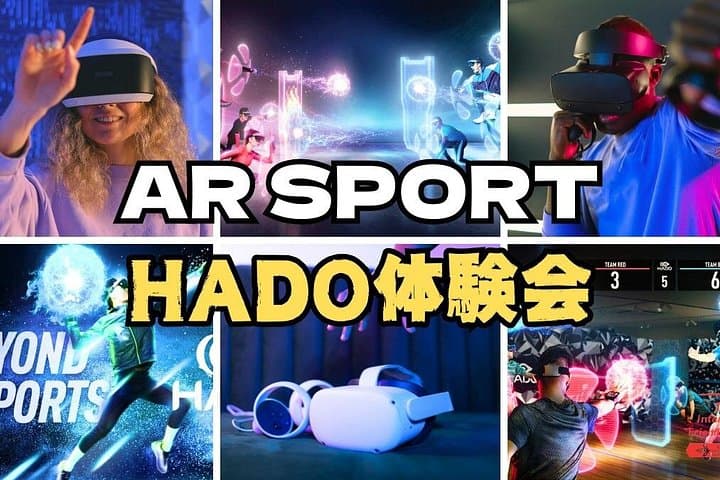
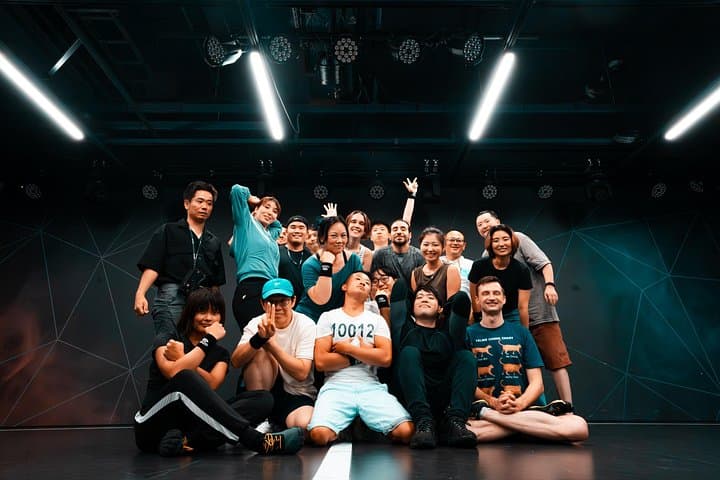
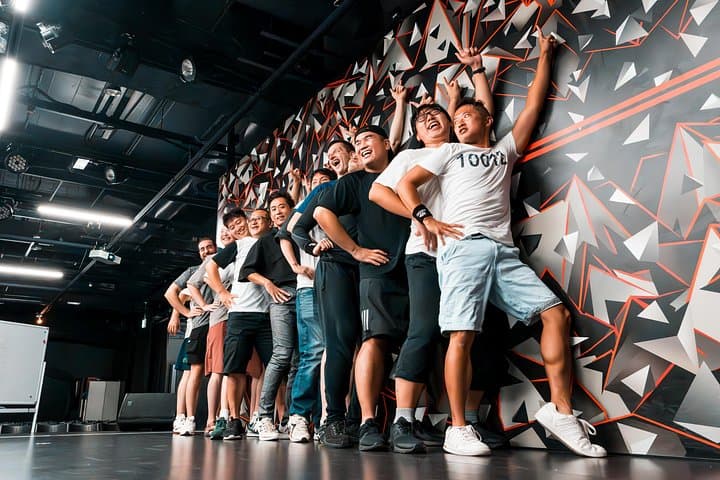

Stepping into a HADO arena in Tokyo feels like walking onto a minimalist stage where neon energy arcs cut through air you can almost touch. The court is stripped of distraction—mat-floors, open sightlines, and a low hum of electronics—while teammates shout quick calls and gestures become the currency of attack and defense.
Stepping into a HADO arena in Tokyo feels like walking onto a minimalist stage where neon energy arcs cut through air you can almost touch. The court is stripped of distraction—mat-floors, open sightlines, and a low hum of electronics—while teammates shout quick calls and gestures become the currency of attack and defense.
HADO was born in Japan as an experiment at the intersection of esports, motion tracking, and theater-like staging; over the last decade it matured from a niche prototype to organized leagues and tourist arenas across Tokyo and Osaka. Geology and nature barely matter here—the show is silicon and choreography—but the sport sits inside a broader cultural appetite for crafted group play, teamwork, and tech-forward entertainment.
Expect a 3v3 format driven by rapid sprints, quick lateral dodges, and hand-gesture mechanics interpreted by an AR headset and motion wristband. The game rewards timing, spatial awareness, and communication more than raw strength—energy balls dare you to close distance, while shields will push you to trade positioning for protection.
Practically: sessions run about two hours with equipment (AR headsets, wristbands) and rental shoes/clothes available. Arrive 15–20 minutes early for a safety and controls briefing; wear moisture-wicking clothes and non-marking sneakers. Age and fitness vary—kids to adults can play, but expect a high-tempo aerobic element.
This is social, messy fun—equal parts light workout and strategic play. Whether you’re there for the novelty, a team-building break, or to sharpen reflexes, HADO in Tokyo delivers a compact, future-leaning outlet that’s easy to pick up and fiercely addictive to master.