THE ADVENTURE COLLECTIVE® · Independent discovery and booking for outdoor travel

Combine semi‑automatic ATV tracks through the Congo Trail with a 14‑platform canopy course that tops out at 30 meters. Expect wildlife sightings, sweeping Gulf of Papagayo views, and a 2–3 hour mix of driving and ziplining.
Combine semi‑automatic ATV tracks through the Congo Trail with a 14‑platform canopy course that tops out at 30 meters. Expect wildlife sightings, sweeping Gulf of Papagayo views, and a 2–3 hour mix of driving and ziplining.
You start on a dirt track where dust sprays behind semi‑automatic ATVs and the surf of the Gulf of Papagayo murmurs beyond the trees. Engines rumble, the guide calls out checkpoints, and the trail opens into the Congo Trail—an old ranch road that cuts through dry tropical forest and reveals a small monkey sanctuary clinging to the canopy. A handful of minutes later you’re clipped into a harness on a wooden platform 30 meters above the valley, looking down a sequence of 11 cables that together stretch more than 1,200 meters.
Verified experiences and guided adventures in the surrounding area.
Operated by Playa Flamingo Best Beach Concierge · Playa Flamingo, Guanacaste
You start on a dirt track where dust sprays behind semi‑automatic ATVs and the surf of the Gulf of Papagayo murmurs beyond the trees. Engines rumble, the guide calls out checkpoints, and the trail opens into the Congo Trail—an old ranch road that cuts through dry tropical forest and reveals a small monkey sanctuary clinging to the canopy. A handful of minutes later you’re clipped into a harness on a wooden platform 30 meters above the valley, looking down a sequence of 11 cables that together stretch more than 1,200 meters.
Guanacaste’s coast is volcanic in origin; the ridgelines you ride and fly across are old lava flows smoothed by time and seasonal rains. The region’s history shifts from indigenous Chorotega land to Spanish colonial ranching, to today’s tourism economy—local bilingual guides often grew up here and point out former cattle paths that are now ATV tracks. Cultural notes: the area still celebrates cowboy (sabanero) traditions and uses ranch roads for eco‑tourism access rather than development.
On the practical side, the full experience typically runs 2–3 hours. Expect mixed terrain: groomed dirt roads, occasional mud ruts after rain, and wooden platforms reached by short stairways. The operator provides helmets, harnesses and ATVs; children under 16 who want to drive need a valid license. Bring closed shoes that can get wet, sun protection and a small dry bag for cameras. Hydrate before the ride, listen to the safety briefing, and keep wildlife viewing respectful—guides will stop for monkeys, iguanas and birds but feeding is prohibited.
Drivers under 16 must have a valid license in Costa Rica; younger guests can ride as passengers with an adult driver.
The course includes 11 cables totaling over 1,200 meters with 14 platforms up to about 30 meters high; expect 45–75 minutes for the canopy portion depending on group size.
Children from about 5 years old may ride as passengers; operators set specific age and weight limits for harnesses—check during booking.
Tours may cancel for heavy rain or unsafe winds; the operator typically offers refunds if canceled at least 24 hours before departure or reschedules depending on conditions.
Playa Flamingo Best Beach Concierge operates guided outdoor trips and adventures with an emphasis on safety, stewardship, and memorable experiences.
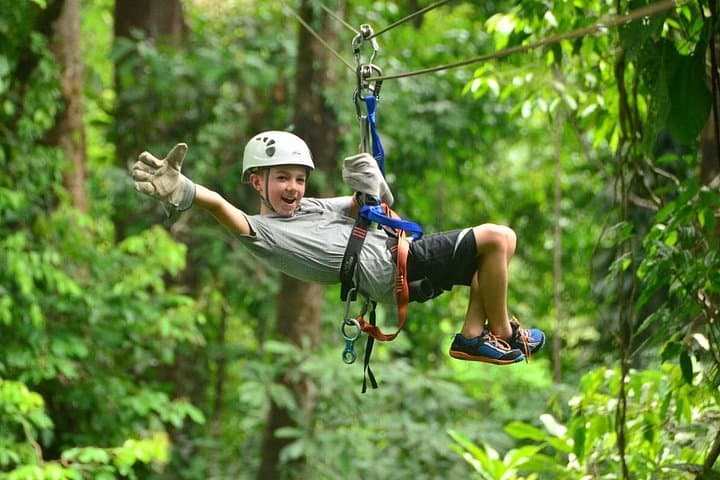
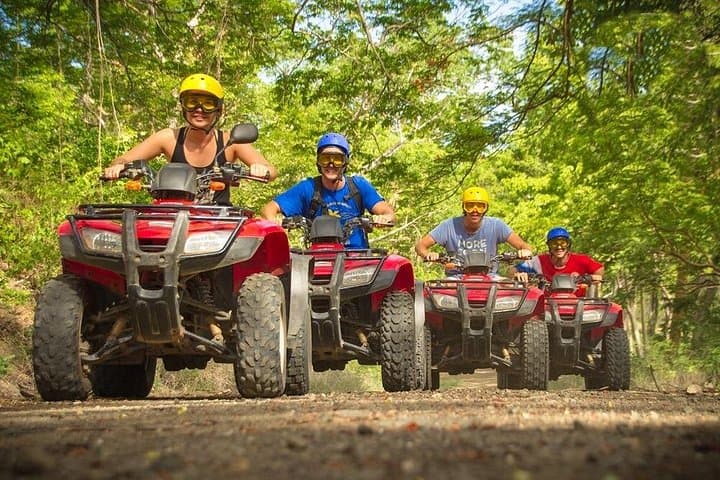
You start on a dirt track where dust sprays behind semi‑automatic ATVs and the surf of the Gulf of Papagayo murmurs beyond the trees. Engines rumble, the guide calls out checkpoints, and the trail opens into the Congo Trail—an old ranch road that cuts through dry tropical forest and reveals a small monkey sanctuary clinging to the canopy. A handful of minutes later you’re clipped into a harness on a wooden platform 30 meters above the valley, looking down a sequence of 11 cables that together stretch more than 1,200 meters.
You start on a dirt track where dust sprays behind semi‑automatic ATVs and the surf of the Gulf of Papagayo murmurs beyond the trees. Engines rumble, the guide calls out checkpoints, and the trail opens into the Congo Trail—an old ranch road that cuts through dry tropical forest and reveals a small monkey sanctuary clinging to the canopy. A handful of minutes later you’re clipped into a harness on a wooden platform 30 meters above the valley, looking down a sequence of 11 cables that together stretch more than 1,200 meters.
Guanacaste’s coast is volcanic in origin; the ridgelines you ride and fly across are old lava flows smoothed by time and seasonal rains. The region’s history shifts from indigenous Chorotega land to Spanish colonial ranching, to today’s tourism economy—local bilingual guides often grew up here and point out former cattle paths that are now ATV tracks. Cultural notes: the area still celebrates cowboy (sabanero) traditions and uses ranch roads for eco‑tourism access rather than development.
On the practical side, the full experience typically runs 2–3 hours. Expect mixed terrain: groomed dirt roads, occasional mud ruts after rain, and wooden platforms reached by short stairways. The operator provides helmets, harnesses and ATVs; children under 16 who want to drive need a valid license. Bring closed shoes that can get wet, sun protection and a small dry bag for cameras. Hydrate before the ride, listen to the safety briefing, and keep wildlife viewing respectful—guides will stop for monkeys, iguanas and birds but feeding is prohibited.