THE ADVENTURE COLLECTIVE® · Independent discovery and booking for outdoor travel

A guided, skip-the-line introduction to Plitvice’s turquoise lakes and tiered waterfalls. This 3–6 hour tour combines boardwalk walks, an electric boat and a panoramic train to showcase the park’s geological highlights.
A guided, skip-the-line introduction to Plitvice’s turquoise lakes and tiered waterfalls. This 3–6 hour tour combines boardwalk walks, an electric boat and a panoramic train to showcase the park’s geological highlights.
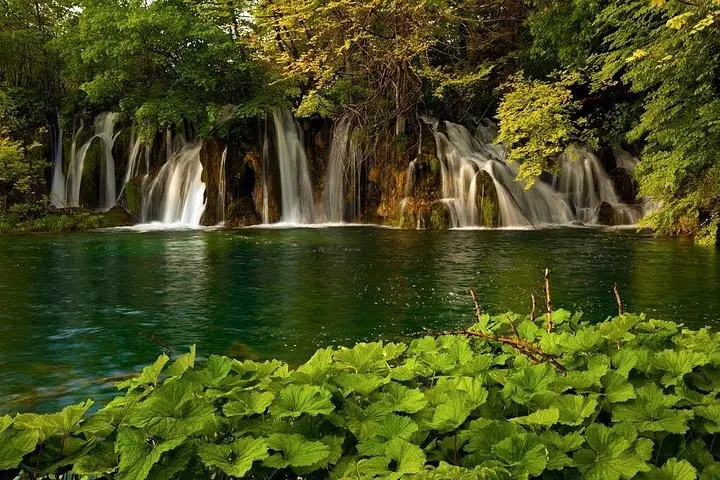
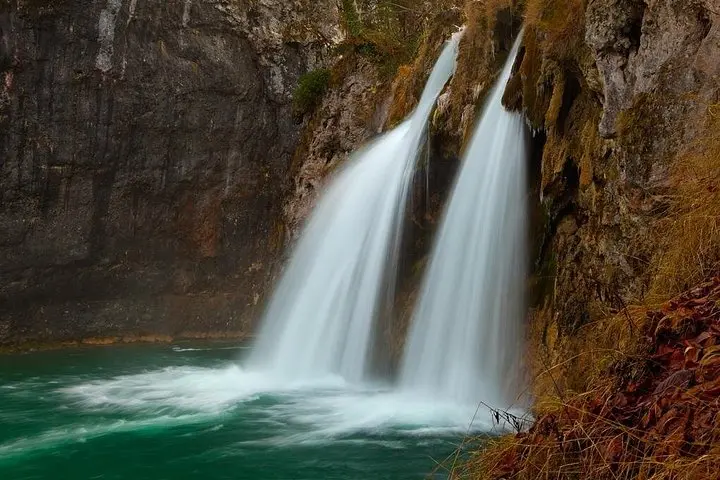
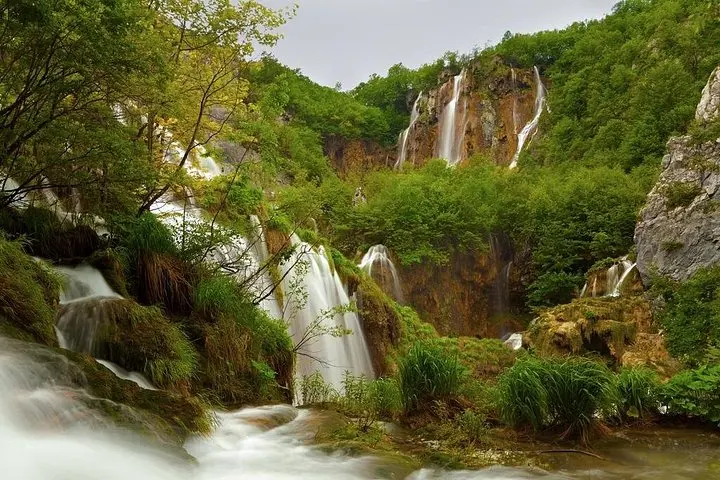
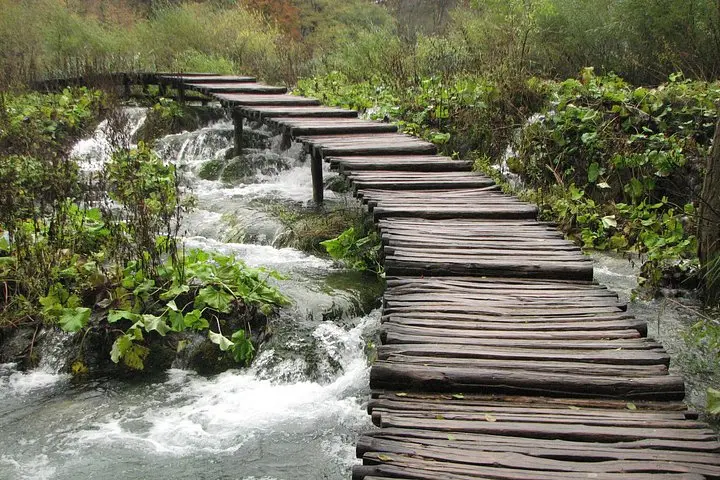
A low morning sun cuts through mist above turquoise water as your guide leads the group onto a network of wooden boardwalks. The lakes don’t sit still; they move—bubbling, spilling and daring you to keep pace. From here you can hear the Great Waterfall long before you see it, a white ribbon folding into the lower basin while smaller cascades chatter along travertine steps. The park organizes motion—boats that slide across mirror-smooth basins, an electric launch that crosses the widest lake, and a panoramic train that returns you to the trailhead when your legs are ready to stop.
Verified experiences and guided adventures in the surrounding area.
Operated by Obrt Eva · Plitvička Jezera, Lika-Senj County
A low morning sun cuts through mist above turquoise water as your guide leads the group onto a network of wooden boardwalks. The lakes don’t sit still; they move—bubbling, spilling and daring you to keep pace. From here you can hear the Great Waterfall long before you see it, a white ribbon folding into the lower basin while smaller cascades chatter along travertine steps. The park organizes motion—boats that slide across mirror-smooth basins, an electric launch that crosses the widest lake, and a panoramic train that returns you to the trailhead when your legs are ready to stop.
Plitvice Lakes National Park has been protected since 1949 and earned UNESCO World Heritage status in 1979 for its dynamic karst landscape. The lakes exist because of travertine: mineral-rich water deposits calcium carbonate on moss and stones, building the natural dams that shape terraces and waterfalls. That slow, patient geology creates the park’s signature tiers—the Upper and Lower Lakes—which guides will stitch into a single circular route that highlights Veliki Slap (Great Waterfall), Veliki Prštavac and Mali Prštavac.
Beyond geology the park sits within Lika, a region shaped by shepherding and mountain life. Small guesthouses in nearby Plitvička Jezera and family-run konobas serve hearty soups and smoked meats—meals built for wet feet and long walks. Local guides often weave these cultural notes into the tour, explaining how people and environment have coexisted in this rugged, limestone country.
Practically, the shared guided tour runs roughly 3–6 hours and covers both Upper and Lower Lakes via a mix of boardwalks, trails, an electric boat ride and a panoramic train. Expect 6–8 km of walking with modest elevation changes—stairs and uneven wooden paths are common. The route is well-marked but can be slippery after rain; comfortable, grippy footwear and a waterproof layer matter more than a hiking resume. The tour is designed to skip long lines at the park entrance and move efficiently through the highlights, but mornings and late afternoons are the least crowded windows.
For photography, aim for early light on the lakes or the softer tones of late afternoon; mid-day sun can blow out the turquoise. Bring a small backpack, water, and respect the fragile travertine by staying on boardwalks. The park operates in all weather conditions; guides will adapt the itinerary to safety and visibility. For first-time visitors this is the most practical way to see the park’s geological choreography without worrying about logistics—yet there’s still room to feel small in front of a waterfall that refuses to be rushed.
The standard tour lasts between 3 and 6 hours depending on group pace and weather; the operator plans a circular visit of Upper and Lower Lakes with boat and train segments.
This tour skips long lines but admission is handled as part of the booking—confirm at checkout; some packages include ticketing while others coordinate entry for groups.
The paths are accessible for many ages but include stairs and uneven sections; not recommended for people with serious mobility or heart conditions.
Swimming is prohibited to protect the travertine formations and water quality; follow all park regulations and stay on designated paths.
There are small cafeterias and kiosks near main areas, but bringing snacks is wise—especially if you have dietary needs.
The tour operates in most weather but guides will modify routes or timings for safety; cancelations for severe weather follow the operator’s policy.
Obrt Eva operates guided outdoor trips and adventures with an emphasis on safety, stewardship, and memorable experiences.
A low morning sun cuts through mist above turquoise water as your guide leads the group onto a network of wooden boardwalks. The lakes don’t sit still; they move—bubbling, spilling and daring you to keep pace. From here you can hear the Great Waterfall long before you see it, a white ribbon folding into the lower basin while smaller cascades chatter along travertine steps. The park organizes motion—boats that slide across mirror-smooth basins, an electric launch that crosses the widest lake, and a panoramic train that returns you to the trailhead when your legs are ready to stop.
A low morning sun cuts through mist above turquoise water as your guide leads the group onto a network of wooden boardwalks. The lakes don’t sit still; they move—bubbling, spilling and daring you to keep pace. From here you can hear the Great Waterfall long before you see it, a white ribbon folding into the lower basin while smaller cascades chatter along travertine steps. The park organizes motion—boats that slide across mirror-smooth basins, an electric launch that crosses the widest lake, and a panoramic train that returns you to the trailhead when your legs are ready to stop.
Plitvice Lakes National Park has been protected since 1949 and earned UNESCO World Heritage status in 1979 for its dynamic karst landscape. The lakes exist because of travertine: mineral-rich water deposits calcium carbonate on moss and stones, building the natural dams that shape terraces and waterfalls. That slow, patient geology creates the park’s signature tiers—the Upper and Lower Lakes—which guides will stitch into a single circular route that highlights Veliki Slap (Great Waterfall), Veliki Prštavac and Mali Prštavac.
Beyond geology the park sits within Lika, a region shaped by shepherding and mountain life. Small guesthouses in nearby Plitvička Jezera and family-run konobas serve hearty soups and smoked meats—meals built for wet feet and long walks. Local guides often weave these cultural notes into the tour, explaining how people and environment have coexisted in this rugged, limestone country.
Practically, the shared guided tour runs roughly 3–6 hours and covers both Upper and Lower Lakes via a mix of boardwalks, trails, an electric boat ride and a panoramic train. Expect 6–8 km of walking with modest elevation changes—stairs and uneven wooden paths are common. The route is well-marked but can be slippery after rain; comfortable, grippy footwear and a waterproof layer matter more than a hiking resume. The tour is designed to skip long lines at the park entrance and move efficiently through the highlights, but mornings and late afternoons are the least crowded windows.
For photography, aim for early light on the lakes or the softer tones of late afternoon; mid-day sun can blow out the turquoise. Bring a small backpack, water, and respect the fragile travertine by staying on boardwalks. The park operates in all weather conditions; guides will adapt the itinerary to safety and visibility. For first-time visitors this is the most practical way to see the park’s geological choreography without worrying about logistics—yet there’s still room to feel small in front of a waterfall that refuses to be rushed.