THE ADVENTURE COLLECTIVE® · Independent discovery and booking for outdoor travel

Walk a landscape shaped by water and time at Plitvice Lakes National Park—karst terraces, electric boats, and turquoise cascades that change with the light. Read on for routes, seasonal must-knows, and practical tips to plan your visit.
Walk a landscape shaped by water and time at Plitvice Lakes National Park—karst terraces, electric boats, and turquoise cascades that change with the light. Read on for routes, seasonal must-knows, and practical tips to plan your visit.
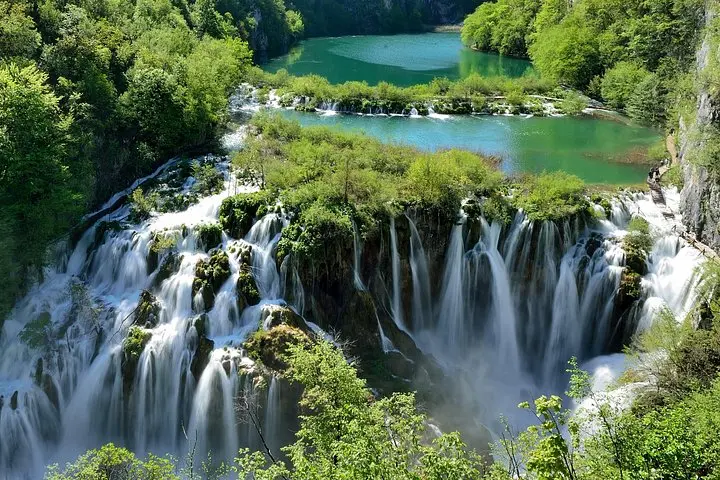
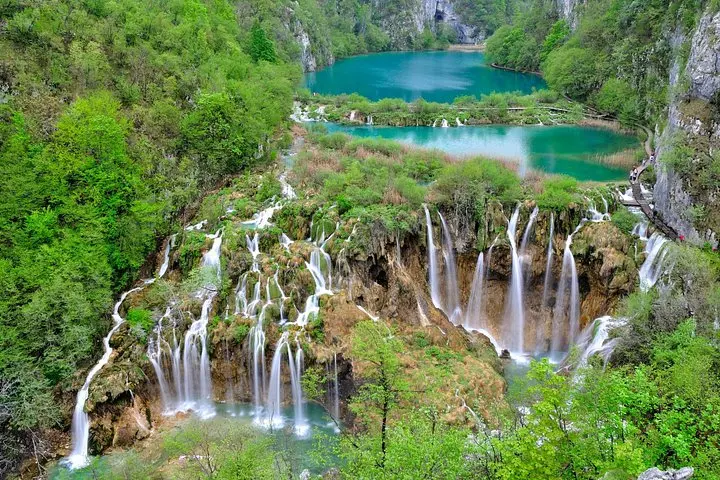
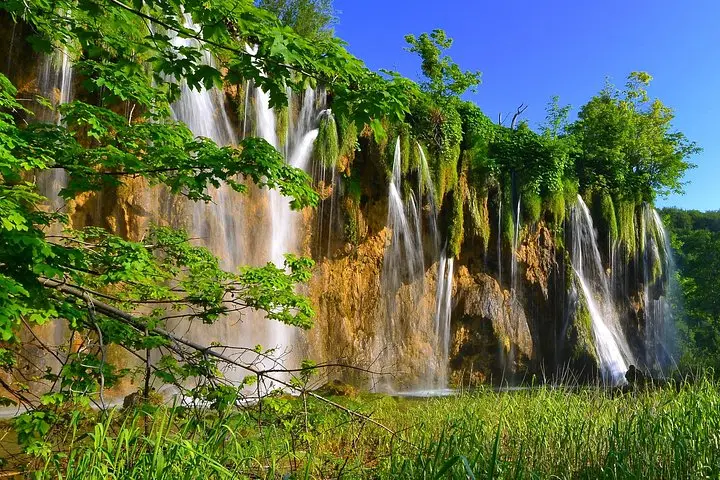
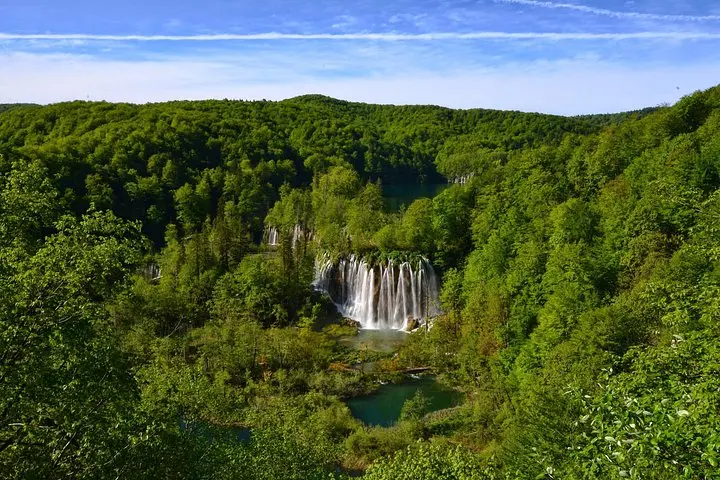
The boardwalk creaks beneath your boots and the water answers—moving, rearranging, daring you to follow. Morning light slides through beech and fir, picking out streaks of aquamarine in cascades that seem to recompose themselves with every step. At Plitvice Lakes, walking is less a route and more a conversation with karst and water: travertine terraces have built natural dams for millennia, and the park’s lakes and waterfalls keep rewriting the map.
Verified experiences and guided adventures in the surrounding area.
Operated by Gulliver Travel · Plitvička Jezera, Lika-Senj County
The boardwalk creaks beneath your boots and the water answers—moving, rearranging, daring you to follow. Morning light slides through beech and fir, picking out streaks of aquamarine in cascades that seem to recompose themselves with every step. At Plitvice Lakes, walking is less a route and more a conversation with karst and water: travertine terraces have built natural dams for millennia, and the park’s lakes and waterfalls keep rewriting the map.
This is Croatia’s oldest and most visited national park, a UNESCO World Heritage site since 1979. What you see now—the stepped lakes, the limestone travertine, the mosses that glint like tiny green roofs—owes everything to soluble rock and slow water. Karst geology directs springs and rivers into basins where tufa (travertine) precipitates and stitches new barriers; forests buffer runoff and feed the rich understory of ferns and orchids that give the paths their shade.
The human history here is quieter but present: shepherd trails and old forestry roads now guide visitors past memorial plaques to early conservationists. Local villages in the Lika region practiced transhumance for centuries; today small guesthouses in Plitvička Jezera welcome travelers who want an early start to beat the crowds.
On the ground, the experience is practical and tactile. Boardwalks and wooden bridges spider across the Lower Lakes, while rocky steps and gravel trails lead to the Upper Lakes and viewpoints. Popular circuits range from short 2–3 km loops around the lower cascades to full-day treks of 12–18 km that include boat and shuttle rides across Kozjak Lake. Elevation change is modest—typically under 200 meters—but expect sections of uneven boardwalk, narrow stairs, and slick surfaces after rain or in frost.
Plan your day around light and crowds. Arrive at your booked entrance within 55 minutes of your ticket time to exchange the voucher, then choose a route: mornings are best for soft light and quieter paths; late afternoon trims visitor numbers and deepens colors. Carry a waterproof layer—weather shifts rapidly between November and April and some trails close seasonally. Bring full water, sturdy shoes with good tread, and a small daypack; the park’s electric boats and shuttle buses connect the Upper and Lower Lakes but walking remains the heart of the visit.
Respect the place: stay on marked paths to protect fragile tufa formations and nesting birds, pack out waste, and keep dogs leashed where permitted. With some planning, Plitvice rewards patience—its waterfalls will keep talking, and if you listen, you’ll find new angles on every bend.
No—mobile vouchers are accepted, but you must exchange them at your booked entrance to receive the official park ticket and enter within 55 minutes of your start time.
There are two main gates: Entrance 1 (Rastovača) and Entrance 2 (Hladovina). Choose the entrance you booked; both are close to the lakes but different circuits begin at each one.
Yes—dogs on a lead are allowed and can ride the shuttle bus and ferry, but owners must keep them under control and follow park rules.
Yes—electric boat crossings on Kozjak Lake and internal shuttle buses are included and connect Upper and Lower Lake circuits.
Some paths and lower-lake boardwalks are stroller-accessible, but many routes include steps and uneven surfaces; accessibility can vary seasonally.
Early morning and late afternoon are quieter. Weekdays outside July–August see fewer visitors; shoulder seasons (late spring, early fall) offer good light and milder crowds.
Gulliver Travel operates guided outdoor trips and adventures with an emphasis on safety, stewardship, and memorable experiences.
The boardwalk creaks beneath your boots and the water answers—moving, rearranging, daring you to follow. Morning light slides through beech and fir, picking out streaks of aquamarine in cascades that seem to recompose themselves with every step. At Plitvice Lakes, walking is less a route and more a conversation with karst and water: travertine terraces have built natural dams for millennia, and the park’s lakes and waterfalls keep rewriting the map.
The boardwalk creaks beneath your boots and the water answers—moving, rearranging, daring you to follow. Morning light slides through beech and fir, picking out streaks of aquamarine in cascades that seem to recompose themselves with every step. At Plitvice Lakes, walking is less a route and more a conversation with karst and water: travertine terraces have built natural dams for millennia, and the park’s lakes and waterfalls keep rewriting the map.
This is Croatia’s oldest and most visited national park, a UNESCO World Heritage site since 1979. What you see now—the stepped lakes, the limestone travertine, the mosses that glint like tiny green roofs—owes everything to soluble rock and slow water. Karst geology directs springs and rivers into basins where tufa (travertine) precipitates and stitches new barriers; forests buffer runoff and feed the rich understory of ferns and orchids that give the paths their shade.
The human history here is quieter but present: shepherd trails and old forestry roads now guide visitors past memorial plaques to early conservationists. Local villages in the Lika region practiced transhumance for centuries; today small guesthouses in Plitvička Jezera welcome travelers who want an early start to beat the crowds.
On the ground, the experience is practical and tactile. Boardwalks and wooden bridges spider across the Lower Lakes, while rocky steps and gravel trails lead to the Upper Lakes and viewpoints. Popular circuits range from short 2–3 km loops around the lower cascades to full-day treks of 12–18 km that include boat and shuttle rides across Kozjak Lake. Elevation change is modest—typically under 200 meters—but expect sections of uneven boardwalk, narrow stairs, and slick surfaces after rain or in frost.
Plan your day around light and crowds. Arrive at your booked entrance within 55 minutes of your ticket time to exchange the voucher, then choose a route: mornings are best for soft light and quieter paths; late afternoon trims visitor numbers and deepens colors. Carry a waterproof layer—weather shifts rapidly between November and April and some trails close seasonally. Bring full water, sturdy shoes with good tread, and a small daypack; the park’s electric boats and shuttle buses connect the Upper and Lower Lakes but walking remains the heart of the visit.
Respect the place: stay on marked paths to protect fragile tufa formations and nesting birds, pack out waste, and keep dogs leashed where permitted. With some planning, Plitvice rewards patience—its waterfalls will keep talking, and if you listen, you’ll find new angles on every bend.