THE ADVENTURE COLLECTIVE® · Independent discovery and booking for outdoor travel

A full-day escape from Zagreb that pairs the mill-crowded falls of Rastoke with Plitvice’s famed terraced lakes. Walk boardwalks, ride the Kozjak boat, and learn why this UNESCO park’s travertine formations demand careful footsteps.
A full-day escape from Zagreb that pairs the mill-crowded falls of Rastoke with Plitvice’s famed terraced lakes. Walk boardwalks, ride the Kozjak boat, and learn why this UNESCO park’s travertine formations demand careful footsteps.
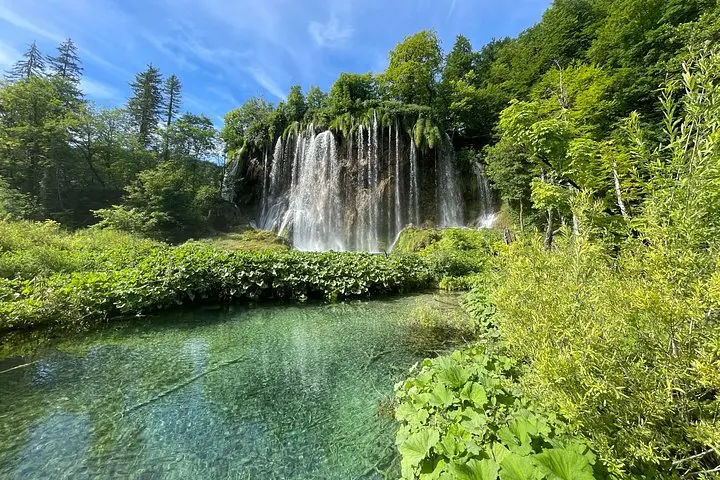
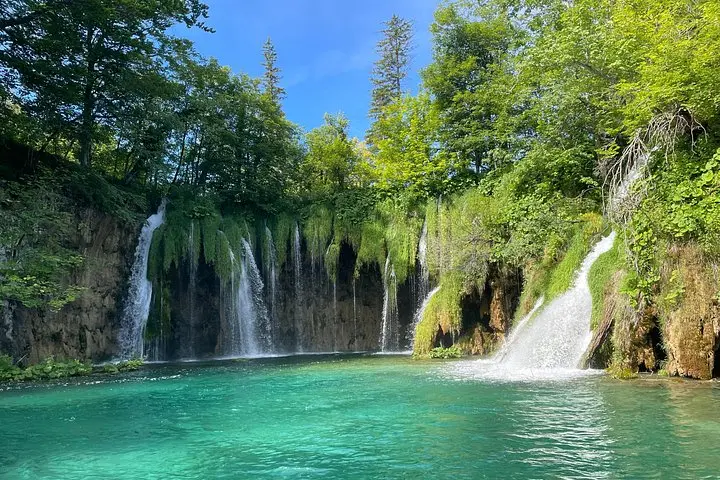
You step off the coach into misty air thick with the sound of falling water — a chorus that follows you along wooden boardwalks and through beech and spruce forests. On this day trip from Zagreb you’ll move from the mill-lined cascades of Rastoke to the dramatic travertine terraces of Plitvice Lakes, where sixteen linked lakes cascade into one another in stages of blue and green.
Verified experiences and guided adventures in the surrounding area.
Operated by Petros d.o.o · Plitvička Jezera, Lika-Senj County
You step off the coach into misty air thick with the sound of falling water — a chorus that follows you along wooden boardwalks and through beech and spruce forests. On this day trip from Zagreb you’ll move from the mill-lined cascades of Rastoke to the dramatic travertine terraces of Plitvice Lakes, where sixteen linked lakes cascade into one another in stages of blue and green.
The park’s terraces are not accidental: over millennia, calcium carbonate has precipitated from the Korana and its tributaries, building travertine barriers that shape the falls and coves. Plitvice is Croatia’s oldest national park and a UNESCO World Heritage Site; local villages like Rastoke grew where rivers meet, harnessing waterpower for mills and traditional wooden houses. Culture here is river-born — watch for traditional architecture and small-scale agriculture in nearby settlements.
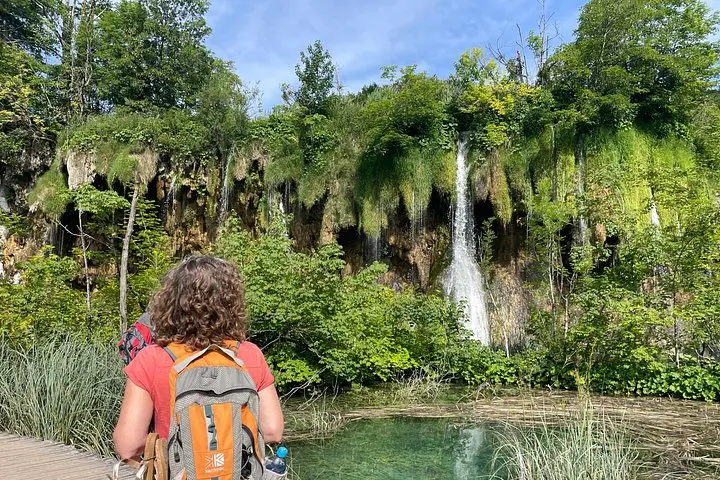
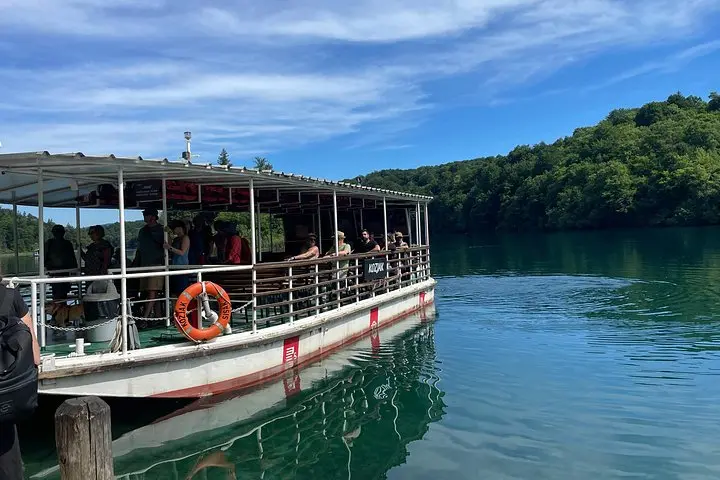
Practically, expect extensive walking on compacted boardwalks and stone paths, some uneven and damp. The itinerary usually includes guided walks through the upper and lower lakes, a short electric boat crossing of Kozjak Lake, and a panoramic shuttle bus to cover longer stretches. Wear grippy, waterproof footwear and layer for variable temperatures; bring water, snacks, and a light rain jacket. Crowds peak in mid-summer, so early departures from Zagreb give quieter light and better photo angles. Respect park rules: stay on marked paths, don’t swim, and pack out waste — the park’s travertine features are fragile and recover slowly.
By day’s end the rivers seem to have a personality of their own, pulling you forward, insisting you look closer — and you will, long after the bus has returned you to the city.
Yes — this tour includes Plitvice Lakes National Park admission; keep your ticket accessible for park checks.
No — many boardwalks and paths are uneven and some sections have steps; not recommended for those with walking disabilities.
Transportation is by air-conditioned coach included in the tour; independent travelers can also reach the park by public bus or car in about 2–2.5 hours.
No — swimming is prohibited to protect the travertine formations and water quality.
Petros d.o.o operates guided outdoor trips and adventures with an emphasis on safety, stewardship, and memorable experiences.
You step off the coach into misty air thick with the sound of falling water — a chorus that follows you along wooden boardwalks and through beech and spruce forests. On this day trip from Zagreb you’ll move from the mill-lined cascades of Rastoke to the dramatic travertine terraces of Plitvice Lakes, where sixteen linked lakes cascade into one another in stages of blue and green.
You step off the coach into misty air thick with the sound of falling water — a chorus that follows you along wooden boardwalks and through beech and spruce forests. On this day trip from Zagreb you’ll move from the mill-lined cascades of Rastoke to the dramatic travertine terraces of Plitvice Lakes, where sixteen linked lakes cascade into one another in stages of blue and green.
The park’s terraces are not accidental: over millennia, calcium carbonate has precipitated from the Korana and its tributaries, building travertine barriers that shape the falls and coves. Plitvice is Croatia’s oldest national park and a UNESCO World Heritage Site; local villages like Rastoke grew where rivers meet, harnessing waterpower for mills and traditional wooden houses. Culture here is river-born — watch for traditional architecture and small-scale agriculture in nearby settlements.
Practically, expect extensive walking on compacted boardwalks and stone paths, some uneven and damp. The itinerary usually includes guided walks through the upper and lower lakes, a short electric boat crossing of Kozjak Lake, and a panoramic shuttle bus to cover longer stretches. Wear grippy, waterproof footwear and layer for variable temperatures; bring water, snacks, and a light rain jacket. Crowds peak in mid-summer, so early departures from Zagreb give quieter light and better photo angles. Respect park rules: stay on marked paths, don’t swim, and pack out waste — the park’s travertine features are fragile and recover slowly.
By day’s end the rivers seem to have a personality of their own, pulling you forward, insisting you look closer — and you will, long after the bus has returned you to the city.