THE ADVENTURE COLLECTIVE® · Independent discovery and booking for outdoor travel

Spend a full day tracing Plitvice’s blue-green terraces and strolling Rastoke’s historic watermills. This guided day trip from Zagreb pairs easy walking with dramatic waterfalls and practical door-to-door transport.
Spend a full day tracing Plitvice’s blue-green terraces and strolling Rastoke’s historic watermills. This guided day trip from Zagreb pairs easy walking with dramatic waterfalls and practical door-to-door transport.
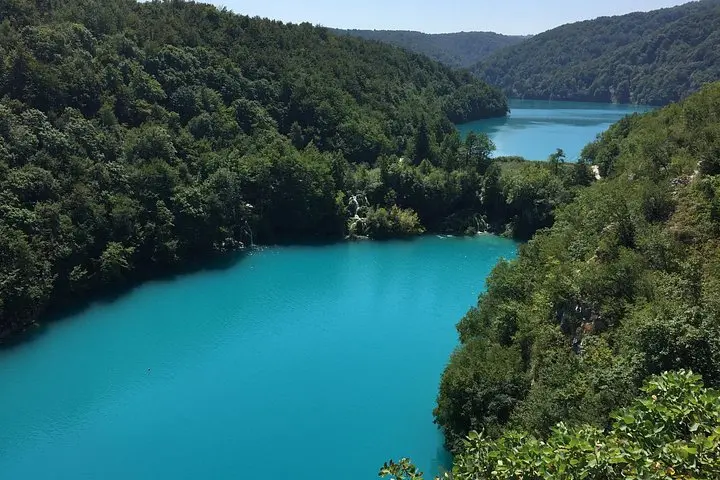
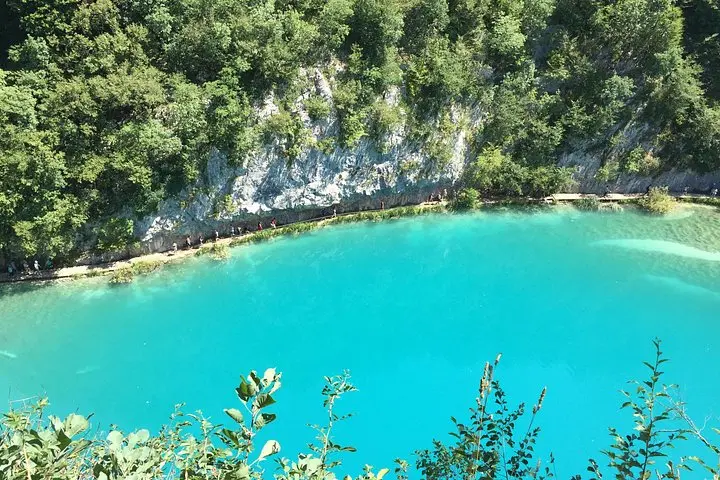
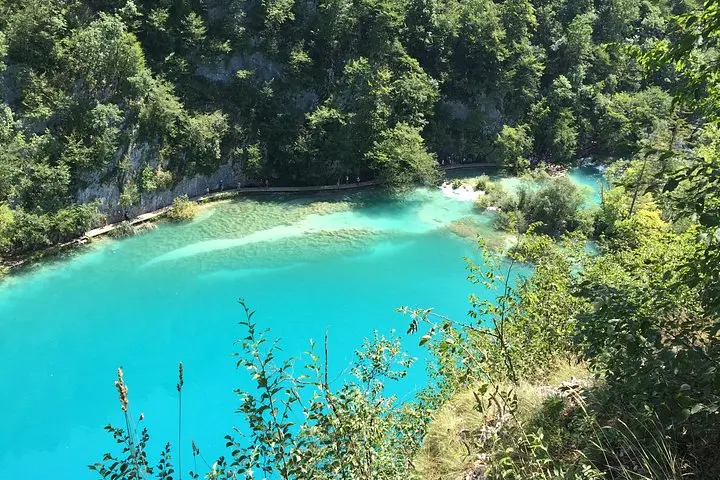
You step out of the van before dawn and the air tastes like river stone and spruce. Mist clings to the veneers of the lakes, and the first boardwalk creaks like an invitation. This is Plitvice Lakes National Park—water in motion, folding into terraces of pale tufa and spilling into a skyline of beech and fir. The day trip from Zagreb pairs the park’s cathedral of cascades with Rastoke, a compact village where streams have been put to work for centuries by wooden mills and stone bridges.
Verified experiences and guided adventures in the surrounding area.
Operated by Discover Croatia · Plitvička Jezera, Lika-Senj County
You step out of the van before dawn and the air tastes like river stone and spruce. Mist clings to the veneers of the lakes, and the first boardwalk creaks like an invitation. This is Plitvice Lakes National Park—water in motion, folding into terraces of pale tufa and spilling into a skyline of beech and fir. The day trip from Zagreb pairs the park’s cathedral of cascades with Rastoke, a compact village where streams have been put to work for centuries by wooden mills and stone bridges.
Geology does the heavy lifting here. The park’s terraces are built by tufa—a porous limestone that precipitates from mineral-rich water, gradually raising natural dams and carving sixteen lakes into upper and lower basins. Visitors trace routes that thread under waterfalls and above pools so clear they double the sky. Culturally, Rastoke is the lowland counterpoint: a working hamlet where waterwheels once powered grain and cloth, earning it the nickname 'the small Plitvice.'
History and protection are intertwined. Plitvice was Croatia’s first national park in 1949 and joined UNESCO in 1979; the park balances accessibility with fragility. Boardwalks funnel foot traffic away from sensitive tufa formations, and seasonal flows can change the character of a trail in hours.
Practicalities shape the day. The operator provides door-to-door pickup from Zagreb in modern vehicles, and the full loop in the park typically takes around three hours of walking within a six- to ten-hour outing including transfers. Routes vary by season; the shortest recommended circuit still covers uneven wooden walkways and some stairs. Wear grippy shoes—boardwalks are often damp—and bring layers: mornings are cool, afternoons can brighten quickly.
Timing matters. Arrive early to beat buses and capture the lakes before the light hardens. Carry a refillable water bottle and a small lunch or plan to eat at a park café if you prefer. Swimming is prohibited in most areas to protect the tufa and water quality. Cameras will be busy: wide-angle lenses for the waterfalls, a telephoto for shy birds, and a neutral-density filter if you want that milky-water look.
Logistics are straightforward but firm: tickets and park admission are typically included on this private tour, and the provider assists with park entry to reduce waiting. The road from Zagreb is about two hours each way, so expect a full day and modest walking demands rather than a technical hike. For travelers who want a compact, expertly guided introduction to Croatia’s most famous natural site, the Plitvice and Rastoke day trip offers a generous portion of scenery, cultural texture, and sensible support for a worry-free outing.
Yes; this tour generally includes admission to Plitvice Lakes and entry assistance to streamline access.
Expect about two hours each way depending on traffic, making this a full-day excursion from Zagreb.
The tour is rated easy—boardwalks are accessible but include some stairs; children and older travelers should be comfortable with moderate walking.
Lunch is usually not included; the itinerary allows time for a café stop in the park or you can bring a packed lunch.
Swimming is prohibited in most park areas to protect tufa formations and water quality—follow posted regulations.
Yes; the operator offers door-to-door pickup from Zagreb hotels and accommodations—confirm your pickup point when booking.
Discover Croatia operates guided outdoor trips and adventures with an emphasis on safety, stewardship, and memorable experiences.
You step out of the van before dawn and the air tastes like river stone and spruce. Mist clings to the veneers of the lakes, and the first boardwalk creaks like an invitation. This is Plitvice Lakes National Park—water in motion, folding into terraces of pale tufa and spilling into a skyline of beech and fir. The day trip from Zagreb pairs the park’s cathedral of cascades with Rastoke, a compact village where streams have been put to work for centuries by wooden mills and stone bridges.
You step out of the van before dawn and the air tastes like river stone and spruce. Mist clings to the veneers of the lakes, and the first boardwalk creaks like an invitation. This is Plitvice Lakes National Park—water in motion, folding into terraces of pale tufa and spilling into a skyline of beech and fir. The day trip from Zagreb pairs the park’s cathedral of cascades with Rastoke, a compact village where streams have been put to work for centuries by wooden mills and stone bridges.
Geology does the heavy lifting here. The park’s terraces are built by tufa—a porous limestone that precipitates from mineral-rich water, gradually raising natural dams and carving sixteen lakes into upper and lower basins. Visitors trace routes that thread under waterfalls and above pools so clear they double the sky. Culturally, Rastoke is the lowland counterpoint: a working hamlet where waterwheels once powered grain and cloth, earning it the nickname 'the small Plitvice.'
History and protection are intertwined. Plitvice was Croatia’s first national park in 1949 and joined UNESCO in 1979; the park balances accessibility with fragility. Boardwalks funnel foot traffic away from sensitive tufa formations, and seasonal flows can change the character of a trail in hours.
Practicalities shape the day. The operator provides door-to-door pickup from Zagreb in modern vehicles, and the full loop in the park typically takes around three hours of walking within a six- to ten-hour outing including transfers. Routes vary by season; the shortest recommended circuit still covers uneven wooden walkways and some stairs. Wear grippy shoes—boardwalks are often damp—and bring layers: mornings are cool, afternoons can brighten quickly.
Timing matters. Arrive early to beat buses and capture the lakes before the light hardens. Carry a refillable water bottle and a small lunch or plan to eat at a park café if you prefer. Swimming is prohibited in most areas to protect the tufa and water quality. Cameras will be busy: wide-angle lenses for the waterfalls, a telephoto for shy birds, and a neutral-density filter if you want that milky-water look.
Logistics are straightforward but firm: tickets and park admission are typically included on this private tour, and the provider assists with park entry to reduce waiting. The road from Zagreb is about two hours each way, so expect a full day and modest walking demands rather than a technical hike. For travelers who want a compact, expertly guided introduction to Croatia’s most famous natural site, the Plitvice and Rastoke day trip offers a generous portion of scenery, cultural texture, and sensible support for a worry-free outing.