THE ADVENTURE COLLECTIVE® · Independent discovery and booking for outdoor travel

Walk across turquoise lakes and beneath cascading falls on a small-group day tour of Plitvice Lakes National Park. This guided outing pairs boardwalks and a short ferry crossing with expert local insight on the park’s travertine geology and cultural history.
Walk across turquoise lakes and beneath cascading falls on a small-group day tour of Plitvice Lakes National Park. This guided outing pairs boardwalks and a short ferry crossing with expert local insight on the park’s travertine geology and cultural history.
You step onto a wooden boardwalk with water on both sides, the air cool and mineral-clean as the canyon funnels the sound of falls toward you.
Verified experiences and guided adventures in the surrounding area.
Operated by Free Spirit Day Tours · Plitvička Jezera, Lika-Senj County
You step onto a wooden boardwalk with water on both sides, the air cool and mineral-clean as the canyon funnels the sound of falls toward you.
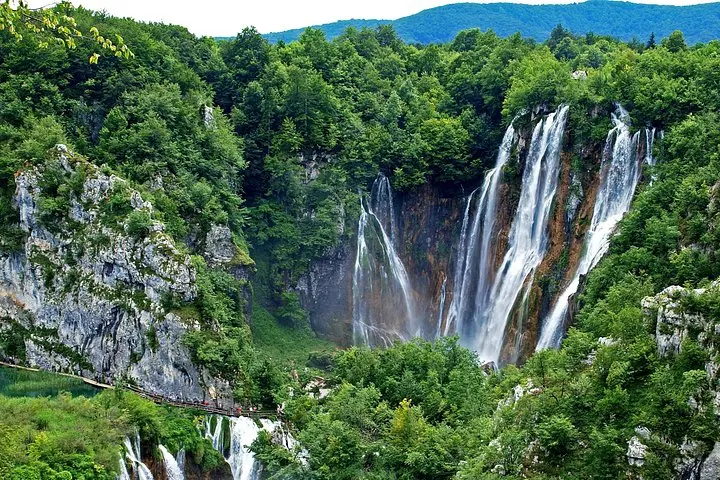
Plitvice Lakes National Park is a living laboratory of travertine and karst: 16 linked lakes spill across limestone steps, building barriers of calcified moss and forming cataracts that range from ribboned runs to the 78 m drop of Veliki Slap. The forest around the lakes carries layers of history—Illyrian routes, Austro-Hungarian maps and wartime scars—yet today it’s primarily a refuge for beech and fir, and for the small communities in Lika that guide visitors here.
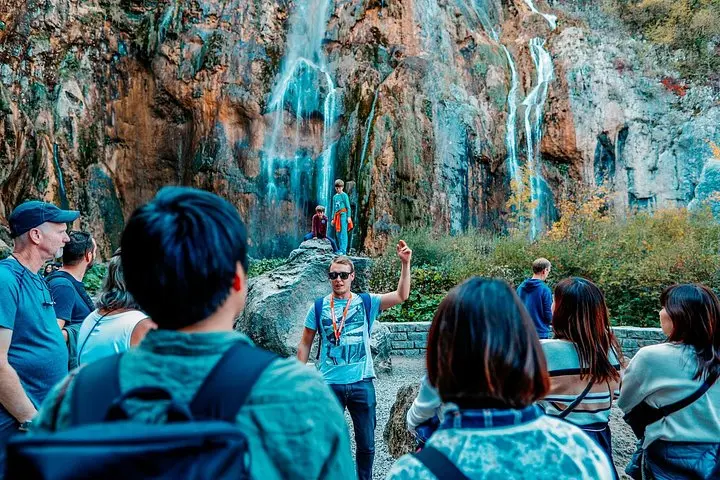
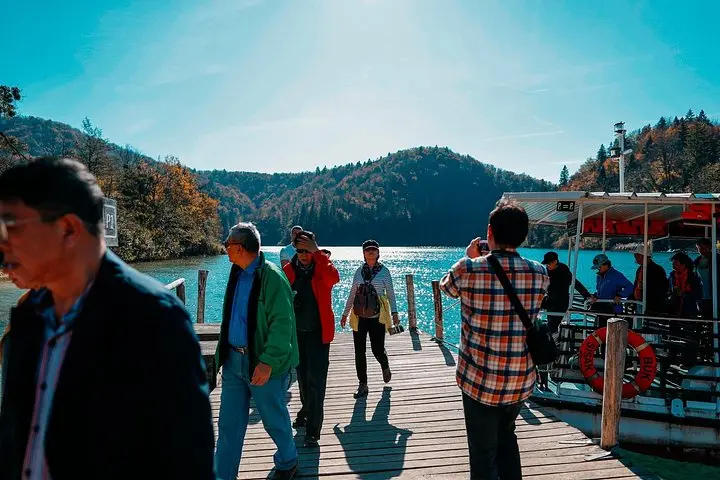
On a small-group day tour you’ll follow marked trails and elevated walkways that trace the edge of turquoise pools, pause on overlooks where the water seems to glow, and cross Lake Kozjak by the short ferry that links upper and lower basins. Guides add cultural color: local place names, park regulations, and tips on how travertine grows are woven into the walk.
Practicalities are straightforward: expect 6–10 hours away from your pickup, steady walking on uneven boardwalks and steps, and variable weather that can change visibility and surface slipperiness. Bring waterproof shoes, layered clothing, and a mid-day refill — food options inside the park are limited and busy in peak season.
Timing early or late in the day reduces crowds and improves light for photos. Respect marked paths: travertine is fragile and park rules protect these formations. With a small-group format you’ll trade large-coach bustle for a manageable pace and a local guide who helps you read the landscape rather than rush past it.
Expect several hours of walking over boardwalks, paths and steps; the tour covers key viewpoints and includes a short ferry across Lake Kozjak.
Short sections are stroller-accessible, but many paths include steps—infants in carriers are easier; confirm stroller availability with the operator.
Check your booking details—some tours include skip-the-line access while others require you to pay the park entrance fee on arrival.
Shoulder seasons (late spring, early fall) and early mornings offer quieter trails and better light; summer sees the largest crowds and warmer water colors.
Free Spirit Day Tours operates guided outdoor trips and adventures with an emphasis on safety, stewardship, and memorable experiences.
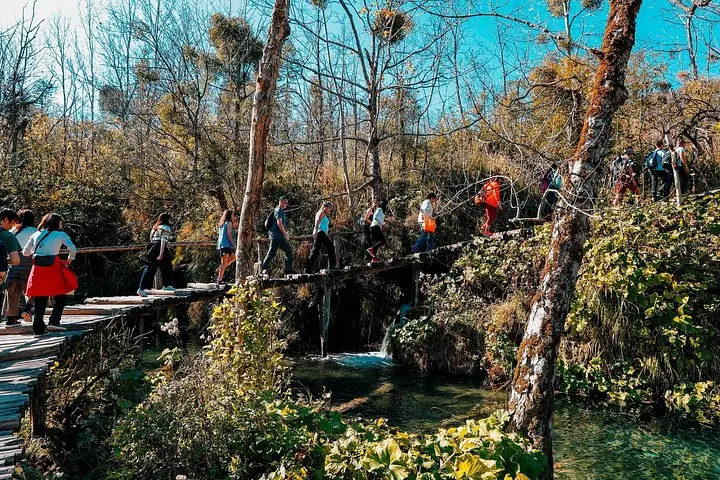
You step onto a wooden boardwalk with water on both sides, the air cool and mineral-clean as the canyon funnels the sound of falls toward you.
You step onto a wooden boardwalk with water on both sides, the air cool and mineral-clean as the canyon funnels the sound of falls toward you.
Plitvice Lakes National Park is a living laboratory of travertine and karst: 16 linked lakes spill across limestone steps, building barriers of calcified moss and forming cataracts that range from ribboned runs to the 78 m drop of Veliki Slap. The forest around the lakes carries layers of history—Illyrian routes, Austro-Hungarian maps and wartime scars—yet today it’s primarily a refuge for beech and fir, and for the small communities in Lika that guide visitors here.
On a small-group day tour you’ll follow marked trails and elevated walkways that trace the edge of turquoise pools, pause on overlooks where the water seems to glow, and cross Lake Kozjak by the short ferry that links upper and lower basins. Guides add cultural color: local place names, park regulations, and tips on how travertine grows are woven into the walk.
Practicalities are straightforward: expect 6–10 hours away from your pickup, steady walking on uneven boardwalks and steps, and variable weather that can change visibility and surface slipperiness. Bring waterproof shoes, layered clothing, and a mid-day refill — food options inside the park are limited and busy in peak season.
Timing early or late in the day reduces crowds and improves light for photos. Respect marked paths: travertine is fragile and park rules protect these formations. With a small-group format you’ll trade large-coach bustle for a manageable pace and a local guide who helps you read the landscape rather than rush past it.