THE ADVENTURE COLLECTIVE® · Independent discovery and booking for outdoor travel

Swap the skyline for shoreline and forest on a four-hour cycle-and-hike that circuits Plover Cove Reservoir. Expect quiet country roads, a steep highland push, and a hidden waterfall dip—guided, fitted bike and helmet included.
Swap the skyline for shoreline and forest on a four-hour cycle-and-hike that circuits Plover Cove Reservoir. Expect quiet country roads, a steep highland push, and a hidden waterfall dip—guided, fitted bike and helmet included.
The tour opens at Tai Po Market MTR, where the city’s hum falls away and a patchwork of reservoirs and low ridges comes into view. Within twenty minutes on a lightweight hybrid, the road peels around the curved shoulder of Plover Cove Reservoir and the water begins to pull light like a sheet of glass. Riders trade traffic for wide shoulders, then clip out and shoulder their packs for a climb into moss-dark forest where streams dare you to follow them upstream to small, secret cascades.
Verified experiences and guided adventures in the surrounding area.
Operated by Rory Mackay · Tai Po, New Territories
The tour opens at Tai Po Market MTR, where the city’s hum falls away and a patchwork of reservoirs and low ridges comes into view. Within twenty minutes on a lightweight hybrid, the road peels around the curved shoulder of Plover Cove Reservoir and the water begins to pull light like a sheet of glass. Riders trade traffic for wide shoulders, then clip out and shoulder their packs for a climb into moss-dark forest where streams dare you to follow them upstream to small, secret cascades.
This four-hour loop—roughly 15–18 km of mixed cycling and hiking with about 300–400 m of cumulative elevation gain—pairs quiet country roads with singletrack that threads secondary forests above the reservoir. Geologically, Plover Cove occupies a drowned valley system cut into Hong Kong’s granite and volcanic bedrock; the reservoir’s concrete dam and horseshoe of seawater-cut inlets are products of postwar engineering that reshaped local waterways for freshwater storage. The area has long been a weekend refuge for residents of the New Territories; you’ll pass fishermen’s jetties and barbecue clearings that speak to a working relationship between city dwellers and these hills.
Culturally, the Tai Mei Tuk area is where New Territories ecology meets Cantonese weekend life: vendors sell sugarcane juice and skewered squid near parking fields, while elderly walkers keep time with methodical strides along the reservoir promenade. Your guide will point out indigenous banyan and gum trees, and explain how seasonal rains feed the highland pools that swell into waterfalls after heavier months.
Practicalities are straightforward. The tour starts and finishes at Tai Po Market MTR Exit B (outside Starbucks). Bikes, helmets and a professional guide are included; participants should be comfortable on narrow climbs and uneven trails—the hiking section involves short, rocky scrambles and wet roots. Footwear with good traction is essential. Bring 1–1.5 liters of water, sun protection, and a lightweight jacket; the route is exposed in places and wind can be sharp along the reservoir.
Timing matters: mornings are cooler and water in the cascades runs stronger after recent rains; afternoons offer softer light for photos but can be hotter. The operator does not recommend the route for those with serious medical conditions, back problems, or pregnant travelers. Groups are small—max eight—so there’s time to linger at pools and scout photo angles. Whether you’re after a strong half-day pedal with a rewarding hike to forest pools or a compact introduction to Hong Kong’s surprisingly wild New Territories, this route delivers a blend of engineering, water, and green that feels both accessible and restorative.
Expect about 10–14 km of cycling on quiet roads and farm lanes, and a 1–3 km hike with 150–300 m ascent to reach the waterfall pools.
Yes—use of a bicycle and helmet are included; guides will adjust bikes and helmets at the meeting point.
Minimum age is 12; children should be comfortable cycling on public roads and walking uneven trails.
The operator may cancel for unsafe conditions; all sales are final so check forecasts and their rain policy before booking.
Local pools are seasonal and shallow; swimming isn’t guaranteed—follow guide directions and avoid unknown pools after heavy rains.
Tai Po Market MTR Station is on the East Rail Line—use Exit B; it’s a short walk to the meeting spot outside Starbucks.
Rory Mackay operates guided outdoor trips and adventures with an emphasis on safety, stewardship, and memorable experiences.
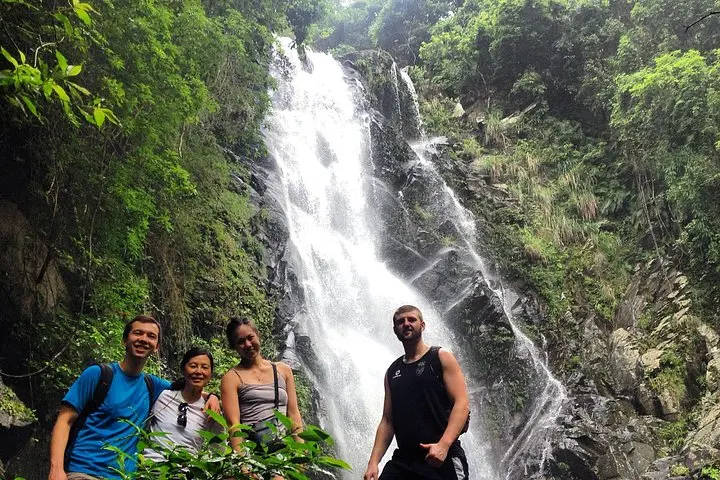

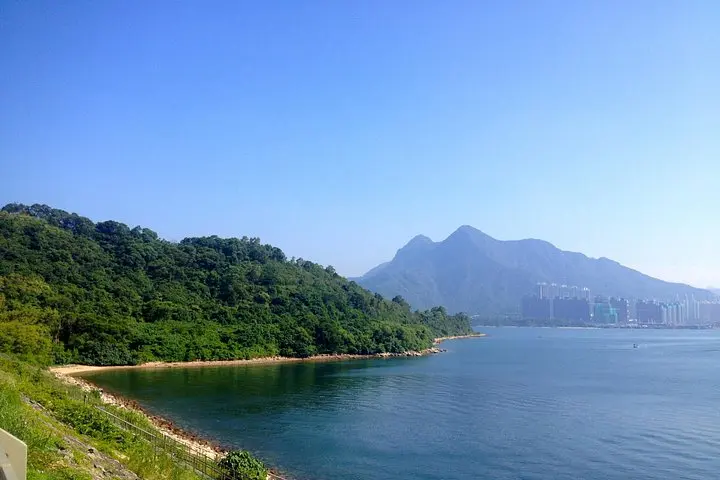
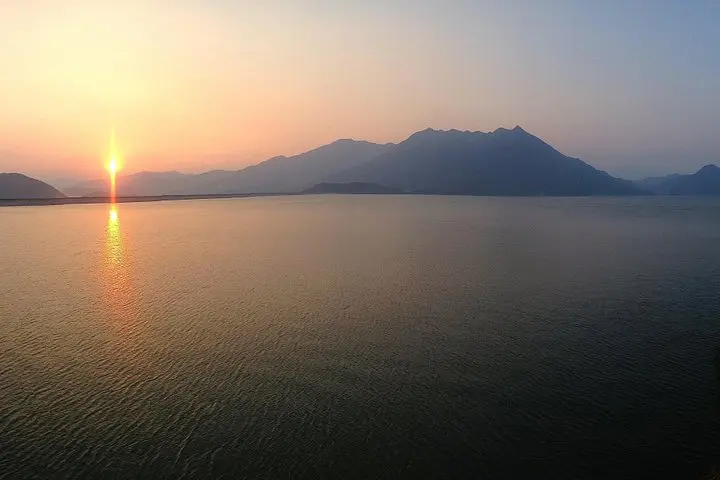
The tour opens at Tai Po Market MTR, where the city’s hum falls away and a patchwork of reservoirs and low ridges comes into view. Within twenty minutes on a lightweight hybrid, the road peels around the curved shoulder of Plover Cove Reservoir and the water begins to pull light like a sheet of glass. Riders trade traffic for wide shoulders, then clip out and shoulder their packs for a climb into moss-dark forest where streams dare you to follow them upstream to small, secret cascades.
The tour opens at Tai Po Market MTR, where the city’s hum falls away and a patchwork of reservoirs and low ridges comes into view. Within twenty minutes on a lightweight hybrid, the road peels around the curved shoulder of Plover Cove Reservoir and the water begins to pull light like a sheet of glass. Riders trade traffic for wide shoulders, then clip out and shoulder their packs for a climb into moss-dark forest where streams dare you to follow them upstream to small, secret cascades.
This four-hour loop—roughly 15–18 km of mixed cycling and hiking with about 300–400 m of cumulative elevation gain—pairs quiet country roads with singletrack that threads secondary forests above the reservoir. Geologically, Plover Cove occupies a drowned valley system cut into Hong Kong’s granite and volcanic bedrock; the reservoir’s concrete dam and horseshoe of seawater-cut inlets are products of postwar engineering that reshaped local waterways for freshwater storage. The area has long been a weekend refuge for residents of the New Territories; you’ll pass fishermen’s jetties and barbecue clearings that speak to a working relationship between city dwellers and these hills.
Culturally, the Tai Mei Tuk area is where New Territories ecology meets Cantonese weekend life: vendors sell sugarcane juice and skewered squid near parking fields, while elderly walkers keep time with methodical strides along the reservoir promenade. Your guide will point out indigenous banyan and gum trees, and explain how seasonal rains feed the highland pools that swell into waterfalls after heavier months.
Practicalities are straightforward. The tour starts and finishes at Tai Po Market MTR Exit B (outside Starbucks). Bikes, helmets and a professional guide are included; participants should be comfortable on narrow climbs and uneven trails—the hiking section involves short, rocky scrambles and wet roots. Footwear with good traction is essential. Bring 1–1.5 liters of water, sun protection, and a lightweight jacket; the route is exposed in places and wind can be sharp along the reservoir.
Timing matters: mornings are cooler and water in the cascades runs stronger after recent rains; afternoons offer softer light for photos but can be hotter. The operator does not recommend the route for those with serious medical conditions, back problems, or pregnant travelers. Groups are small—max eight—so there’s time to linger at pools and scout photo angles. Whether you’re after a strong half-day pedal with a rewarding hike to forest pools or a compact introduction to Hong Kong’s surprisingly wild New Territories, this route delivers a blend of engineering, water, and green that feels both accessible and restorative.