THE ADVENTURE COLLECTIVE® · Independent discovery and booking for outdoor travel

This full‑day guided tour runs from Boston to Cape Cod and Plymouth, combining coastal engineering, living history, and small‑town culture. Expect an 8–9 hour itinerary with guided stops at the Cape Cod Canal, Sandwich Boardwalk, Sandwich Glass Museum, and Plymouth’s Mayflower II.
This full‑day guided tour runs from Boston to Cape Cod and Plymouth, combining coastal engineering, living history, and small‑town culture. Expect an 8–9 hour itinerary with guided stops at the Cape Cod Canal, Sandwich Boardwalk, Sandwich Glass Museum, and Plymouth’s Mayflower II.
You step off an air-conditioned coach into salty air that smells of seaweed and diesel, the Cape Cod Canal cutting a deliberate line between mainland and arm. The guide, a local and former history teacher, sets the pace: measured, anecdotal, and pointed toward the facts that shaped New England.
Verified experiences and guided adventures in the surrounding area.
Operated by GreatBostonTours · Plymouth, Massachusetts
You step off an air-conditioned coach into salty air that smells of seaweed and diesel, the Cape Cod Canal cutting a deliberate line between mainland and arm. The guide, a local and former history teacher, sets the pace: measured, anecdotal, and pointed toward the facts that shaped New England.
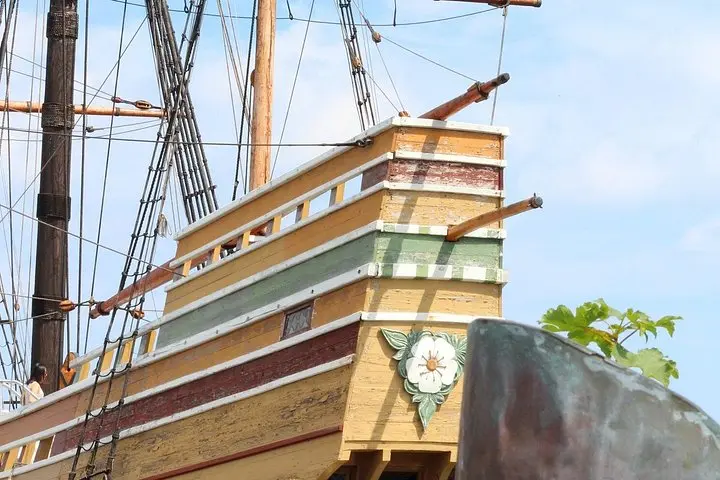
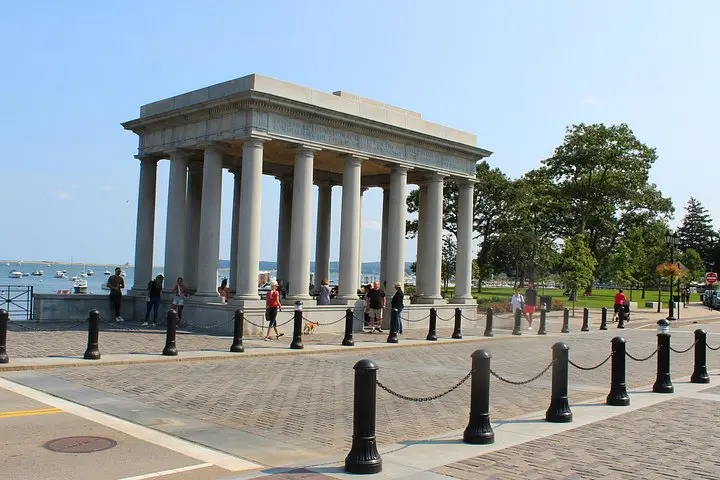
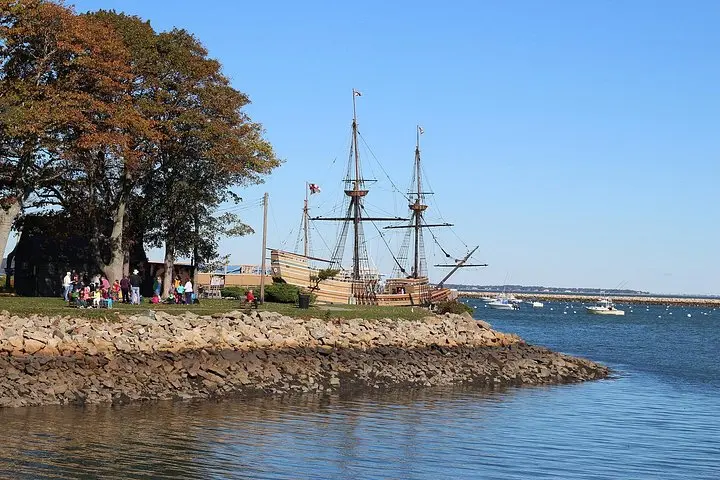
The day moves from engineering to early colonial life. At the canal, concrete locks and steel bridges tell a 20th‑century story of maritime commerce. Sandwich offers older chapters: the 1825 glassworks and a functioning 17th‑century grist mill that still grinds corn the old way. Plymouth’s monuments—the Mayflower II, Plymouth Rock, and the Forefathers Monument—anchor the narrative in 1600s settlement, winter survival, and evolving commemoration.
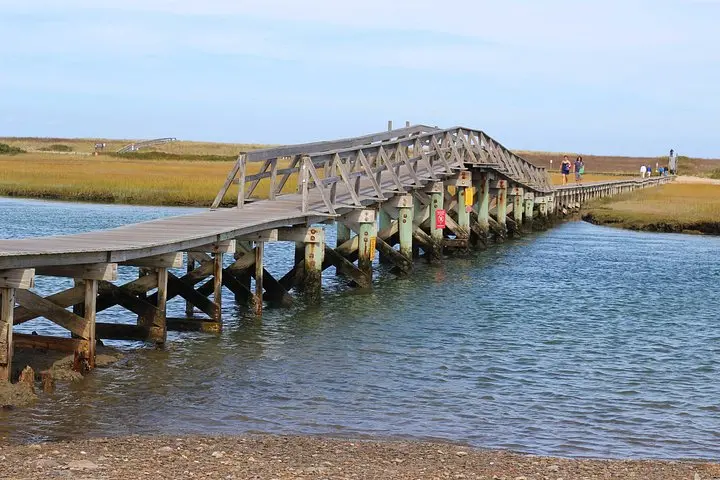
Geology and coastline behavior are visible in the dunes and salt marshes; tidal creeks push and pull with purpose, reminding you that this coast is active, not static. Local culture is practical—seafood shacks, small museums, and family‑run restaurants that trade on tradition more than spectacle.
Practical guidance: expect an 8–9 hour day with multiple short stops and one restaurant lunch break. Wear grippy walking shoes for boardwalks and uneven mill floors; bring layers for wind off the water and a waterproof shell in case of drizzle. Carry a reusable water bottle and a charged phone for photos; plazas and museum entries are often timed, so arrive at pickup on time. The itinerary is paced for lingering at key sites, but group size limits mean crowds can shape your visit—plan extra time in Boston before or after if you want to explore independently.
The tour lasts approximately 8–9 hours (480–540 minutes) with several scheduled stops and a lunch break.
Admissions listed in the itinerary such as the Sandwich Glass Museum, Dexter Grist Mill (seasonal), and Mayflower II are included per the tour description.
Groups are capped at 14 people for a more personal experience and easier movement at sites.
Yes; the tour is rated easy and suitable for all fitness levels, but it involves standing and short walks—consider mobility needs for older visitors.
GreatBostonTours operates guided outdoor trips and adventures with an emphasis on safety, stewardship, and memorable experiences.
You step off an air-conditioned coach into salty air that smells of seaweed and diesel, the Cape Cod Canal cutting a deliberate line between mainland and arm. The guide, a local and former history teacher, sets the pace: measured, anecdotal, and pointed toward the facts that shaped New England.
You step off an air-conditioned coach into salty air that smells of seaweed and diesel, the Cape Cod Canal cutting a deliberate line between mainland and arm. The guide, a local and former history teacher, sets the pace: measured, anecdotal, and pointed toward the facts that shaped New England.
The day moves from engineering to early colonial life. At the canal, concrete locks and steel bridges tell a 20th‑century story of maritime commerce. Sandwich offers older chapters: the 1825 glassworks and a functioning 17th‑century grist mill that still grinds corn the old way. Plymouth’s monuments—the Mayflower II, Plymouth Rock, and the Forefathers Monument—anchor the narrative in 1600s settlement, winter survival, and evolving commemoration.
Geology and coastline behavior are visible in the dunes and salt marshes; tidal creeks push and pull with purpose, reminding you that this coast is active, not static. Local culture is practical—seafood shacks, small museums, and family‑run restaurants that trade on tradition more than spectacle.
Practical guidance: expect an 8–9 hour day with multiple short stops and one restaurant lunch break. Wear grippy walking shoes for boardwalks and uneven mill floors; bring layers for wind off the water and a waterproof shell in case of drizzle. Carry a reusable water bottle and a charged phone for photos; plazas and museum entries are often timed, so arrive at pickup on time. The itinerary is paced for lingering at key sites, but group size limits mean crowds can shape your visit—plan extra time in Boston before or after if you want to explore independently.