THE ADVENTURE COLLECTIVE® · Independent discovery and booking for outdoor travel

Launch from Town Wharf and glide across calm Plymouth Harbor past the Mayflower II. This SUP rental suits beginners, families, and yoga-on-a-board sessions—perfect for a flexible 1–8 hour escape on protected coastal water.
Launch from Town Wharf and glide across calm Plymouth Harbor past the Mayflower II. This SUP rental suits beginners, families, and yoga-on-a-board sessions—perfect for a flexible 1–8 hour escape on protected coastal water.
You push off from the private Town Wharf dock and the harbor opens like a cool, glassy room. Seagulls wheel and the wind tugs at your paddle, coaxing you toward the Mayflower II and the low, rocky coastline that frames Plymouth Harbor. The water here is sheltered—ideal for first-time paddlers and SUP yoga—so your board feels steady beneath you while the town’s wooden wharves and clapboard roofs keep a watchful presence.
Verified experiences and guided adventures in the surrounding area.
Operated by Plymouth Watersports · Plymouth, Massachusetts
You push off from the private Town Wharf dock and the harbor opens like a cool, glassy room. Seagulls wheel and the wind tugs at your paddle, coaxing you toward the Mayflower II and the low, rocky coastline that frames Plymouth Harbor. The water here is sheltered—ideal for first-time paddlers and SUP yoga—so your board feels steady beneath you while the town’s wooden wharves and clapboard roofs keep a watchful presence.
Plymouth’s shoreline carries history: Pilgrim-era landings and Colonial shipbuilding shaped the harbor’s shallow coves and sandy spits. Geologically the coast is glacial—rounded boulders and pockets of salt marsh mark where ice once gouged the bay. Locally, the waterfront is working and recreational at once; lobstermen, sightseeing boats, and casual paddlers share the space with a practical, small-port culture.
On the water expect short routes of 1–3 miles, flat paddling, and minimal elevation—your biggest challenge is wind and boat traffic. Orientation covers leash use, righting a fallen board, and how to read tide flow before you go. Aim for morning or late afternoon when winds are gentler and the light turns the harbor silver.
Practical tips: wear a PFD (provided), secure a leash, carry a dry bottle, and give larger vessels a wide berth. Check the day’s wind and tide, and plan a turnaround point near an easy beach access. For families and beginners this is a low-impact, high-satisfaction way to connect with Plymouth’s maritime character without needing advanced skills.
No—boards are wide and stable, and staff provide a safety overview and basic technique tips suitable for first-timers.
Check in at the ticket booth directly across from Wood’s Seafood on Town Wharf; rentals launch from the private dock there.
Yes—standard rentals include a lifejacket and leash; you can bring personal equipment if preferred.
You can view them from the water, but maintain a respectful distance to avoid interfering with docked vessels and commercial operations.
Plymouth Watersports operates guided outdoor trips and adventures with an emphasis on safety, stewardship, and memorable experiences.
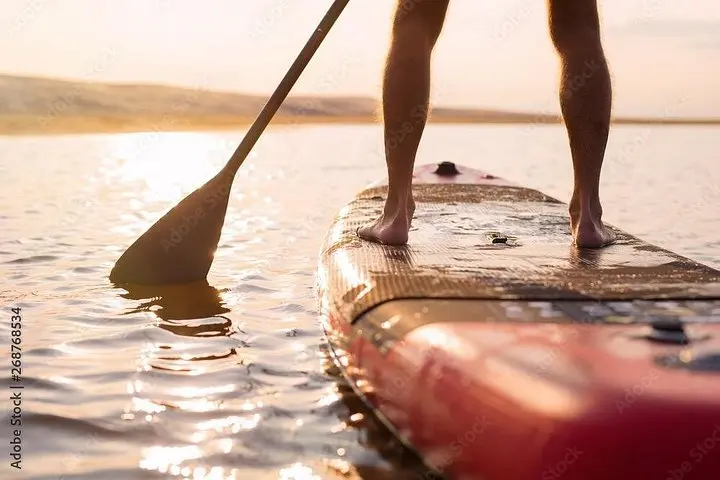



You push off from the private Town Wharf dock and the harbor opens like a cool, glassy room. Seagulls wheel and the wind tugs at your paddle, coaxing you toward the Mayflower II and the low, rocky coastline that frames Plymouth Harbor. The water here is sheltered—ideal for first-time paddlers and SUP yoga—so your board feels steady beneath you while the town’s wooden wharves and clapboard roofs keep a watchful presence.
You push off from the private Town Wharf dock and the harbor opens like a cool, glassy room. Seagulls wheel and the wind tugs at your paddle, coaxing you toward the Mayflower II and the low, rocky coastline that frames Plymouth Harbor. The water here is sheltered—ideal for first-time paddlers and SUP yoga—so your board feels steady beneath you while the town’s wooden wharves and clapboard roofs keep a watchful presence.
Plymouth’s shoreline carries history: Pilgrim-era landings and Colonial shipbuilding shaped the harbor’s shallow coves and sandy spits. Geologically the coast is glacial—rounded boulders and pockets of salt marsh mark where ice once gouged the bay. Locally, the waterfront is working and recreational at once; lobstermen, sightseeing boats, and casual paddlers share the space with a practical, small-port culture.
On the water expect short routes of 1–3 miles, flat paddling, and minimal elevation—your biggest challenge is wind and boat traffic. Orientation covers leash use, righting a fallen board, and how to read tide flow before you go. Aim for morning or late afternoon when winds are gentler and the light turns the harbor silver.
Practical tips: wear a PFD (provided), secure a leash, carry a dry bottle, and give larger vessels a wide berth. Check the day’s wind and tide, and plan a turnaround point near an easy beach access. For families and beginners this is a low-impact, high-satisfaction way to connect with Plymouth’s maritime character without needing advanced skills.