THE ADVENTURE COLLECTIVE® · Independent discovery and booking for outdoor travel

Stand on volcanic soil and follow coffee from seed to cup in a focused one-hour tour on Poás Volcano’s slopes. Expect hands-on demos, a roasting show and a guided tasting ideal for families and coffee lovers.
Stand on volcanic soil and follow coffee from seed to cup in a focused one-hour tour on Poás Volcano’s slopes. Expect hands-on demos, a roasting show and a guided tasting ideal for families and coffee lovers.
A cool mist clings to the slope as you step from the van onto volcanic loam, the sharp perfume of wet earth cut by the warm, bitter sweetness of freshly roasted coffee.
Verified experiences and guided adventures in the surrounding area.
Operated by Poas Volcano Coffee tour · Alajuela, Alajuela Province
A cool mist clings to the slope as you step from the van onto volcanic loam, the sharp perfume of wet earth cut by the warm, bitter sweetness of freshly roasted coffee.
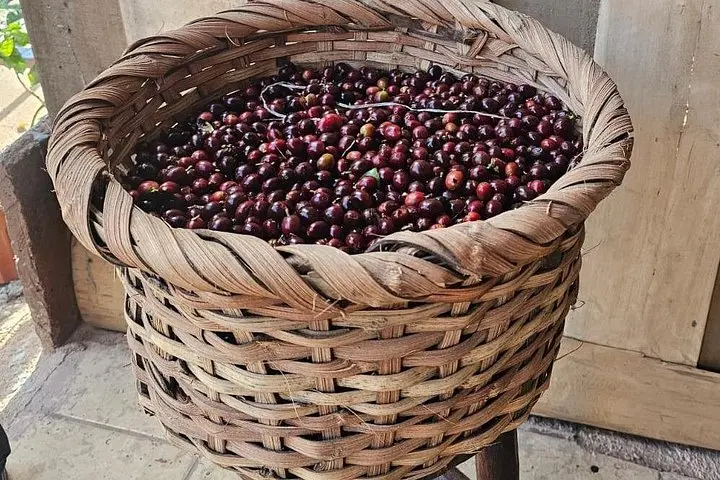
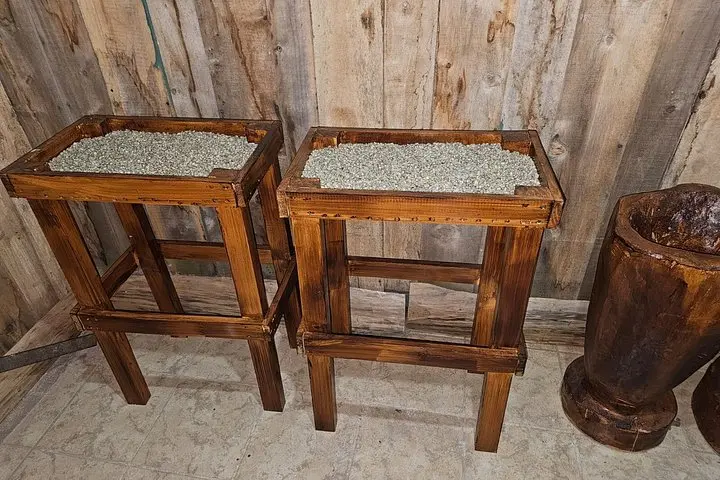
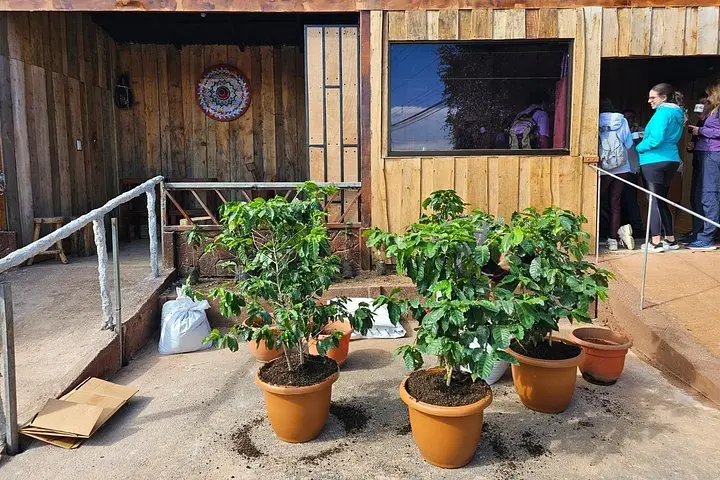
On the flanks of Poás Volcano, small family farms guide visitors through coffee's life cycle: the seed tucked into nursery beds, the sun-bronzed cherries at harvest, the mechanical click of a roaster and the careful pour of a cupping. The setting feels half laboratory, half living classroom—soil, altitude and volcanic minerals visible in every dusty ridge.
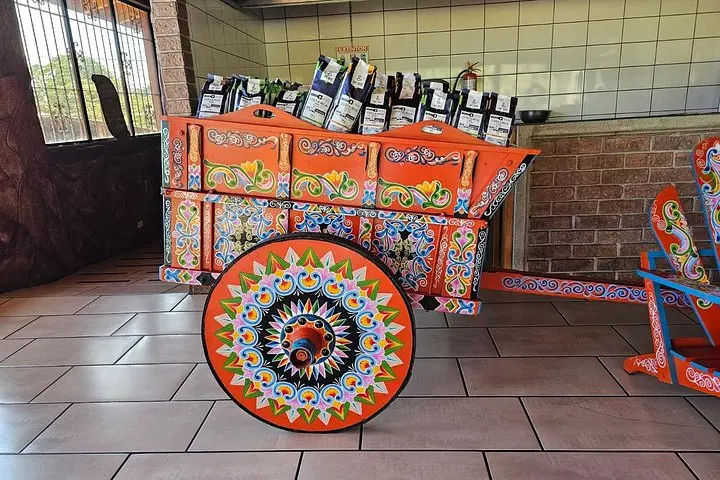
Geologically, Poás lends rich, well-draining soil that helped Costa Rica build a global reputation for bright, balanced beans. Culturally, coffee is woven into local rhythms; tours like this are often run by multi-generational farms that balance traditional methods and modern processing.
Practicalities are straightforward: expect a one-hour, small-group session that covers planting, harvesting, processing, roasting and a guided tasting. Paths are mostly flat and wheelchair accessible, but mornings can be foggy and temperatures drop with elevation, so dress in layers.
Bring a notebook if you want tasting notes, and arrive early for clearer views of the volcano. Families are welcome; the hands-on elements are suitable for older children. Photography is allowed but be respectful in processing areas. The experience is short but concentrated—ideal as a half-day cultural add-on when based in Alajuela or San José, and an efficient way to connect soil, sun and cup.
The guided experience runs about 60 minutes and includes planting, processing demonstrations, roasting and a tasting.
Yes — the supplier indicates paths and surfaces are wheelchair accessible and stroller friendly.
Yes — family-friendly and suitable for older children; infants may need supervision around equipment.
Tours typically depart from nearby towns; check your booking for pickup options or plan private transport from Alajuela or San José.
Poas Volcano Coffee tour operates guided outdoor trips and adventures with an emphasis on safety, stewardship, and memorable experiences.
A cool mist clings to the slope as you step from the van onto volcanic loam, the sharp perfume of wet earth cut by the warm, bitter sweetness of freshly roasted coffee.
A cool mist clings to the slope as you step from the van onto volcanic loam, the sharp perfume of wet earth cut by the warm, bitter sweetness of freshly roasted coffee.
On the flanks of Poás Volcano, small family farms guide visitors through coffee's life cycle: the seed tucked into nursery beds, the sun-bronzed cherries at harvest, the mechanical click of a roaster and the careful pour of a cupping. The setting feels half laboratory, half living classroom—soil, altitude and volcanic minerals visible in every dusty ridge.
Geologically, Poás lends rich, well-draining soil that helped Costa Rica build a global reputation for bright, balanced beans. Culturally, coffee is woven into local rhythms; tours like this are often run by multi-generational farms that balance traditional methods and modern processing.
Practicalities are straightforward: expect a one-hour, small-group session that covers planting, harvesting, processing, roasting and a guided tasting. Paths are mostly flat and wheelchair accessible, but mornings can be foggy and temperatures drop with elevation, so dress in layers.
Bring a notebook if you want tasting notes, and arrive early for clearer views of the volcano. Families are welcome; the hands-on elements are suitable for older children. Photography is allowed but be respectful in processing areas. The experience is short but concentrated—ideal as a half-day cultural add-on when based in Alajuela or San José, and an efficient way to connect soil, sun and cup.