THE ADVENTURE COLLECTIVE® · Independent discovery and booking for outdoor travel

Spend a full day hiking viewpoints, sampling volcanic-grown coffee and standing beneath La Paz’s plunging falls. This guided loop from San José mixes geology, cloud-forest walks and a hands-on coffee visit — all in one accessible, weather-dependent outing.
Spend a full day hiking viewpoints, sampling volcanic-grown coffee and standing beneath La Paz’s plunging falls. This guided loop from San José mixes geology, cloud-forest walks and a hands-on coffee visit — all in one accessible, weather-dependent outing.
The air sharpens as the van climbs out of San José — a slow trade from city heat into a green, mist-softened world. By the time the road tightens and the trees thicken, the cloud forest has taken on a voice: leaves whisper, stream water hurries, and the Poás crater looms like a sleeping giant that still insists on clearing its throat. At the crater viewpoint the sulfur fumaroles steam, the rim winds underfoot and the landscape dares you to imagine the forces that carved it.
Verified experiences and guided adventures in the surrounding area.
Operated by Costa Rica Itinerary · Alajuela, Alajuela Province
The air sharpens as the van climbs out of San José — a slow trade from city heat into a green, mist-softened world. By the time the road tightens and the trees thicken, the cloud forest has taken on a voice: leaves whisper, stream water hurries, and the Poás crater looms like a sleeping giant that still insists on clearing its throat. At the crater viewpoint the sulfur fumaroles steam, the rim winds underfoot and the landscape dares you to imagine the forces that carved it.
This full-day loop pairs high-altitude geology with the humid theatrics of La Paz Waterfall and the cultivated calm of a coffee finca. Poás is a stratovolcano rising to about 2,708 m (8,885 ft) with a main crater more than a mile across and nearly 320 m (1,050 ft) deep. Its frequent activity shaped both the soils and human settlement in Costa Rica’s Central Valley: volcanic rock and ash broke down into some of the richest coffee lands in the country.
After the crater, the tour shifts gears. At the coffee farm guides walk visitors through stages of cultivation — from cherry to cup — and there’s time to sample a brew that grew literally on volcanic stamina. The route down to La Paz changes volume again: waterfalls collect and crash through a fern-draped canyon, spray catching light like small, persistent storms.
Culturally, the day compresses Costa Rica’s three defining economies into one itinerary: agriculture, conservation and tourism. Poás Park closed after eruptions in 2017 and reopened with restricted access, a reminder that safety protocols and park fees are part of preserving access to volatile landscapes.
Practical guidance: the itinerary runs 8–12 hours and includes short paved and unpaved walks, so wear sturdy walking shoes with good grip. Bring layers — temperatures can drop sharply at crater elevation and the cloud forest can be damp even on a sunny day. Hydrate before and during the excursion; bottled water is provided, but a reusable bottle with a filter is useful for longer trips.
Timing matters: mornings clear more often at the crater, so earlier departures increase the chance of unobstructed views. If you’re sensitive to altitude or sulfur fumes, keep visits brief and stay on official viewpoints. Photography benefits from contrast: aim for morning or late afternoon light for the crater and soft overcast conditions for waterfall shots.
For travelers, this day trip is a practical way to experience Costa Rica’s geological drama, botanical diversity and agricultural heritage in a single, well-paced loop — a compact, weather-dependent portrait of the country’s highlands.
Yes — hotel pickup and drop-off from San José are included; confirm your pickup point when booking.
Park fees are listed in the tour inclusions, so you won’t need to pay at the gate.
The tour is rated easy: walking is limited to short paved or gravel trails and viewpoints; no technical hiking is required.
The operator follows park restrictions and can alter the itinerary or cancel; refunds follow the standard cancellation policy if the park closes.
A traditional Costa Rican lunch and bottled water are included at a restaurant near the volcano.
Children are welcome but must be accompanied by an adult; check for age-specific safety recommendations related to fumes and viewing areas.
Costa Rica Itinerary operates guided outdoor trips and adventures with an emphasis on safety, stewardship, and memorable experiences.
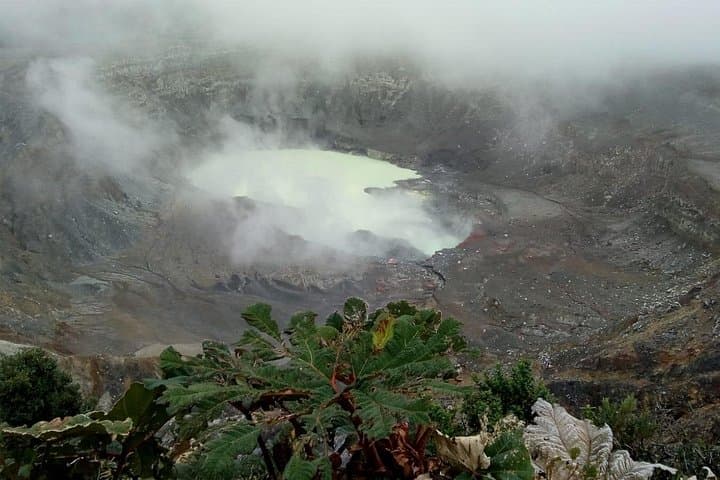


The air sharpens as the van climbs out of San José — a slow trade from city heat into a green, mist-softened world. By the time the road tightens and the trees thicken, the cloud forest has taken on a voice: leaves whisper, stream water hurries, and the Poás crater looms like a sleeping giant that still insists on clearing its throat. At the crater viewpoint the sulfur fumaroles steam, the rim winds underfoot and the landscape dares you to imagine the forces that carved it.
The air sharpens as the van climbs out of San José — a slow trade from city heat into a green, mist-softened world. By the time the road tightens and the trees thicken, the cloud forest has taken on a voice: leaves whisper, stream water hurries, and the Poás crater looms like a sleeping giant that still insists on clearing its throat. At the crater viewpoint the sulfur fumaroles steam, the rim winds underfoot and the landscape dares you to imagine the forces that carved it.
This full-day loop pairs high-altitude geology with the humid theatrics of La Paz Waterfall and the cultivated calm of a coffee finca. Poás is a stratovolcano rising to about 2,708 m (8,885 ft) with a main crater more than a mile across and nearly 320 m (1,050 ft) deep. Its frequent activity shaped both the soils and human settlement in Costa Rica’s Central Valley: volcanic rock and ash broke down into some of the richest coffee lands in the country.
After the crater, the tour shifts gears. At the coffee farm guides walk visitors through stages of cultivation — from cherry to cup — and there’s time to sample a brew that grew literally on volcanic stamina. The route down to La Paz changes volume again: waterfalls collect and crash through a fern-draped canyon, spray catching light like small, persistent storms.
Culturally, the day compresses Costa Rica’s three defining economies into one itinerary: agriculture, conservation and tourism. Poás Park closed after eruptions in 2017 and reopened with restricted access, a reminder that safety protocols and park fees are part of preserving access to volatile landscapes.
Practical guidance: the itinerary runs 8–12 hours and includes short paved and unpaved walks, so wear sturdy walking shoes with good grip. Bring layers — temperatures can drop sharply at crater elevation and the cloud forest can be damp even on a sunny day. Hydrate before and during the excursion; bottled water is provided, but a reusable bottle with a filter is useful for longer trips.
Timing matters: mornings clear more often at the crater, so earlier departures increase the chance of unobstructed views. If you’re sensitive to altitude or sulfur fumes, keep visits brief and stay on official viewpoints. Photography benefits from contrast: aim for morning or late afternoon light for the crater and soft overcast conditions for waterfall shots.
For travelers, this day trip is a practical way to experience Costa Rica’s geological drama, botanical diversity and agricultural heritage in a single, well-paced loop — a compact, weather-dependent portrait of the country’s highlands.