THE ADVENTURE COLLECTIVE® · Independent discovery and booking for outdoor travel

Combine a high-altitude crater, jungle waterfalls, and sunlit coffee farms in a single private day from San José. This route highlights Poás’s steaming rim, La Paz’s rainforest trails and cascades, and a classic coffee stop on volcanic slopes.
Combine a high-altitude crater, jungle waterfalls, and sunlit coffee farms in a single private day from San José. This route highlights Poás’s steaming rim, La Paz’s rainforest trails and cascades, and a classic coffee stop on volcanic slopes.
Morning cloud presses close on the high road out of San José and, within an hour, the air sharpens: moss clings to rails, and a steaming crater sits like a green eye in the mountains. The private day trip threads three distinct Costa Rican landscapes—an active crater at Poás, the thunder of La Paz’s cascades, and sun-warmed coffee plots on volcanic slopes—into a single, accessible day.
Verified experiences and guided adventures in the surrounding area.
Operated by Welcome Pickups · Alajuela, Alajuela
Morning cloud presses close on the high road out of San José and, within an hour, the air sharpens: moss clings to rails, and a steaming crater sits like a green eye in the mountains. The private day trip threads three distinct Costa Rican landscapes—an active crater at Poás, the thunder of La Paz’s cascades, and sun-warmed coffee plots on volcanic slopes—into a single, accessible day.
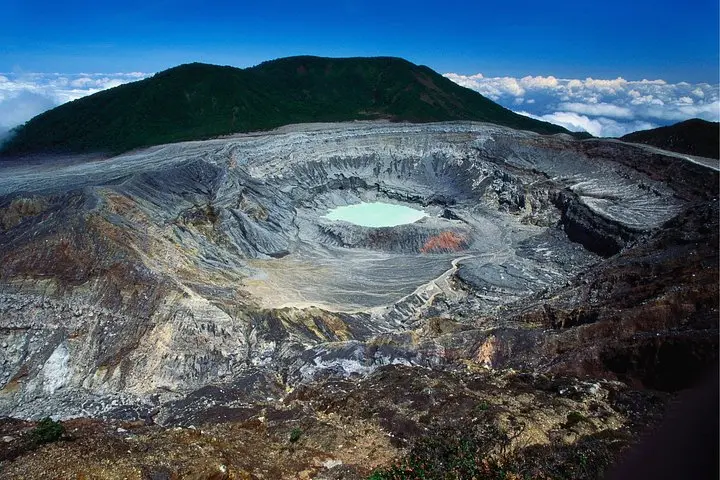
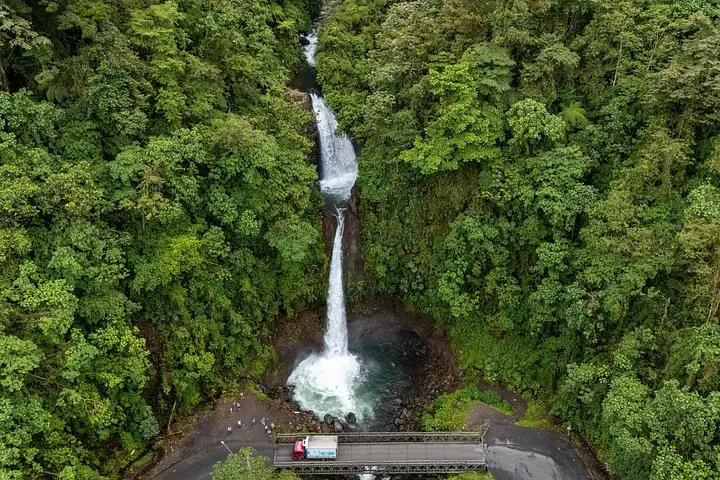
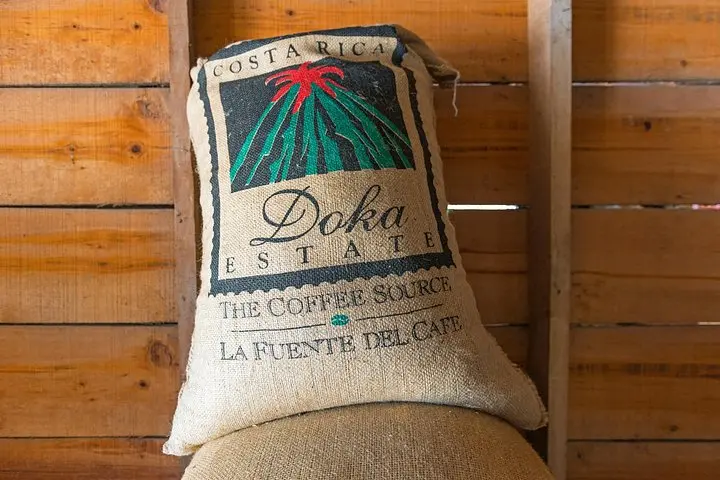
Geology and human story arrive together here. Poás is an andesitic stratovolcano whose acidic crater lake and fumaroles reflect the tectonic forces of the Central American volcanic arc; at about 2,700 m the cool cloud-forest hosts unique flora adapted to mist and mineral-rich soils. La Paz Waterfall Gardens sits lower, where erosion has carved stair-step falls through old lava and sediment, now framed by trails, a butterfly house, and a wildlife rescue center. Coffee estates like Doka evolved on these fertile slopes in the 19th century, shaping local culture and livelihoods.
Practicalities are straightforward: the full loop runs roughly 8 hours door-to-door with hotel pickup, and park entrances are paid on-site (Poás and La Paz have separate fees). Expect altitudinal chill at Poás—bring a warm layer—and muddy trails at La Paz during the wet season. The coffee stop is usually self-guided; tastings or guided tours may cost extra. Drivers provide local context, but plan time for photography and short walks rather than long hikes.
Best times: early morning window at Poás for crater views, and late morning to early afternoon at La Paz when light catches the falls. Stay on marked paths, carry water, and keep camera batteries warm—the landscape moves fast, from steaming vents to hummingbird gardens to ridgeline coffee rows.
No—entrance to Poás Volcano National Park and La Paz Waterfall Gardens are paid on-site and are separate from the tour price.
Yes—short walks and paved viewing platforms are stroller-accessible at Poás, but some waterfall paths at La Paz include steps; infant seats are available on request.
Poás is active and often steams; visibility varies with weather and park access—rangers may restrict access during high emissions or poor conditions.
No—the coffee plantation stop is typically self-guided; tastings or plantation tours may be available on-site for an extra cost.
Welcome Pickups operates guided outdoor trips and adventures with an emphasis on safety, stewardship, and memorable experiences.
Morning cloud presses close on the high road out of San José and, within an hour, the air sharpens: moss clings to rails, and a steaming crater sits like a green eye in the mountains. The private day trip threads three distinct Costa Rican landscapes—an active crater at Poás, the thunder of La Paz’s cascades, and sun-warmed coffee plots on volcanic slopes—into a single, accessible day.
Morning cloud presses close on the high road out of San José and, within an hour, the air sharpens: moss clings to rails, and a steaming crater sits like a green eye in the mountains. The private day trip threads three distinct Costa Rican landscapes—an active crater at Poás, the thunder of La Paz’s cascades, and sun-warmed coffee plots on volcanic slopes—into a single, accessible day.
Geology and human story arrive together here. Poás is an andesitic stratovolcano whose acidic crater lake and fumaroles reflect the tectonic forces of the Central American volcanic arc; at about 2,700 m the cool cloud-forest hosts unique flora adapted to mist and mineral-rich soils. La Paz Waterfall Gardens sits lower, where erosion has carved stair-step falls through old lava and sediment, now framed by trails, a butterfly house, and a wildlife rescue center. Coffee estates like Doka evolved on these fertile slopes in the 19th century, shaping local culture and livelihoods.
Practicalities are straightforward: the full loop runs roughly 8 hours door-to-door with hotel pickup, and park entrances are paid on-site (Poás and La Paz have separate fees). Expect altitudinal chill at Poás—bring a warm layer—and muddy trails at La Paz during the wet season. The coffee stop is usually self-guided; tastings or guided tours may cost extra. Drivers provide local context, but plan time for photography and short walks rather than long hikes.
Best times: early morning window at Poás for crater views, and late morning to early afternoon at La Paz when light catches the falls. Stay on marked paths, carry water, and keep camera batteries warm—the landscape moves fast, from steaming vents to hummingbird gardens to ridgeline coffee rows.