THE ADVENTURE COLLECTIVE® · Independent discovery and booking for outdoor travel

See one of the planet’s largest accessible volcanic craters, five dramatic waterfalls, and a leading wildlife sanctuary in a single half-day from San José. This combo pairs geology, wildlife, and a coffee stop for a compact Costa Rican nature experience.
See one of the planet’s largest accessible volcanic craters, five dramatic waterfalls, and a leading wildlife sanctuary in a single half-day from San José. This combo pairs geology, wildlife, and a coffee stop for a compact Costa Rican nature experience.
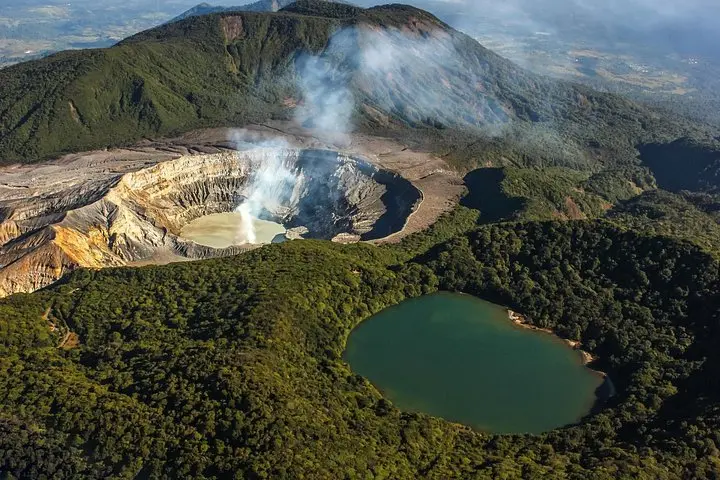
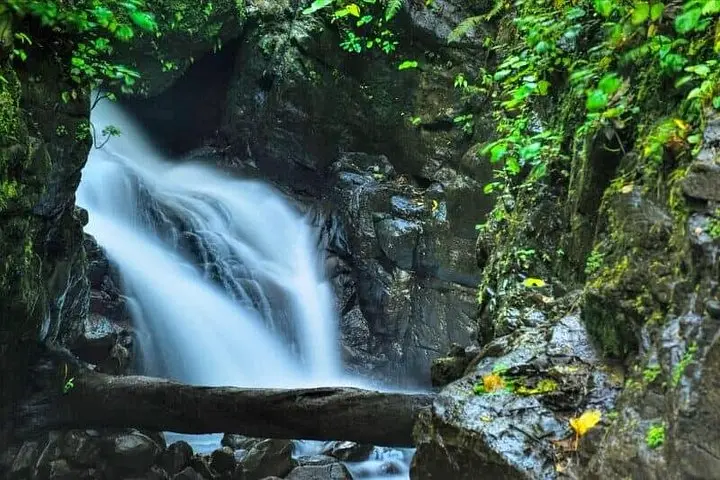
A cool mist steals over the rim as the group steps from the air-conditioned van and the crater breathes. Poás Volcano’s vast, steaming caldera dominates the highland skyline while lower slopes thread into the forested approach to La Paz Waterfall Gardens, where water finds a hundred ways to throw itself into the gorge.
Verified experiences and guided adventures in the surrounding area.
Operated by Tico Travel Adventures · Alajuela, Alajuela
A cool mist steals over the rim as the group steps from the air-conditioned van and the crater breathes. Poás Volcano’s vast, steaming caldera dominates the highland skyline while lower slopes thread into the forested approach to La Paz Waterfall Gardens, where water finds a hundred ways to throw itself into the gorge.
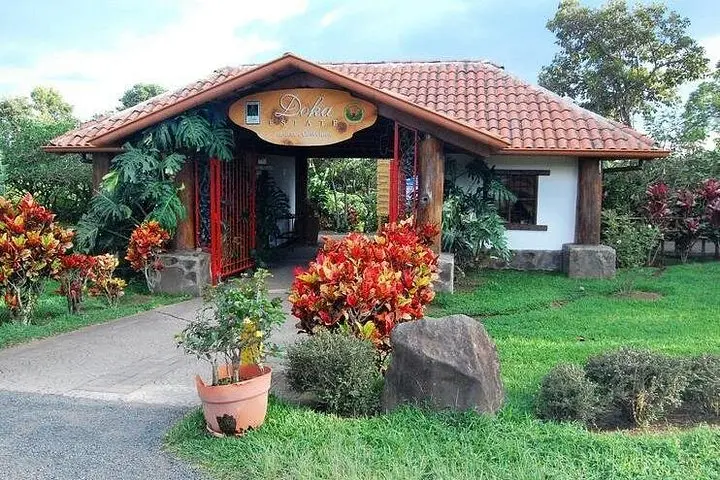
Visitors will find volcanic geology up close at Poás: an andesitic crater among Costa Rica’s active volcanic chain, shaped by explosive eruptions and persistent fumarolic activity. Nearby, La Paz Waterfall Gardens occupies old volcanic foothills that funnel rain into a series of cataracts and plunge pools, and its rescued-animal sanctuary offers an accessible window into the country’s biodiversity. Culturally, the route runs through coffee-producing valleys; the combo often includes a guided coffee plantation stop that explains bean processing and local farm life.
Practical guidance: the full outing is a 2–3 hour excursion from central pickup, but allow a half day for transit and leisurely stops. Expect uneven paved and dirt paths, short stair sections at waterfall viewpoints, and higher elevation at Poás (around 2,708 m / 8,885 ft) with cooler temperatures and sporadic drizzle. Bring a rain layer, grippy footwear, and a charged camera; binoculars reward close looks at hummingbirds and toucans.
Accessibility is generally good—many paths and transport options accommodate mobility needs, though some lookout platforms and steps remain non-transferable. Guides provide bilingual context and lunch; travelers should be prepared for quick weather shifts and follow park safety signage around the crater rim.
Pickup windows typically begin early morning; the guided portion runs about 2–3 hours, but plan for a half-day including transport and stops.
Poás is an active volcano with managed access; parks open or close based on monitoring—operators follow park advisories and will cancel/refund if the crater is closed for safety.
Yes — La Paz Waterfall Gardens is family-oriented with accessible paths and an animal sanctuary, though some trails have steps and require supervision.
Typical inclusions are bilingual guide, entrance fees to Poás and La Paz, a coffee plantation visit, lunch, and air-conditioned transport; confirm specifics at booking.
Tico Travel Adventures operates guided outdoor trips and adventures with an emphasis on safety, stewardship, and memorable experiences.

A cool mist steals over the rim as the group steps from the air-conditioned van and the crater breathes. Poás Volcano’s vast, steaming caldera dominates the highland skyline while lower slopes thread into the forested approach to La Paz Waterfall Gardens, where water finds a hundred ways to throw itself into the gorge.
A cool mist steals over the rim as the group steps from the air-conditioned van and the crater breathes. Poás Volcano’s vast, steaming caldera dominates the highland skyline while lower slopes thread into the forested approach to La Paz Waterfall Gardens, where water finds a hundred ways to throw itself into the gorge.
Visitors will find volcanic geology up close at Poás: an andesitic crater among Costa Rica’s active volcanic chain, shaped by explosive eruptions and persistent fumarolic activity. Nearby, La Paz Waterfall Gardens occupies old volcanic foothills that funnel rain into a series of cataracts and plunge pools, and its rescued-animal sanctuary offers an accessible window into the country’s biodiversity. Culturally, the route runs through coffee-producing valleys; the combo often includes a guided coffee plantation stop that explains bean processing and local farm life.
Practical guidance: the full outing is a 2–3 hour excursion from central pickup, but allow a half day for transit and leisurely stops. Expect uneven paved and dirt paths, short stair sections at waterfall viewpoints, and higher elevation at Poás (around 2,708 m / 8,885 ft) with cooler temperatures and sporadic drizzle. Bring a rain layer, grippy footwear, and a charged camera; binoculars reward close looks at hummingbirds and toucans.
Accessibility is generally good—many paths and transport options accommodate mobility needs, though some lookout platforms and steps remain non-transferable. Guides provide bilingual context and lunch; travelers should be prepared for quick weather shifts and follow park safety signage around the crater rim.