THE ADVENTURE COLLECTIVE® · Independent discovery and booking for outdoor travel

Spend a day exploring three distinct faces of Catalonia: the medieval Monastery of Poblet, Igualada’s leather and textile heritage, and the dramatic sanctuary of Montserrat. This full-day tour pairs cultural history with simple panoramic hiking and local insights.
Spend a day exploring three distinct faces of Catalonia: the medieval Monastery of Poblet, Igualada’s leather and textile heritage, and the dramatic sanctuary of Montserrat. This full-day tour pairs cultural history with simple panoramic hiking and local insights.
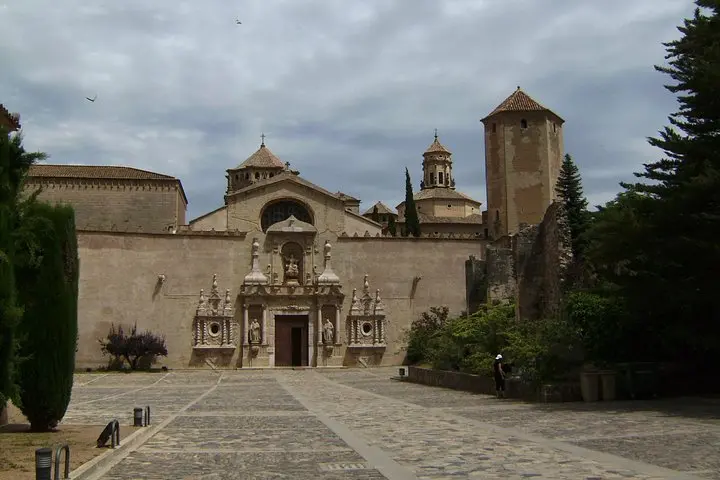
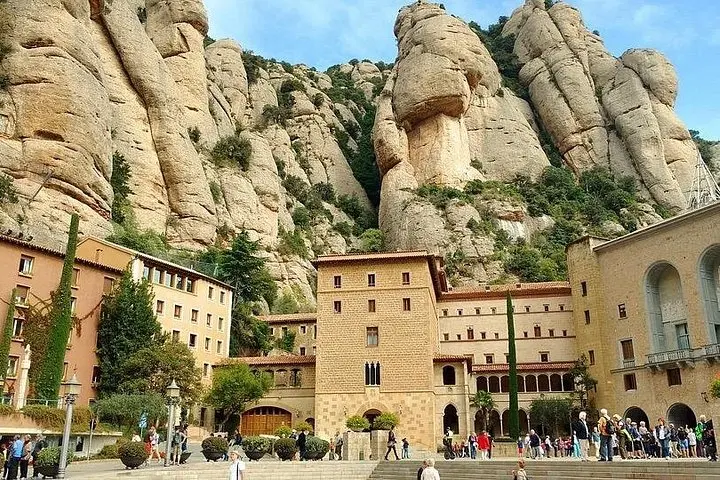
You step off the van into a courtyard paved with centuries — stone cool underfoot, the bell of the Cistercian abbey of Poblet cutting through the morning air. The tour threads between contrasting Catalan sites: the medieval silence of Poblet, the pragmatic industrial streets of Igualada, and the serrated cliffs of Montserrat where the black-robed statue of La Moreneta watches over pilgrims.
Verified experiences and guided adventures in the surrounding area.
Operated by BARCELONA LANDS · Montserrat, Catalonia
You step off the van into a courtyard paved with centuries — stone cool underfoot, the bell of the Cistercian abbey of Poblet cutting through the morning air. The tour threads between contrasting Catalan sites: the medieval silence of Poblet, the pragmatic industrial streets of Igualada, and the serrated cliffs of Montserrat where the black-robed statue of La Moreneta watches over pilgrims.
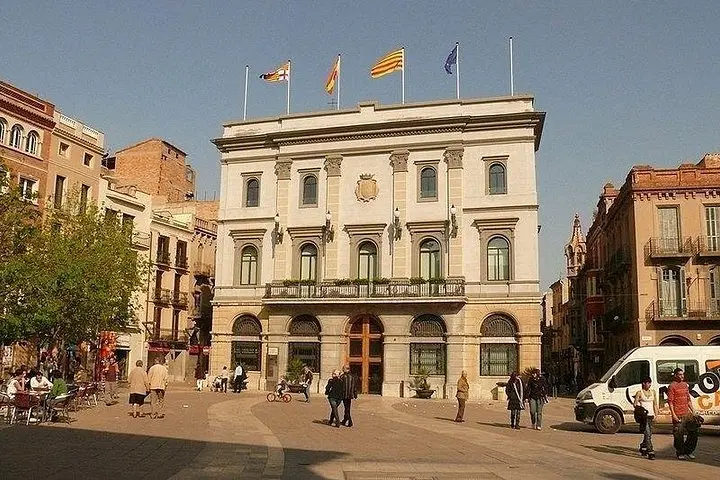
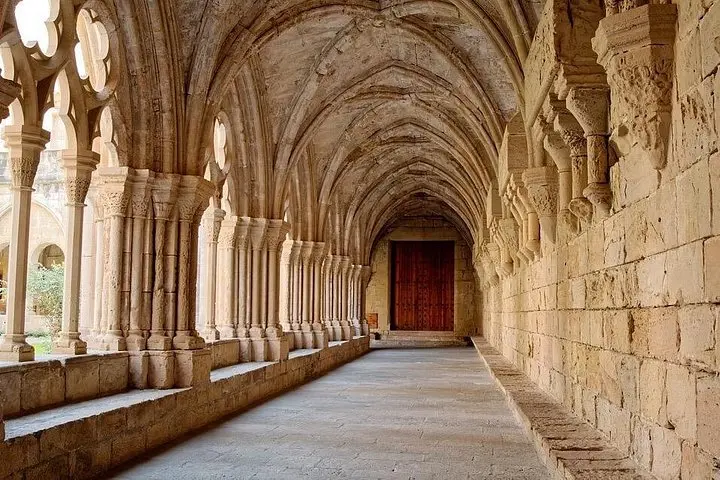
Poblet (founded 1151) is one of Europe’s best-preserved Cistercian complexes; its cloisters, monks’ cells and fortified walls reveal monastic life shaped by Romanesque and Gothic hands. Igualada tells a different story — a town reborn by textile and leather industries, with the Pil Museum chronicling tanneries, machinery and local craft. Then Montserrat: a jagged conglomerate massif shaped by erosion, hosting a Benedictine sanctuary whose devotion and choir (the Escolania) are woven into Catalonia’s cultural identity.
Expect short guided walks, interior visits to key monuments, and time at a panoramic viewpoint above the monastery for a long lunch with sweeping views. The day is mostly easy walking on paved or packed surfaces, but some sites include stairs and uneven stone floors.
Practical edge: bring sturdy walking shoes, sun protection and a refillable water bottle. If you travel light, the tour’s private transport and hotel pickup from Salou/Tarragona make logistics straightforward; if you prefer depth, ask the guide about the monastery’s cloister details and the Santa Cova trail at Montserrat before you go.
Yes — the itinerary notes entrance to the Monastery of Poblet is included in the tour.
Lunch is typically not included; the schedule allows time for a sit-down lunch at Montserrat—bring cash or a card for local restaurants.
The tour is listed as stroller-accessible and suitable for all fitness levels, though some monastery interiors and viewpoint access include steps.
Pickup is personalized from hotels in Salou/Tarragona as stated in the booking details—confirm your exact pickup point when you reserve.
BARCELONA LANDS operates guided outdoor trips and adventures with an emphasis on safety, stewardship, and memorable experiences.
You step off the van into a courtyard paved with centuries — stone cool underfoot, the bell of the Cistercian abbey of Poblet cutting through the morning air. The tour threads between contrasting Catalan sites: the medieval silence of Poblet, the pragmatic industrial streets of Igualada, and the serrated cliffs of Montserrat where the black-robed statue of La Moreneta watches over pilgrims.
You step off the van into a courtyard paved with centuries — stone cool underfoot, the bell of the Cistercian abbey of Poblet cutting through the morning air. The tour threads between contrasting Catalan sites: the medieval silence of Poblet, the pragmatic industrial streets of Igualada, and the serrated cliffs of Montserrat where the black-robed statue of La Moreneta watches over pilgrims.
Poblet (founded 1151) is one of Europe’s best-preserved Cistercian complexes; its cloisters, monks’ cells and fortified walls reveal monastic life shaped by Romanesque and Gothic hands. Igualada tells a different story — a town reborn by textile and leather industries, with the Pil Museum chronicling tanneries, machinery and local craft. Then Montserrat: a jagged conglomerate massif shaped by erosion, hosting a Benedictine sanctuary whose devotion and choir (the Escolania) are woven into Catalonia’s cultural identity.
Expect short guided walks, interior visits to key monuments, and time at a panoramic viewpoint above the monastery for a long lunch with sweeping views. The day is mostly easy walking on paved or packed surfaces, but some sites include stairs and uneven stone floors.
Practical edge: bring sturdy walking shoes, sun protection and a refillable water bottle. If you travel light, the tour’s private transport and hotel pickup from Salou/Tarragona make logistics straightforward; if you prefer depth, ask the guide about the monastery’s cloister details and the Santa Cova trail at Montserrat before you go.