THE ADVENTURE COLLECTIVE® · Independent discovery and booking for outdoor travel

A single-day excursion from Podgorica traces braided rivers and old walls: a dramatic waterfall near the city, the storied Rozafa Fortress in Shkodra, and the reed-lined shores of Lake Skadar. Expect short walks, cultural stops, and a chance to swim at an eco-resort.
A single-day excursion from Podgorica traces braided rivers and old walls: a dramatic waterfall near the city, the storied Rozafa Fortress in Shkodra, and the reed-lined shores of Lake Skadar. Expect short walks, cultural stops, and a chance to swim at an eco-resort.
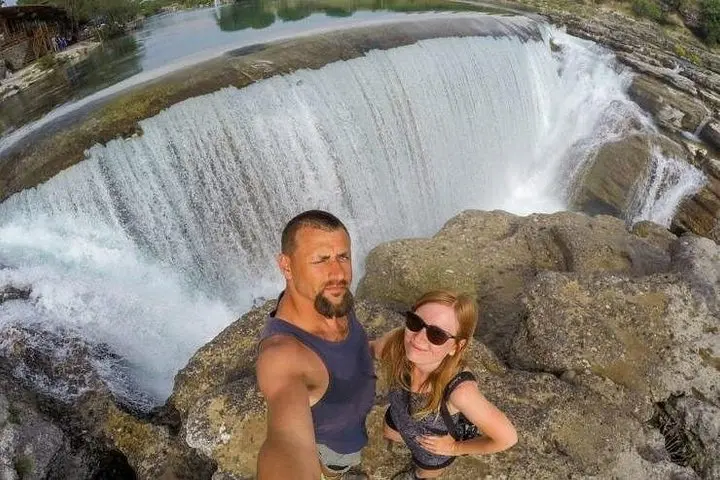
You start on a cool morning in Podgorica, sliding into an air-conditioned minivan as the plain unfurls toward the border. Roadside vineyards and karst ridges blur past until the Cijevna river announces itself—a broad, braided fall locals call the "Niagara," where multiple streams spill over limestone ledges in a wide sheet of water that dares you to step closer.
Verified experiences and guided adventures in the surrounding area.
Operated by Mediterranean Journey · Podgorica, Podgorica
You start on a cool morning in Podgorica, sliding into an air-conditioned minivan as the plain unfurls toward the border. Roadside vineyards and karst ridges blur past until the Cijevna river announces itself—a broad, braided fall locals call the "Niagara," where multiple streams spill over limestone ledges in a wide sheet of water that dares you to step closer.
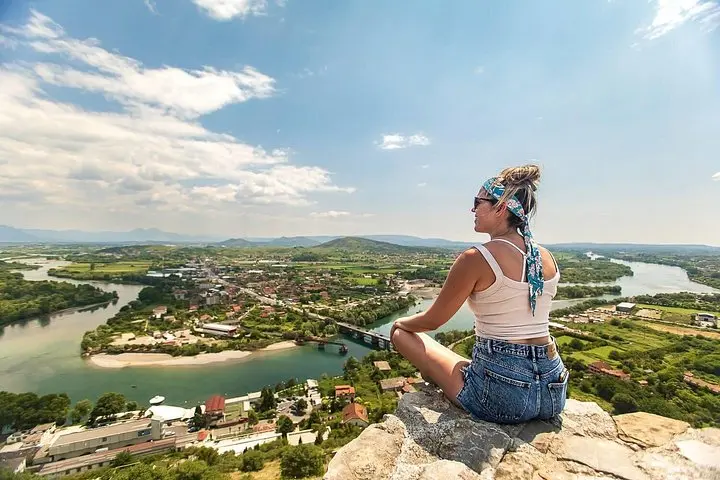
Crossing into Albania, the tour climbs to Rozafa Fortress, a stone citadel that commands the confluence of the Buna, Drin and Kir rivers. The fortress is an archaeological palimpsest: Illyrian foundations, Venetian walls and Ottoman repairs that together trace centuries of trade and conflict. Geologically, the area sits where the Dinaric Alps ease into Adriatic alluvial plain; rivers and lakes here are shaped by limestone terraces and seasonal snowmelt.
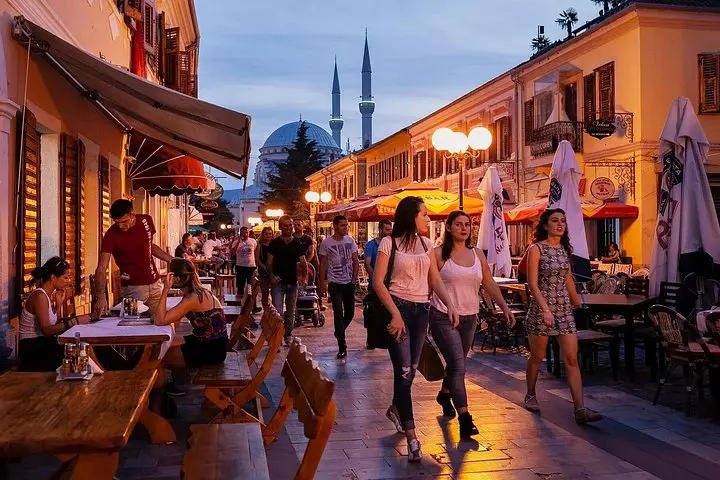
Shkodra itself is frank and human-scaled: mask workshops where papier-mâché becomes pageant, the Marubi photography museum, and mosques and cathedrals greeting one another across cobbled streets. The route finishes at Lake Skadar National Park—the Balkans’ largest lake—where reed beds and rocky islets host migratory birds and fishermen who have worked the shallows for generations.
Practical notes: the full-day itinerary runs about 6–9 hours, with short walks on uneven stone at the fortress and light hiking to viewpoints. Bring passport and small change (Montenegro uses euro; Albania uses lek but euros are often accepted), sturdy shoes for cobbles, sun protection and a refillable bottle. If you plan to swim at the eco-resort, pack a quick-dry towel; timing your trip for morning or late afternoon avoids the hottest sun and gives better light for photos.
Yes — the route crosses from Montenegro into Albania; travelers must carry a valid passport and any required visas.
Yes — the itinerary includes a stop at an eco-resort on the lake with opportunities to swim when conditions and timing permit.
The tour description lists Rozafa as an included stop; confirm with the operator whether fortress entrance fees are covered in your booking.
Guides commonly speak English and regional languages; check the listing or ask the operator for specific language needs before booking.
Mediterranean Journey operates guided outdoor trips and adventures with an emphasis on safety, stewardship, and memorable experiences.

You start on a cool morning in Podgorica, sliding into an air-conditioned minivan as the plain unfurls toward the border. Roadside vineyards and karst ridges blur past until the Cijevna river announces itself—a broad, braided fall locals call the "Niagara," where multiple streams spill over limestone ledges in a wide sheet of water that dares you to step closer.
You start on a cool morning in Podgorica, sliding into an air-conditioned minivan as the plain unfurls toward the border. Roadside vineyards and karst ridges blur past until the Cijevna river announces itself—a broad, braided fall locals call the "Niagara," where multiple streams spill over limestone ledges in a wide sheet of water that dares you to step closer.
Crossing into Albania, the tour climbs to Rozafa Fortress, a stone citadel that commands the confluence of the Buna, Drin and Kir rivers. The fortress is an archaeological palimpsest: Illyrian foundations, Venetian walls and Ottoman repairs that together trace centuries of trade and conflict. Geologically, the area sits where the Dinaric Alps ease into Adriatic alluvial plain; rivers and lakes here are shaped by limestone terraces and seasonal snowmelt.
Shkodra itself is frank and human-scaled: mask workshops where papier-mâché becomes pageant, the Marubi photography museum, and mosques and cathedrals greeting one another across cobbled streets. The route finishes at Lake Skadar National Park—the Balkans’ largest lake—where reed beds and rocky islets host migratory birds and fishermen who have worked the shallows for generations.
Practical notes: the full-day itinerary runs about 6–9 hours, with short walks on uneven stone at the fortress and light hiking to viewpoints. Bring passport and small change (Montenegro uses euro; Albania uses lek but euros are often accepted), sturdy shoes for cobbles, sun protection and a refillable bottle. If you plan to swim at the eco-resort, pack a quick-dry towel; timing your trip for morning or late afternoon avoids the hottest sun and gives better light for photos.