THE ADVENTURE COLLECTIVE® · Independent discovery and booking for outdoor travel

Travel from Kathmandu to Pokhara for a compact 2-night, 3-day city tour that combines Fewa Lake boating, Davis Fall and Gupteshwor Cave, and a short hike to the Peace Stupa. Ideal for travelers seeking a quick mix of lakeside scenery and easy cultural sites.
Travel from Kathmandu to Pokhara for a compact 2-night, 3-day city tour that combines Fewa Lake boating, Davis Fall and Gupteshwor Cave, and a short hike to the Peace Stupa. Ideal for travelers seeking a quick mix of lakeside scenery and easy cultural sites.
Morning light slices across Fewa Lake and the Annapurna southern faces stand like a shifting wall of stone — that’s your first impression arriving in Pokhara after the long road from Kathmandu. The city spreads along the lake’s edge, a mix of low-rise hotels, boat jostle, and pilgrims threading through cave shrines.
Verified experiences and guided adventures in the surrounding area.
Operated by Adventure Vision Treks and Travels · Pokhara, Gandaki Province
Morning light slices across Fewa Lake and the Annapurna southern faces stand like a shifting wall of stone — that’s your first impression arriving in Pokhara after the long road from Kathmandu. The city spreads along the lake’s edge, a mix of low-rise hotels, boat jostle, and pilgrims threading through cave shrines.
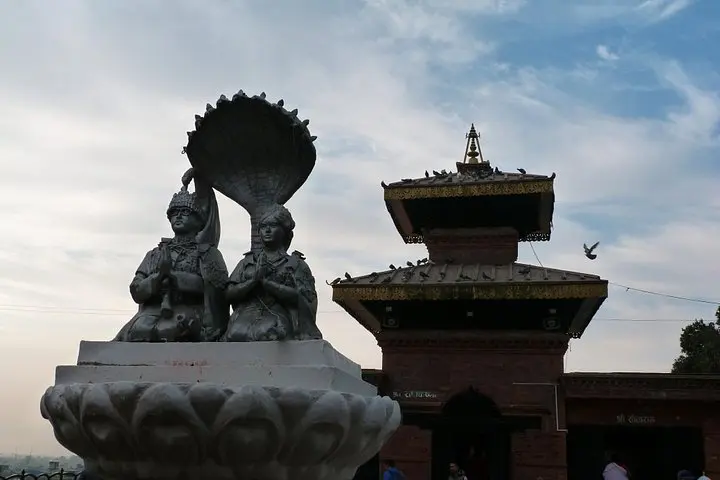
Pokhara sits at about 827 m on the leeward flank of the Annapurna range; historically it was a trading and caravan stop between the mountains and the Terai lowlands. Geologically the valley collects glacial runoff and monsoon rivers, which feed features like Davis Fall — water that dives underground into a narrow chasm — and the karst-formed Gupteshwor Cave nearby. Culturally the lakeside is pragmatic and pilgrimage-driven: temples, boatmen, and the Peace (World) Stupa testify to both everyday life and spiritual routines.
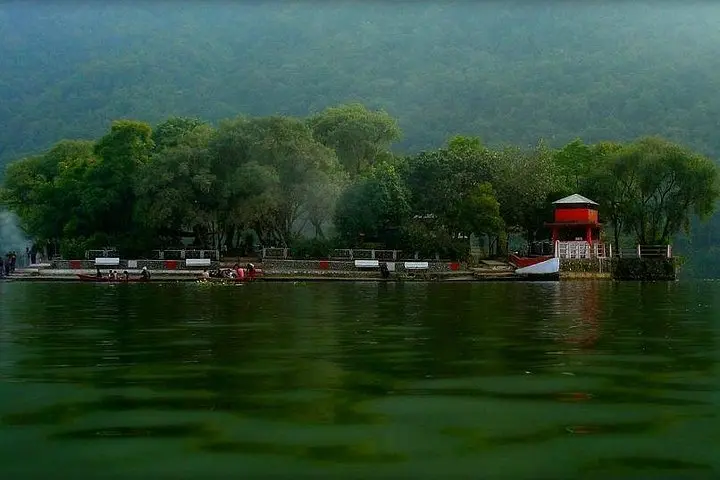
Over two nights you’ll split time between easy, walkable sightseeing in Lakeside, a short uphill hike to the Peace Stupa for sunrise or sunset, a boat on Fewa, and visits to Davis Fall, Tal Barahi island temple, and caves. Expect paved streets, brief steep steps to viewpoints, and possible crowds at key sites.
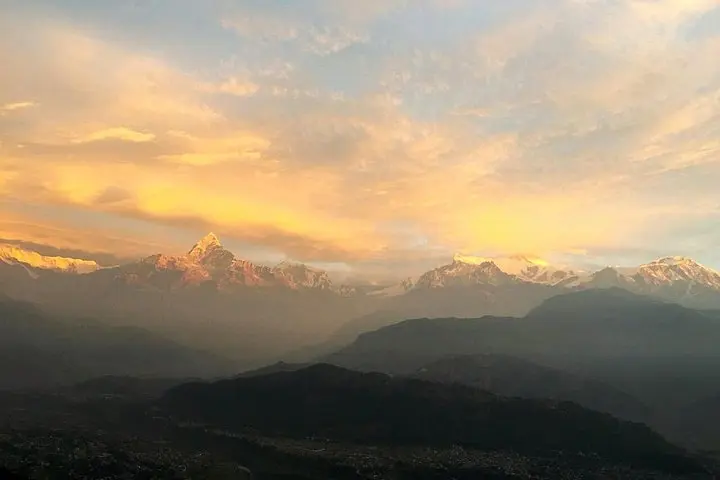
Practical guidance: take an early bus (6–8 hours from Kathmandu by tourist coach), carry local cash for entrance and boats, and plan sunrise at the Stupa for the clearest mountain vistas. Comfortable walking shoes, sun protection, and a light rain jacket cover most conditions. Respect temple etiquette, avoid single-use plastics where possible, and leave extra time for scenic stops on the road back to Kathmandu.
Tourist buses typically take 6–8 hours depending on traffic and stops; private transfers are faster but costlier.
This package includes breakfast at the Pokhara hotel; other meals and temple or boat fees are usually paid locally by travelers.
Yes—clear mornings and late afternoons offer the best visibility; clouds often build midday during warmer months.
Yes, the itinerary is rated easy and suitable for most ages, though travelers with serious spinal issues or pregnancy should avoid it as advised in booking notes.
Adventure Vision Treks and Travels operates guided outdoor trips and adventures with an emphasis on safety, stewardship, and memorable experiences.
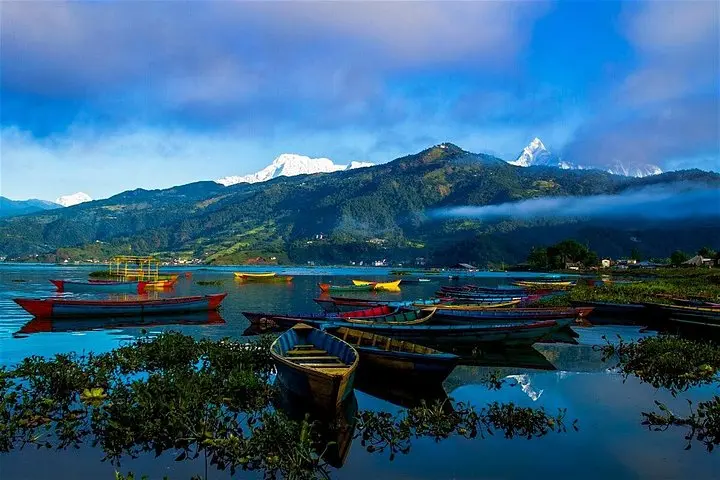
Morning light slices across Fewa Lake and the Annapurna southern faces stand like a shifting wall of stone — that’s your first impression arriving in Pokhara after the long road from Kathmandu. The city spreads along the lake’s edge, a mix of low-rise hotels, boat jostle, and pilgrims threading through cave shrines.
Morning light slices across Fewa Lake and the Annapurna southern faces stand like a shifting wall of stone — that’s your first impression arriving in Pokhara after the long road from Kathmandu. The city spreads along the lake’s edge, a mix of low-rise hotels, boat jostle, and pilgrims threading through cave shrines.
Pokhara sits at about 827 m on the leeward flank of the Annapurna range; historically it was a trading and caravan stop between the mountains and the Terai lowlands. Geologically the valley collects glacial runoff and monsoon rivers, which feed features like Davis Fall — water that dives underground into a narrow chasm — and the karst-formed Gupteshwor Cave nearby. Culturally the lakeside is pragmatic and pilgrimage-driven: temples, boatmen, and the Peace (World) Stupa testify to both everyday life and spiritual routines.
Over two nights you’ll split time between easy, walkable sightseeing in Lakeside, a short uphill hike to the Peace Stupa for sunrise or sunset, a boat on Fewa, and visits to Davis Fall, Tal Barahi island temple, and caves. Expect paved streets, brief steep steps to viewpoints, and possible crowds at key sites.
Practical guidance: take an early bus (6–8 hours from Kathmandu by tourist coach), carry local cash for entrance and boats, and plan sunrise at the Stupa for the clearest mountain vistas. Comfortable walking shoes, sun protection, and a light rain jacket cover most conditions. Respect temple etiquette, avoid single-use plastics where possible, and leave extra time for scenic stops on the road back to Kathmandu.