THE ADVENTURE COLLECTIVE® · Independent discovery and booking for outdoor travel

A compact 7-day trek from Pokhara to Annapurna Base Camp, this itinerary threads rhododendron forests and steep stone steps up into an alpine cirque at 4,130m. Expect tea-house stays, local Gurung culture, required ACAP/TIMS permits, and big Himalayan panoramas.
A compact 7-day trek from Pokhara to Annapurna Base Camp, this itinerary threads rhododendron forests and steep stone steps up into an alpine cirque at 4,130m. Expect tea-house stays, local Gurung culture, required ACAP/TIMS permits, and big Himalayan panoramas.
Dawn in Pokhara spills cool light across Phewa Lake before a bumpy drive to Siwar and the first stone steps. The trail climbs quickly through pine and rhododendron, shepherding you into a bowl of peaks where Annapurna I and Machapuchare peer like watchful neighbors. On clear days the sanctuary opens suddenly — a sweep of moraine, layered snowfields and the ragged, glinting ridges of the Annapurna massif.
Verified experiences and guided adventures in the surrounding area.
Operated by Nepal Alibaba Treks & Tours Pvt. Ltd · Pokhara, Gandaki Province
Dawn in Pokhara spills cool light across Phewa Lake before a bumpy drive to Siwar and the first stone steps. The trail climbs quickly through pine and rhododendron, shepherding you into a bowl of peaks where Annapurna I and Machapuchare peer like watchful neighbors. On clear days the sanctuary opens suddenly — a sweep of moraine, layered snowfields and the ragged, glinting ridges of the Annapurna massif.
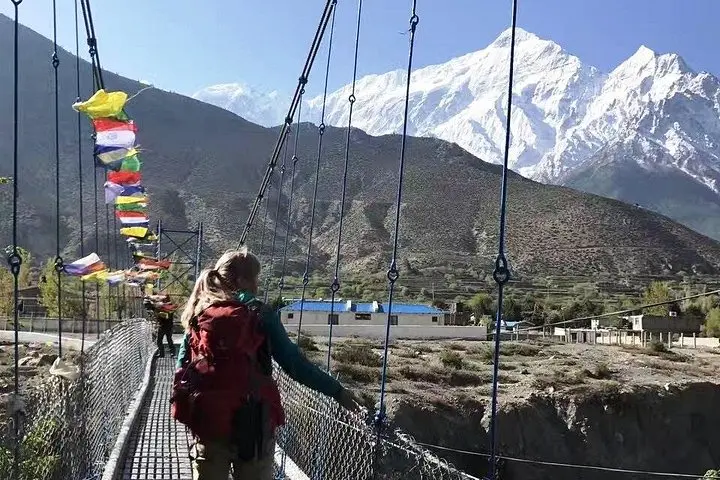
This route follows centuries-old trade and pastoral corridors used by Gurung communities; modern conservation began with the Annapurna Conservation Area (ACAP) to balance tourism and local livelihoods. Geologically the sanctuary is a high-altitude amphitheater carved by glaciers, with steep talus slopes and exposed metamorphic rock above tree line. Expect cultural touches in villages: stone houses, prayer flags, and traditional Gurung hospitality in tea houses.
Practically, the standard 7-day itinerary moves from Pokhara (820m) to Chhomrong (2,170m), Bamboo (2,310m), Deurali (3,230m) and Annapurna Base Camp (4,130m). Daily walking ranges 4–6 hours with sustained elevation gain — cumulative ascent is roughly 3,300m. Permits (ACAP and TIMS) are required; guides and porters (typically one porter per two trekkers) are standard. Accommodation is in simple tea houses with three meals available; carry a warm down jacket for alpine nights and a water treatment system. Pace your ascent to reduce altitude effects, hydrate, and plan for changeable weather. The route is accessible to fit hikers with steady uphill experience; it rewards persistence with unparalleled close-up mountain scenery and a living cultural landscape.
Yes — you need an ACAP permit and a TIMS card; guides or agencies typically arrange them before or at the trailhead.
The trek is challenging mainly due to sustained elevation gain to 4,130m; acclimatization and fitness are important to reduce acute mountain sickness risk.
Tea houses provide basic dorm or private rooms, three meals a day are available on the trek, and menus often include dal bhat, noodles, and soups — bring snacks for energy.
Spring (March–May) and autumn (September–November) offer the most stable weather and clear views; winter brings cold and some snow, while summer monsoon increases rain and cloud cover.
Nepal Alibaba Treks & Tours Pvt. Ltd operates guided outdoor trips and adventures with an emphasis on safety, stewardship, and memorable experiences.
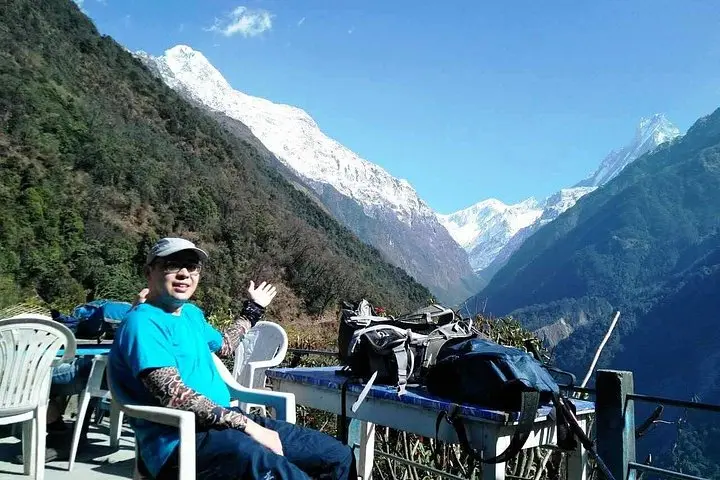
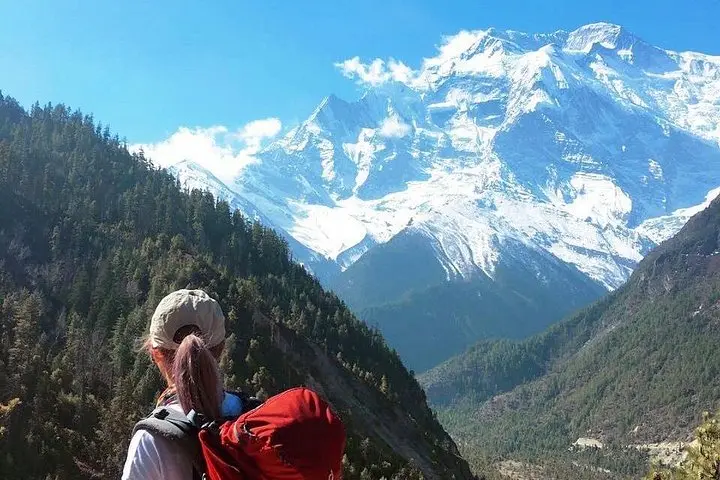
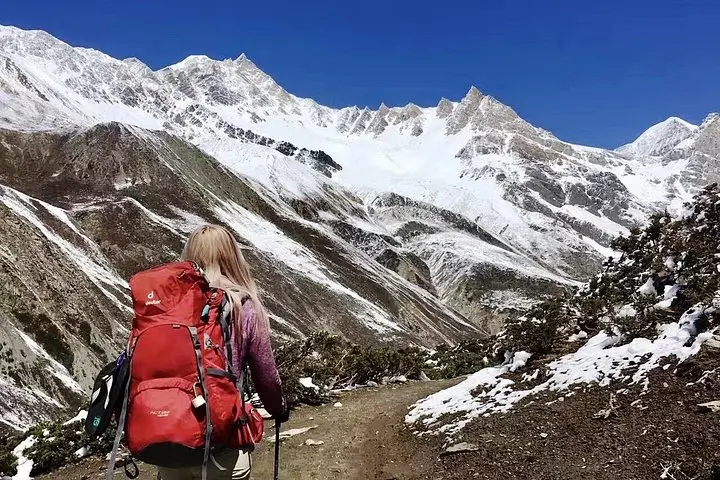
Dawn in Pokhara spills cool light across Phewa Lake before a bumpy drive to Siwar and the first stone steps. The trail climbs quickly through pine and rhododendron, shepherding you into a bowl of peaks where Annapurna I and Machapuchare peer like watchful neighbors. On clear days the sanctuary opens suddenly — a sweep of moraine, layered snowfields and the ragged, glinting ridges of the Annapurna massif.
Dawn in Pokhara spills cool light across Phewa Lake before a bumpy drive to Siwar and the first stone steps. The trail climbs quickly through pine and rhododendron, shepherding you into a bowl of peaks where Annapurna I and Machapuchare peer like watchful neighbors. On clear days the sanctuary opens suddenly — a sweep of moraine, layered snowfields and the ragged, glinting ridges of the Annapurna massif.
This route follows centuries-old trade and pastoral corridors used by Gurung communities; modern conservation began with the Annapurna Conservation Area (ACAP) to balance tourism and local livelihoods. Geologically the sanctuary is a high-altitude amphitheater carved by glaciers, with steep talus slopes and exposed metamorphic rock above tree line. Expect cultural touches in villages: stone houses, prayer flags, and traditional Gurung hospitality in tea houses.
Practically, the standard 7-day itinerary moves from Pokhara (820m) to Chhomrong (2,170m), Bamboo (2,310m), Deurali (3,230m) and Annapurna Base Camp (4,130m). Daily walking ranges 4–6 hours with sustained elevation gain — cumulative ascent is roughly 3,300m. Permits (ACAP and TIMS) are required; guides and porters (typically one porter per two trekkers) are standard. Accommodation is in simple tea houses with three meals available; carry a warm down jacket for alpine nights and a water treatment system. Pace your ascent to reduce altitude effects, hydrate, and plan for changeable weather. The route is accessible to fit hikers with steady uphill experience; it rewards persistence with unparalleled close-up mountain scenery and a living cultural landscape.