THE ADVENTURE COLLECTIVE® · Independent discovery and booking for outdoor travel

A single-day, easy hike from Lakeside Pokhara to World Peace Stupa and Pumdikot that delivers sweeping Annapurna and Dhaulagiri views, village encounters, and lakeshore walking—all without technical climbing.
A single-day, easy hike from Lakeside Pokhara to World Peace Stupa and Pumdikot that delivers sweeping Annapurna and Dhaulagiri views, village encounters, and lakeshore walking—all without technical climbing.
Morning light slants across Phewa Lake as trekkers step from Lakeside into cool mountain air, the city slipping behind them while the ridgeline ahead promises wide, snow-capped panoramas. The route climbs from the dam-side trail up to Pokhara’s World Peace Stupa, then follows ridgelines and mellow village paths to the hilltop shrine at Pumdikot. Along the way, the Annapurna and Dhaulagiri crowns unfurl across the northern horizon, their limestone faces and glacial shoulders catching the sun.
Verified experiences and guided adventures in the surrounding area.
Operated by Worldwide Tourism Inc - Highly Recommended Travel Company · Pokhara, Gandaki Province
Morning light slants across Phewa Lake as trekkers step from Lakeside into cool mountain air, the city slipping behind them while the ridgeline ahead promises wide, snow-capped panoramas. The route climbs from the dam-side trail up to Pokhara’s World Peace Stupa, then follows ridgelines and mellow village paths to the hilltop shrine at Pumdikot. Along the way, the Annapurna and Dhaulagiri crowns unfurl across the northern horizon, their limestone faces and glacial shoulders catching the sun.
The Peace Stupa was built in the late 20th century by Buddhist volunteers as a place of reflection and a high vantage to view the Himalayan arc. Geologically, the view emphasizes the collision zone of the Indian and Eurasian plates: steep valleys, terraced slopes, and moraine-fed streams that feed Phewa’s clear basin. Culturally, hikers pass small Hindu and Buddhist shrines—local villagers maintain these sites and morning rituals often color the trail with incense and marigold offerings.
Practical guidance: expect 8–10 km of walking over mixed dirt tracks, stone steps and compact village lanes with roughly 250–400 m cumulative ascent. The trail is well-marked in places but mixed-use—walkers, pilgrims and motos—so steady footing is essential. Start early for stable weather and light, carry 1–2 liters of water, and allow 8–9 hours including transfers and stops for photos and village cafés. Respect temple protocol at the Shiva idol in Pumdikot: modest dress and quiet are appreciated. With minimal technical challenge, this day hike delivers big Himalayan views and close encounters with Pokhara’s lakefront life.
This is rated easy—no technical climbing—but requires several hours of steady walking on mixed terrain; beginners should move at a comfortable pace and take breaks.
Yes—the tour typically includes hotel pickup in Lakeside, a short transfer to the trailhead and return to your hotel after the hike.
Clear mountain views are most reliable October–December and March–April; monsoon (June–September) brings heavy rain and reduced visibility.
Small tea houses and village stalls appear along the lakeshore and near Pumdikot; public restrooms are basic—carry toilet paper and hand sanitizer.
Worldwide Tourism Inc - Highly Recommended Travel Company operates guided outdoor trips and adventures with an emphasis on safety, stewardship, and memorable experiences.
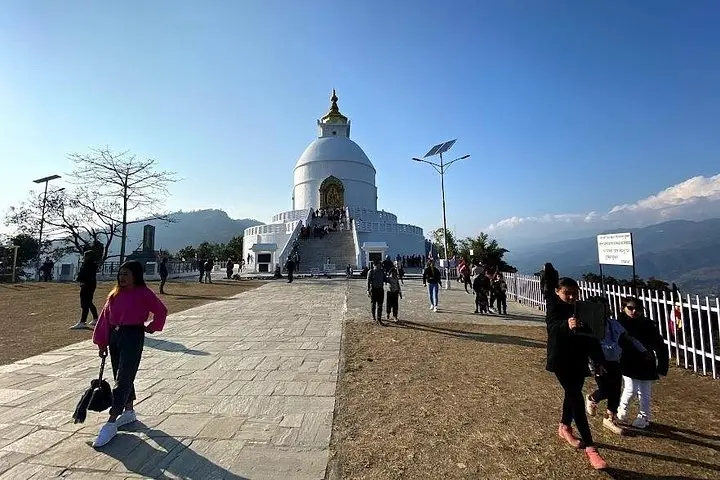
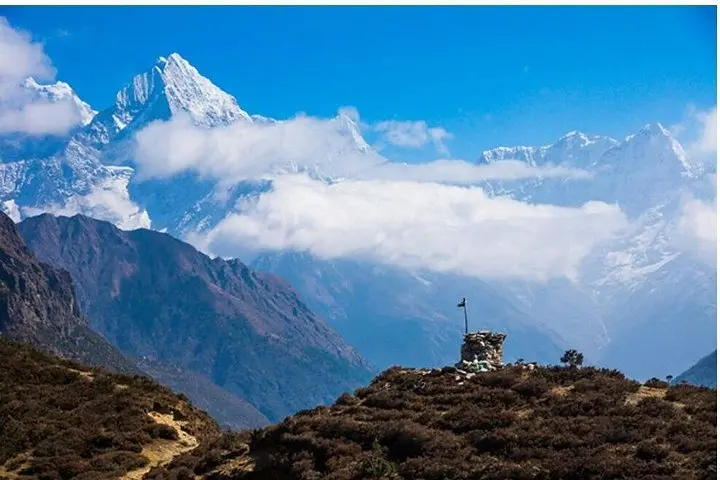
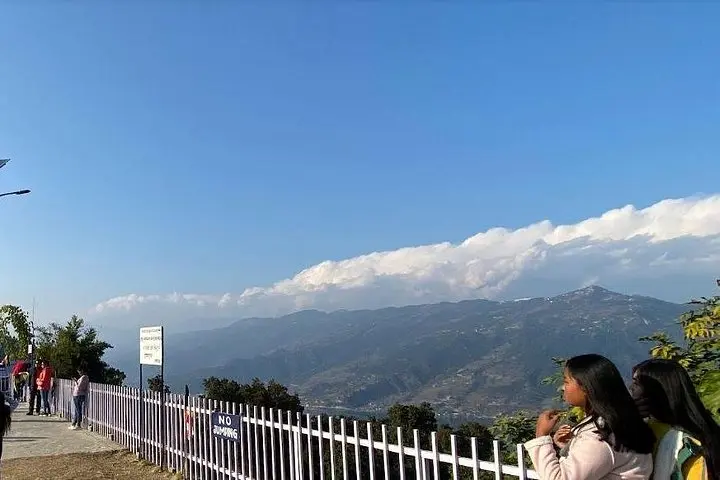

Morning light slants across Phewa Lake as trekkers step from Lakeside into cool mountain air, the city slipping behind them while the ridgeline ahead promises wide, snow-capped panoramas. The route climbs from the dam-side trail up to Pokhara’s World Peace Stupa, then follows ridgelines and mellow village paths to the hilltop shrine at Pumdikot. Along the way, the Annapurna and Dhaulagiri crowns unfurl across the northern horizon, their limestone faces and glacial shoulders catching the sun.
Morning light slants across Phewa Lake as trekkers step from Lakeside into cool mountain air, the city slipping behind them while the ridgeline ahead promises wide, snow-capped panoramas. The route climbs from the dam-side trail up to Pokhara’s World Peace Stupa, then follows ridgelines and mellow village paths to the hilltop shrine at Pumdikot. Along the way, the Annapurna and Dhaulagiri crowns unfurl across the northern horizon, their limestone faces and glacial shoulders catching the sun.
The Peace Stupa was built in the late 20th century by Buddhist volunteers as a place of reflection and a high vantage to view the Himalayan arc. Geologically, the view emphasizes the collision zone of the Indian and Eurasian plates: steep valleys, terraced slopes, and moraine-fed streams that feed Phewa’s clear basin. Culturally, hikers pass small Hindu and Buddhist shrines—local villagers maintain these sites and morning rituals often color the trail with incense and marigold offerings.
Practical guidance: expect 8–10 km of walking over mixed dirt tracks, stone steps and compact village lanes with roughly 250–400 m cumulative ascent. The trail is well-marked in places but mixed-use—walkers, pilgrims and motos—so steady footing is essential. Start early for stable weather and light, carry 1–2 liters of water, and allow 8–9 hours including transfers and stops for photos and village cafés. Respect temple protocol at the Shiva idol in Pumdikot: modest dress and quiet are appreciated. With minimal technical challenge, this day hike delivers big Himalayan views and close encounters with Pokhara’s lakefront life.