THE ADVENTURE COLLECTIVE® · Independent discovery and booking for outdoor travel

Explore Pokhara in a single day: sunrise views from Santi Stupa, the subterranean drama of Devi's Falls and Gupteshwor Cave, the International Mountain Museum, and a tranquil boat ride on Phewa Lake. This compact tour blends mountain culture, geology and lakeside calm with private transport and hotel pickup.
Explore Pokhara in a single day: sunrise views from Santi Stupa, the subterranean drama of Devi's Falls and Gupteshwor Cave, the International Mountain Museum, and a tranquil boat ride on Phewa Lake. This compact tour blends mountain culture, geology and lakeside calm with private transport and hotel pickup.
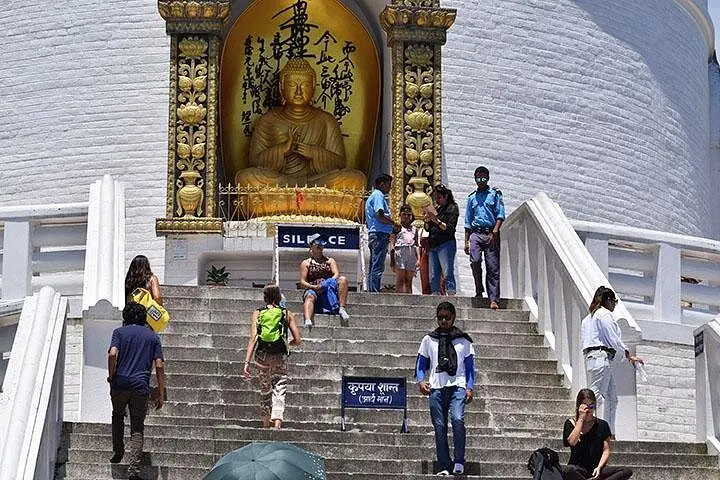
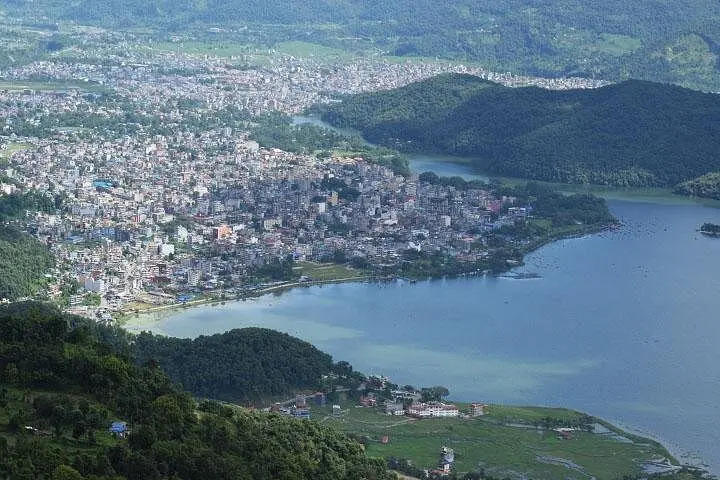
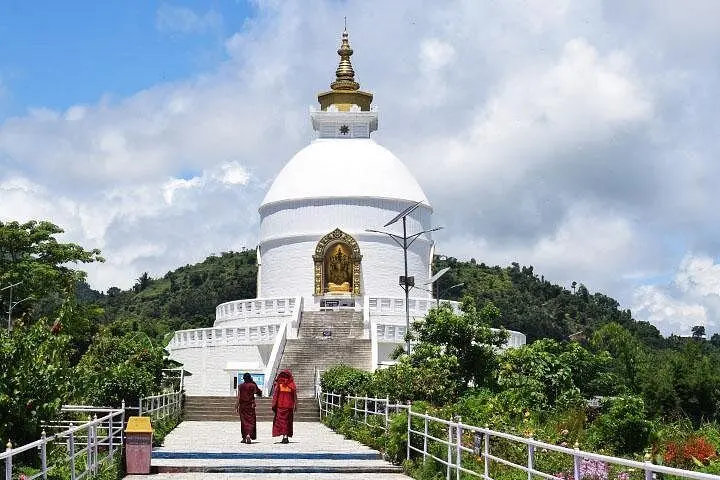
A low morning sun slants across Phewa Lake, pushing silver light toward the wooden boats. The tour begins at the rim of Anadu Hill where Santi Stupa watches over Pokhara—pagoda roofs and prayer flags framing a sweep of city, lake and the Annapurna range beyond. The air tastes faintly of incense and lake water.
Verified experiences and guided adventures in the surrounding area.
Operated by Himalayan Planet Adventures · Pokhara, Gandaki Province
A low morning sun slants across Phewa Lake, pushing silver light toward the wooden boats. The tour begins at the rim of Anadu Hill where Santi Stupa watches over Pokhara—pagoda roofs and prayer flags framing a sweep of city, lake and the Annapurna range beyond. The air tastes faintly of incense and lake water.
The route threads cultural and geological contrasts: a modern peace stupa built by Japanese monks, an underground cascade at Devi’s Falls where the Seti River dares the valley and drops out of sight, and Gupteshwor Mahadev Cave, damp and echoing with the slow drip of limestone. The International Mountain Museum shifts focus—exhibits on mountaineering, local ethnic groups and alpine ecology underline why Pokhara is the gateway to the Annapurnas.
Phewa Lake finishes the day with a simple cadence: rowing, a small island temple, and lakeside stalls. Expect paved walkways at popular sites, short uphill approaches (some slippery stone steps into the cave), and a mix of city energy and mountain calm. Local culture is visible in temples, souvenir stalls, and kitchens serving dal bhat and momos.
Practical note: this is an 8-hour, mostly easy day with private transport and hotel pickup; wear grippy shoes for the cave, bring sun protection and a light rain layer during monsoon, and carry cash for small purchases. Guides usually handle entry fees and ferry arrangements, making this a compact introduction to Pokhara’s geology, culture and lakeside rhythm.
This is an approximately 8‑hour private tour that typically includes hotel pickup/drop-off, entry fees, a local guide, visits to Santi Stupa, Devi’s Falls, Gupteshwor Cave, the International Mountain Museum and a boat ride on Phewa Lake.
The cave has paved paths and lighting but is damp and has stairs; it’s generally suitable for children and older travelers who can navigate slippery sections but not recommended for those with serious mobility issues or spinal problems.
Yes—on clear days Santi Stupa and lakeside viewpoints provide striking views of the Annapurna range and Machapuchare, though visibility depends on season and weather.
Most private tours include standard entry fees and the short boat ride on Phewa Lake; confirm with the operator at booking for any optional extras.
Himalayan Planet Adventures operates guided outdoor trips and adventures with an emphasis on safety, stewardship, and memorable experiences.
A low morning sun slants across Phewa Lake, pushing silver light toward the wooden boats. The tour begins at the rim of Anadu Hill where Santi Stupa watches over Pokhara—pagoda roofs and prayer flags framing a sweep of city, lake and the Annapurna range beyond. The air tastes faintly of incense and lake water.
A low morning sun slants across Phewa Lake, pushing silver light toward the wooden boats. The tour begins at the rim of Anadu Hill where Santi Stupa watches over Pokhara—pagoda roofs and prayer flags framing a sweep of city, lake and the Annapurna range beyond. The air tastes faintly of incense and lake water.
The route threads cultural and geological contrasts: a modern peace stupa built by Japanese monks, an underground cascade at Devi’s Falls where the Seti River dares the valley and drops out of sight, and Gupteshwor Mahadev Cave, damp and echoing with the slow drip of limestone. The International Mountain Museum shifts focus—exhibits on mountaineering, local ethnic groups and alpine ecology underline why Pokhara is the gateway to the Annapurnas.
Phewa Lake finishes the day with a simple cadence: rowing, a small island temple, and lakeside stalls. Expect paved walkways at popular sites, short uphill approaches (some slippery stone steps into the cave), and a mix of city energy and mountain calm. Local culture is visible in temples, souvenir stalls, and kitchens serving dal bhat and momos.
Practical note: this is an 8-hour, mostly easy day with private transport and hotel pickup; wear grippy shoes for the cave, bring sun protection and a light rain layer during monsoon, and carry cash for small purchases. Guides usually handle entry fees and ferry arrangements, making this a compact introduction to Pokhara’s geology, culture and lakeside rhythm.